
Lieferung heute & morgen

Qualitätsgarantie

Willkommens-Angebote freischalten: KOSTENLOSE Lieferung | Bis zu 80 % RABATT | Kostenlose 30-Tage-JoyPlus-Testphase
App herunterladen
Face masks differ in more than just their packaging and fragrance. The product format, wear time, ingredients, hygiene and whether the mask suits your skin condition are all important considerations. Korean face masks and Japanese face masks offer a wide choice, from compact sheet masks to hydrogel and clay masks.
If you focus solely on terms such as “glow”, “pore refining” or “anti-ageing”, it is easy to overlook important details. You can make a more suitable choice by deciding on your skincare goal and how you plan to use the mask before buying.
Terms such as collagen face mask, “firming” or “pore-refining mask” often describe the intended skincare focus rather than a lasting, proven effect. Collagen, niacinamide, hyaluronic acid or rice extracts may be included in the formulation. However, how your skin feels and looks also depends on your skin type, routine and how you use the product.
You should therefore check the INCI list, the recommended wear time and the manufacturer’s instructions. Claims about clinical results should be understood solely as information provided by the manufacturer, for example: “According to a clinical study by [brand] …”. Such claims are not a substitute for dermatological advice.
Many face sheet masks are recommended for around 10 to 20 minutes. A hydrogel mask may be left on the skin for considerably longer. However, if a traditional sheet mask dries out completely, it can feel uncomfortable and place additional stress on the skin.
The instructions on the packaging are what matter. A face moisturising mask should be removed after the specified time. Any residue can be gently patted into the skin and then sealed in with a cream or lotion.
Individual sachets protect each mask from drying out and contamination. Multipacks containing 30 sheets are practical for regular users, but require careful handling. Hands and any included tweezers should be clean, and the lid must be closed fully after removing a mask.
For open jars or resealable pouches, pay attention to the expiry date, batch number and period after opening. These details may vary from one product to another.
Face sheet masks are usually quick and easy to use. The fit, amount of serum and how well the mask adheres around the nose, chin and cheeks are all important. A thicker or particularly absorbent sheet may hold more liquid, but it will not fit every face equally well.
A hydrogel mask often sits closely against the skin and may offer a longer wear time, depending on the product. Check whether it is intended to be worn for 30 to 40 minutes or several hours. Follow the manufacturer’s instructions particularly carefully for overnight products.
A face clay mask containing kaolin or bentonite is usually applied and then washed off. It is more suited to a clarifying routine than to daily moisturising care. If you have dry skin, you can limit application to the T-zone.
A high concentration of a promoted ingredient is not the only measure of quality. The complete formulation is what matters. In particular, check:
Before using the product for the first time, it may be sensible to carry out a small patch test. Stop using the product if you experience burning, swelling, itching or persistent redness.
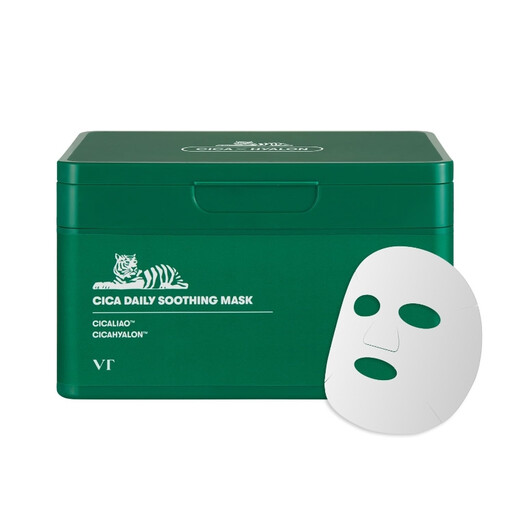
Why this product suits the profile: The 30 sheet masks are designed for regular use. The manufacturer’s stated wear time is 10 to 20 minutes.
The clearly stated quantity and hygienic dispenser make it easier to use the right number of masks and reduce unnecessary long-term storage of individual sheets.
Centella asiatica, panthenol and sodium hyaluronate are listed in the stated ingredients; the sheet is 0.2 mm thick.
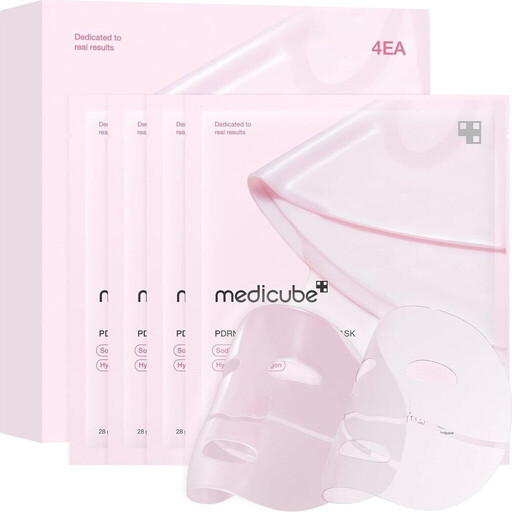
Why this product suits the profile: The hydrogel format is designed for longer use of 30 to 40 minutes and adheres closely to the skin.
The specified wear time helps prevent the mask from accidentally being used like a short-wear sheet mask.
The ingredients list includes PDRN, hydrolysed collagen, niacinamide, adenosine and ceramides NP.
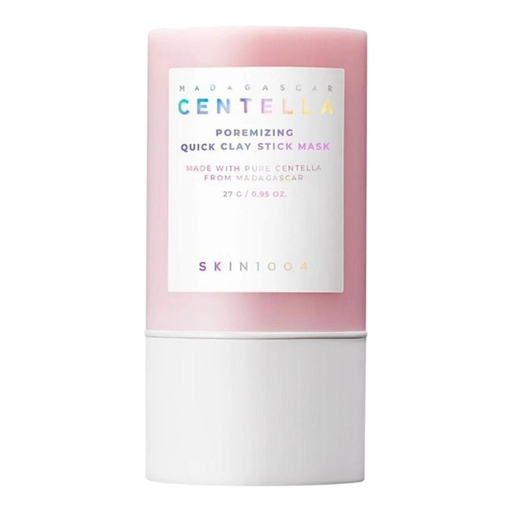
Why this product suits the profile: The stick format is ideal for targeted application to the T-zone or individual areas and is intended for use once or twice a week.
Targeted application can help prevent dry areas of the face from being treated with clay unnecessarily.
According to the stated ingredients list, it contains 8 per cent kaolin, bentonite and Centella asiatica extract; the packaging is a stick.
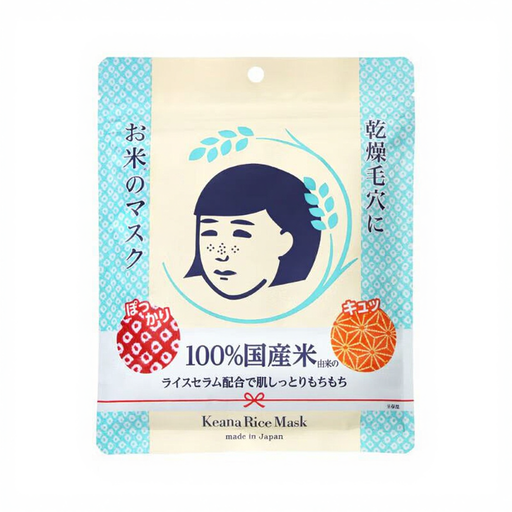
Why this product suits the profile: The pack contains 10 sheet masks, while the recommended wear time of 5 to 10 minutes is easy to incorporate into your skincare routine.
The short wear time and clear instructions to use it after cleansing help prevent leaving the mask on for too long.
The formulation lists rice ferment filtrate, rice bran oil and ceramides; the sheet is described as thick and adhering well.
We have put together a complete, regularly updated list of products that fully meet these strict selection criteria and the safety regulations applicable in the EU.
Face masks are generally applied after cleansing. With sheet and hydrogel masks, the skin should be free from make-up and heavy residue. After removing the mask, pat the remaining essence into the skin unless the product instructions state otherwise.
For face clay masks, avoid the eye and mouth area, do not use on injured or irritated skin, and rinse off thoroughly with lukewarm water. Many clay masks are intended for use once or twice a week. Sheet masks may be used more frequently, depending on the formulation, but daily use is not a general rule.
This depends on the type of product. Hydrating sheet masks may be used several times a week, depending on the manufacturer’s instructions. Clay and peeling masks are generally intended for use once or twice a week. Your skin’s reaction and the product instructions are the deciding factors.
Individually packaged masks should be used immediately after opening. For multipacks, the printed expiry date and the stated period after opening are the key points to follow. The closure should be kept clean and closed fully so that the remaining sheets do not dry out.
There is no universal answer. Check the full ingredients list for fragrances, alcohol, essential oils and any known personal intolerances. Do not use a mask on irritated or damaged skin. If reactions keep recurring, it is advisable to seek dermatological advice.