
Lieferung heute & morgen

Qualitätsgarantie

Willkommens-Angebote freischalten: KOSTENLOSE Lieferung | Bis zu 80 % RABATT | Kostenlose 30-Tage-JoyPlus-Testphase
App herunterladen
Face masks are a regular part of many K-beauty and J-beauty fans’ skincare routines. Even so, not every mask makes it onto the skin regularly. Common reasons include a sheet that does not fit properly, a clay mask that feels uncomfortably drying, or an ingredient list that does not suit your skin type.
To make sure your choice is not based solely on packaging and advertising claims, it is worth looking at three typical purchasing pitfalls:
Sheet masks, also known as tissue masks, are soaked in a liquid essence and are usually removed after 5 to 30 minutes. They are particularly suitable for a quick hydrating or soothing routine. A hydrating face mask often contains glycerin, hyaluronic acid or other humectants.
Clay masks containing kaolin, bentonite or marine minerals are applied and then washed off. They can absorb excess sebum and surface impurities. For dry or sensitive skin, a short application time is advisable. A face mask for large pores should therefore do more than simply mention “pore care”; it should also suit your individual sebum production and skin barrier.
Consistency is crucial for a peel-off effect. If you are specifically looking for these types of products, you can find more options in the peel-off face masks category.
The INCI list should be checked before buying. For dry skin, glycerin, hyaluronic acid, ceramides or squalane are interesting ingredients, for example. A soothing face mask may contain Centella asiatica, panthenol, allantoin or liquorice-derived ingredients.
For blemish-prone or oily skin, salicylic acid, kaolin, bentonite or activated charcoal may be suitable, depending on your skin’s tolerance. Acid-based products should initially be tested on a small area of skin. Fragrances, alcohol and certain plant- or bee-derived ingredients may be important exclusions for some people.
If you are looking for an anti-ageing face mask, formulations with humectants, peptides, ceramides or collagen ingredients should be viewed primarily as supportive skincare. Claims about wrinkles, firming or the appearance of the skin refer to cosmetic appearance and should not be equated with a medical effect.
A sheet mask must leave enough space around the eyes, nose and mouth while fitting as closely as possible to the skin. Bio-cellulose or thin microfibres can flexibly follow the contours of the face. With multipacks, the packaging also matters: a resealable pouch protects the remaining masks from drying out.
The stated application time is not a minor detail. Missha, for example, specifies 15 to 20 minutes, while Keana Nadeshiko recommends a shorter application of 5 to 10 minutes. Clay masks are usually applied for just a few minutes and then rinsed off thoroughly. The specific manufacturer’s instructions should always take priority.
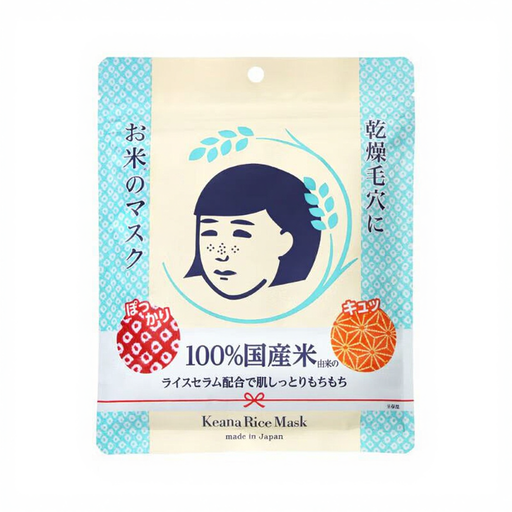
Why this product suits this profile: The resealable pack of ten sheet masks is suitable for regular use on dry, uneven-textured skin. The 5 to 10-minute application time fits easily into a short skincare routine.
The product details name specific rice-derived ingredients, including ferment filtrate, rice bran oil and ceramides, rather than making vague claims about pore care.
Japanese sheet mask in a pack of ten; thick sheet and rice-based skincare formulation.
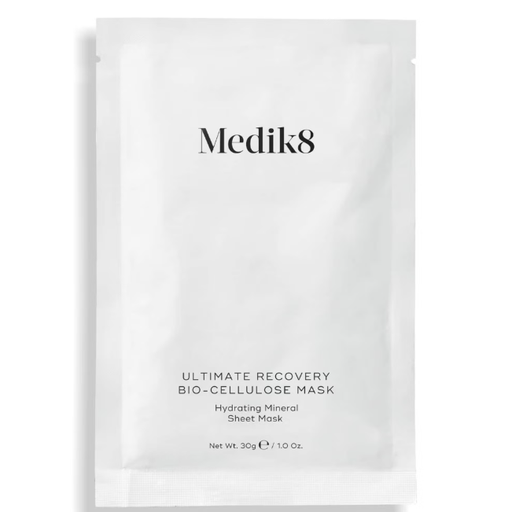
Why this product suits this profile: This ultra-thin bio-cellulose mask is worth considering if material, fit and a clearly listed formulation are important to you.
The product details clearly list the application time, ingredients and exclusions such as alcohol, parabens and artificial fragrances. Potentially allergenic plant ingredients should still be taken into consideration.
Bio-cellulose material; hyaluronic acid, fucoidan extract and Zinc PCA in the stated formulation.
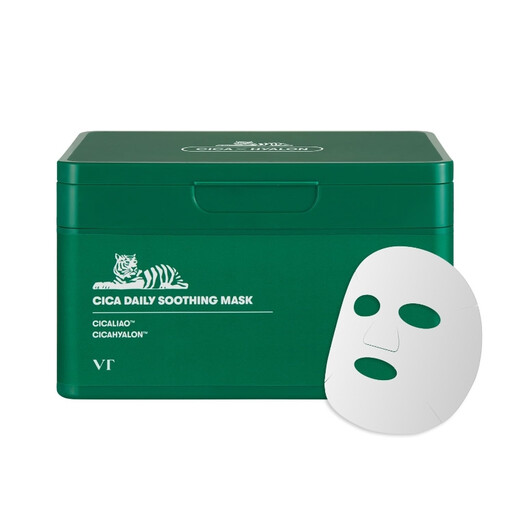
Why this product suits this profile: The dispenser containing 30 sheets is designed for frequent use and fits neatly into a short morning or evening routine.
The recommended application time is 10 to 20 minutes, and the sheets are removed using the included tweezers. This makes daily use easier to plan.
0.2-millimetre Nude-Seal sheet; Centella asiatica, panthenol and Sodium Hyaluronate in the ingredients list.
We have put together a complete, regularly updated list of products that fully meet these strict selection criteria and the safety regulations applicable in the EU.
Face masks should be applied to cleansed skin. With sheet masks, excess essence is usually gently patted in; rinsing is only necessary if the packaging says so. Clay and peel-off masks should be removed completely without vigorous rubbing on sensitive areas of skin.
For face masks for sensitive skin, a patch test is recommended. Do not use on damaged, inflamed or irritated skin. If redness, swelling, itching or burning occurs, stop using the product. The complete and up-to-date INCI list on the packaging is the authoritative source, as formulations may change.
This depends on the type of mask and your skin’s tolerance. Hydrating sheet masks can be used more frequently, depending on the manufacturer’s instructions. Clay masks are usually recommended once or twice a week. Acid-based or highly cleansing products should be used more sparingly.
Individual sheets should be used immediately after opening. With multipacks, the pouch must be sealed tightly. The best-before date, batch number and PAO symbol printed on the packaging are decisive for the product’s specific shelf life.
The country of origin alone says nothing about a product’s suitability. Korean face masks and Japanese face masks alike come in a wide variety of formulations. The decisive factors are the ingredients, fragrances, alcohol, acids, application time and your individual skin condition.