
Lieferung heute & morgen

Qualitätsgarantie

Willkommens-Angebote freischalten: KOSTENLOSE Lieferung | Bis zu 80 % RABATT | Kostenlose 30-Tage-JoyPlus-Testphase
App herunterladen
Face masks are part of many women’s and men’s regular skincare routines. However, Korean face masks, Japanese sheet masks, hydrogel masks and clay masks differ considerably in terms of application, wear time, feel on the skin and ingredients. If you are guided only by terms such as “glow”, “pore refinement” or “anti-ageing”, you can easily end up buying a product that does not suit your skin or daily routine.
Depending on the formula, a “moisturising mask” may primarily contain glycerine, hyaluronic acid, panthenol or various plant extracts. The term alone reveals little about the texture or skin compatibility. With a brightening face mask, it should also be clear whether it simply helps to support a fresher-looking complexion or additionally contains exfoliating or active ingredients.
Sheet masks are usually soaked in a liquid essence and removed after the stated time. Hydrogel masks often adhere more closely to the skin and can be worn for longer. Clay masks containing kaolin or bentonite absorb excess sebum, but may leave dry or sensitive skin feeling tight. A pore mask is therefore not automatically suitable for every skin type.
A single product is ideal for trying a mask for the first time. Multi-packs are more practical if you plan to use a mask regularly. If you are buying a large supply, take the shelf life after opening into account. Resealable packaging, individually wrapped sheet masks and a hygienic dispensing process may also be important in everyday use.
For intense hydration, glycerine, hyaluronic acid, betaine and panthenol are common ingredients, for example. A hyaluronic acid mask may contain different forms of this humectant. However, this does not automatically indicate a particular depth of penetration or a lasting effect.
For oily or combination skin, kaolin, bentonite, activated charcoal or salicylic acid may be of interest. No Problem Charcoal Mask contains kaolin, activated charcoal, calamine and salicylic acid, among other ingredients. If you have sensitive skin, a patch test is recommended before first use. Products containing salicylic acid should not be used on damaged or irritated skin.
A soothing face mask often contains Centella asiatica, madecassoside, allantoin or panthenol. Collagen, adenosine and niacinamide are found, among other products, in those marketed as a collagen mask or anti-ageing face mask. Cosmetic claims such as “smoother-looking skin” or “more radiance” refer to appearance and should not be confused with medical claims about efficacy.
Follow the wear time stated on the packaging. A sheet mask should not be left on until it has dried out completely. Wash your hands and cleanse your face before application. Avoid the eye and mouth area unless the product instructions state otherwise.
Look for a complete INCI list, net contents, country-of-origin information, best-before date or batch number, and details of the responsible person in the EU. Ingredients may change. The list on the packaging supplied with your order is therefore always the authoritative one.
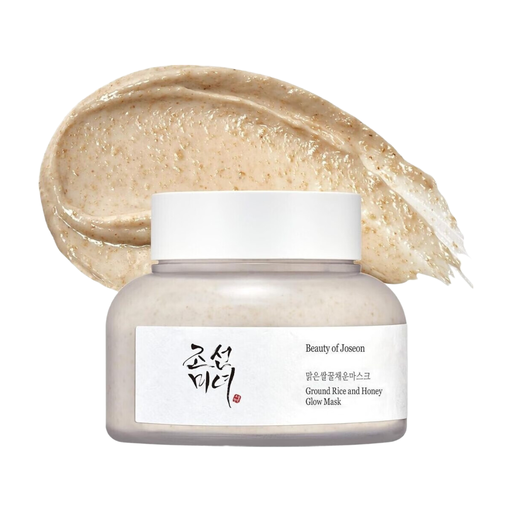
Why this product suits this profile: The 150-ml size is suitable for weekly, wash-off facial skincare with rice ingredients, honey and clay.
The product description clearly states the wear time and application: 15 to 20 minutes, followed by rinsing with warm water.
Wash-off cream formula, 150 ml contents, plus rice, rice powder, kaolin and honey in the INCI list.
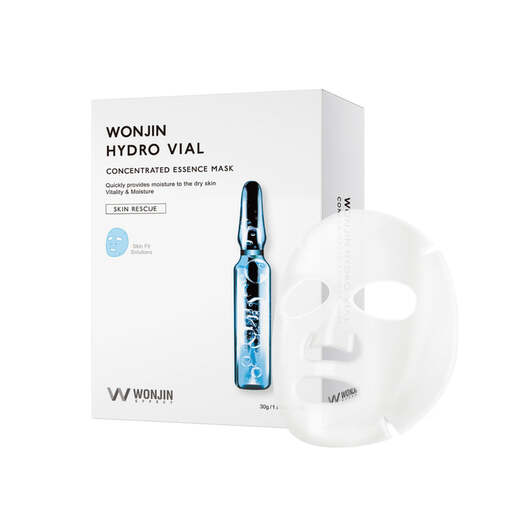
Why this product suits this profile: Ten individually usable sheet masks made from thin MediSeal material, with a formula containing six types of hyaluronic acid.
The pack size and intended wear time of around 10 minutes are clearly stated before purchase.
Ten sheet masks, hyaluronic acid in several forms, plus azulene and marine collagen according to the product description.
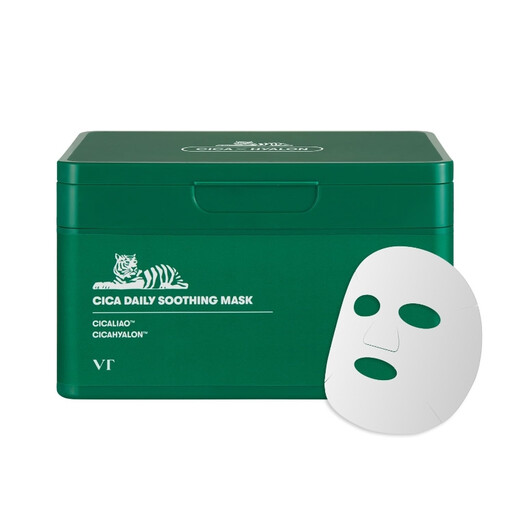
Why this product suits this profile: The dispenser contains 30 sheet masks, making it suitable for frequent facial skincare and easy to incorporate into short routines.
The 10 to 20-minute application time and removal with the included tweezers support controlled use.
30 sheets, 0.2-mm Nude-Seal sheet material, and ingredients such as Centella asiatica, madecassoside, panthenol and sodium hyaluronate.
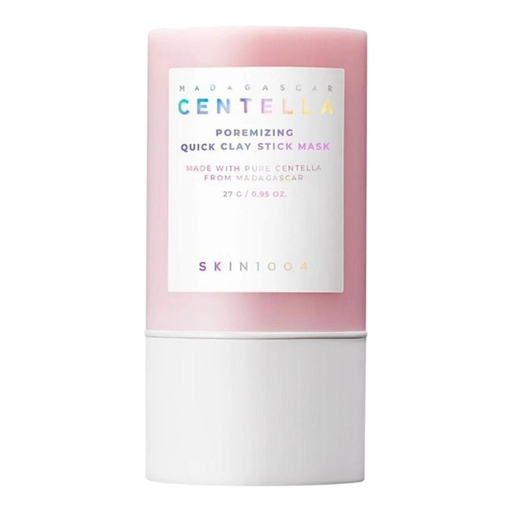
Why this product suits this profile: The stick format allows targeted application to specific areas of the face, without having to remove a product from a jar with your fingers.
The compact 27-g size helps to reduce unsuitable purchases for people who want to try a clay mask on individual areas first.
Stick packaging, plus kaolin, bentonite, Centella asiatica extract and calamine according to the stated composition.
We have put together a complete, regularly updated list of products that fully meet these strict selection criteria and the safety regulations applicable in the EU.
This depends on the mask type and your skin’s tolerance. Depending on the manufacturer’s instructions, sheet masks with a gentle moisturising formula can be used more frequently. Clay masks, exfoliating formulas and products containing active acids are generally used less often. The instructions on the packaging and your skin’s response are the key factors.
Many sheet masks are worn for around 10 to 20 minutes. The exact time varies from product to product. If the sheet becomes dry, it should be removed. A comfortable, moisturised feeling on the skin should not be replaced by an excessively long wear time.
A hydrogel mask may be suitable for sensitive skin, provided that the individual formula is well tolerated. Before first use, check the INCI list and any warnings. Stop using the product if redness, itching or burning occurs. Face masks should not be applied to damaged or irritated skin.