
Lieferung heute & morgen

Qualitätsgarantie

Willkommens-Angebote freischalten: KOSTENLOSE Lieferung | Bis zu 80 % RABATT | Kostenlose 30-Tage-JoyPlus-Testphase
App herunterladen
Face masks can provide targeted support within a skincare routine. However, they vary considerably in texture, application time, ingredients, pack size, and method of use. Shopping based solely on terms such as “Glow,” “Pore Refining,” or “Anti-Aging” can easily mean overlooking important details.
The following points help put marketing claims into perspective and select a face mask suited to your individual skin type.
A collagen face mask or hyaluronic acid face mask may contain humectants and leave the skin feeling moisturised during application. However, this does not automatically indicate lasting wrinkle reduction or firmer-looking skin. The specific INCI list, application instructions, and skin tolerance are what matter.
A face mask for enlarged pores cannot permanently “close” pores either. Hydration may temporarily make the skin’s surface appear smoother. Clay can absorb excess sebum, but it is not always the right choice for dry or sensitive skin.
A sheet mask should not generally be worn until the fabric has dried completely. Depending on the product, the recommended application time may be 5–10, 10–20, or 30–40 minutes. Wearing it for longer can feel uncomfortable and is not a reliable indication of enhanced skincare benefits.
Hydrogel face masks and overnight products often follow different application times. The instructions provided for the individual product should always take precedence.
Single sachets are convenient for travel and for trying a product for the first time. Larger packs containing 10, 21, or 30 sheets can be more economical for regular use, but they require careful storage. Once opened, resealable packaging should be closed securely and stored in a cool, dry place away from direct sunlight.
Sheet masks are saturated with serum and removed after the recommended application time. They are ideal for a quick treatment without rinsing. Korean face masks often offer a broad selection of sheet materials, essences, and skincare concepts.
Wash-off face masks are generally cream-, gel-, or clay-based. They are removed with lukewarm water after a specified period. This format can be a good choice if you prefer not to leave sticky serum residue on the skin.
Hydrogel face masks fit closely to the skin and often contain a gel-like treatment base. They may be suitable for longer application times, provided this is stated on the packaging.
The ingredient list should be reviewed before purchase. Fragrance, alcohol, essential oils, and certain preservatives are not equally suitable for every skin type. When introducing a new product, a small patch test is advisable. Face masks should not be applied to broken, severely irritated, or eczema-prone skin unless the manufacturer explicitly states otherwise.
If the product comes into contact with the eyes, rinse with water. If redness, swelling, itching, or any other reaction occurs, discontinue use. The information on the actual packaging is authoritative, as formulations and packaging details may change.
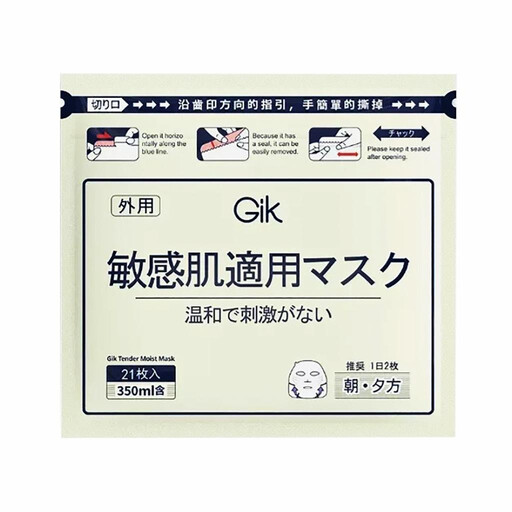
Why This Fits Their Persona: The 21-sheet pack is well suited to regular hydration care and makes it easy to apply a treatment after cleansing.
The stated sheet count makes ongoing treatment costs easier to compare. The recommended application time is 5–10 minutes.
21 sheets, with glycerin, sodium hyaluronate, panthenol, and betaine listed among the ingredients.
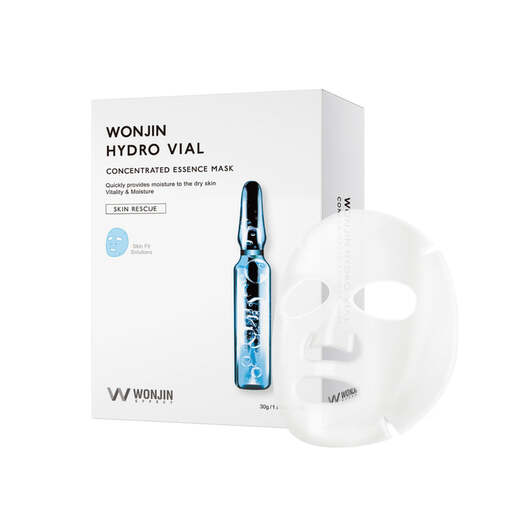
Why This Fits Their Persona: Designed for those who prefer a structured sheet-mask routine with a short application time and a focus on hydration.
The description refers to six types of hyaluronic acid; individual skin tolerance, rather than the number of active ingredients alone, should guide the decision.
10-minute application according to the product description; contains hyaluronic acid, panthenol, and collagen, among other ingredients.
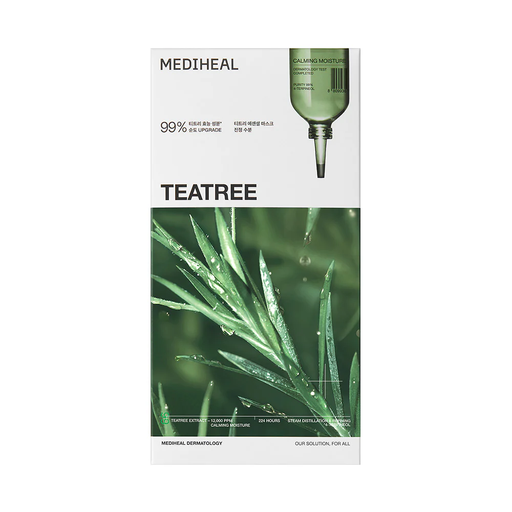
Why This Fits Their Persona: The product description is aimed at skin prone to excess oil and an imbalanced-feeling complexion.
The advertised suitability does not replace a patch test. If you are sensitive to fragrance or tea tree oil, review the INCI list particularly carefully.
10 sheet masks; the product description lists tea tree as an ingredient and specifies a mildly acidic formulation.
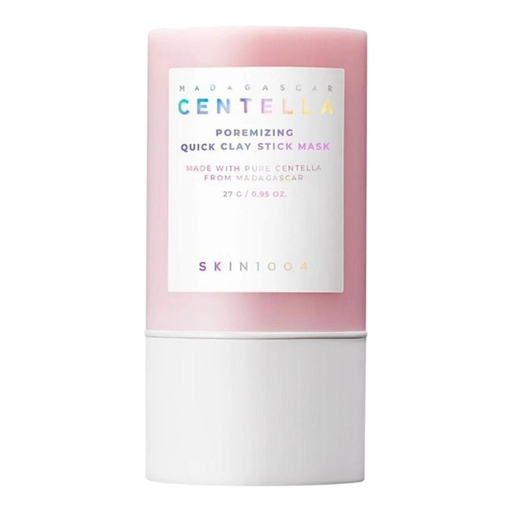
Why This Fits Their Persona: The stick format is convenient for targeted application to areas with an oily feel or visible texture.
Kaolin and bentonite are clearly specified. Even so, the mask should not be viewed as a permanent solution for pore size.
27 g stick; product details state 8% kaolin, 4.9% Centella asiatica extract, and bentonite.
We have curated an up-to-date selection of products that can be compared by skin type, ingredients, application, and pack size.
Using a mask once or twice a week is common for many more intensive formulations. Daily mask products may specify different usage instructions. Frequency and application time should be guided by the product as well as your skin’s individual response.
That depends on the type of mask. Hydrating sheet masks may be used more frequently according to the product instructions. Clay, exfoliating, or heavily fragranced formulations are generally intended for occasional use. If you are unsure, starting with a lower frequency is the more cautious approach.
A sheet mask is quick to apply and requires no rinsing. A wash-off face mask can be applied precisely and removed completely. Rich or hydrating textures are often more comfortable for dry skin, while an oilier complexion may benefit from a clay-based formulation.
The best-before date, batch number, and, where applicable, the symbol indicating the period of use after opening are shown on the packaging. Opened multipacks should be sealed tightly and stored according to the manufacturer’s instructions. If a sheet dries out, its scent changes, or a skin reaction occurs, discontinue use.