
Lieferung heute & morgen

Qualitätsgarantie

Willkommens-Angebote freischalten: KOSTENLOSE Lieferung | Bis zu 80 % RABATT | Kostenlose 30-Tage-JoyPlus-Testphase
App herunterladen
Choosing the right face moisturizer can be a challenge amidst the countless products and marketing claims. Well-intentioned purchases often lead to disappointment when a product doesn't suit your skin type or fails to deliver its advertised effects. To make an informed decision, it's helpful to understand common purchasing pitfalls and focus on the essential product features.
Two common pitfalls frequently lead to unsuitable purchases:
To find a moisturizer that meets your individual needs, three core parameters should be considered.
The foundation of any good skincare routine is understanding your own skin. A cream's texture and ingredients should be tailored to it.
An effective face moisturizer typically combines different types of ingredients to provide optimal care for the skin.
A cream's texture affects how it feels on the skin and its suitability for different skin types and seasons.
Based on these objective criteria, we have curated a selection of products for different user profiles.
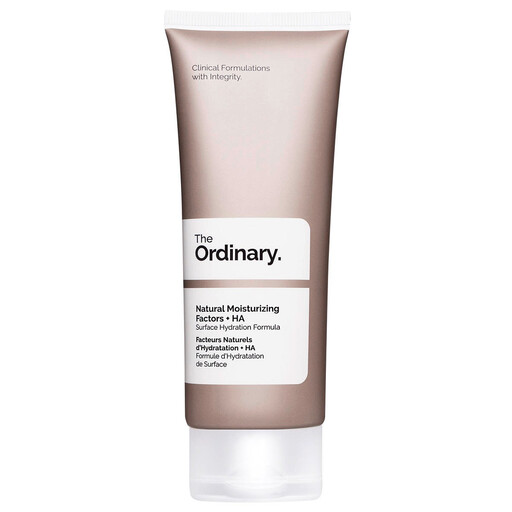
Why it's a great fit: It provides fundamental, non-greasy hydration with skin-identical ingredients at an accessible price point. Ideal for anyone seeking effective basic care without complex or expensive formulas.
The product avoids the "miracle ingredient" trap by relying on a proven complex of Natural Moisturizing Factors (NMF) that are naturally present in the skin, rather than promoting a single active ingredient.
Contains a blend of amino acids, fatty acids, and hyaluronic acid to support surface hydration. The formulation is free of fragrance and silicones.
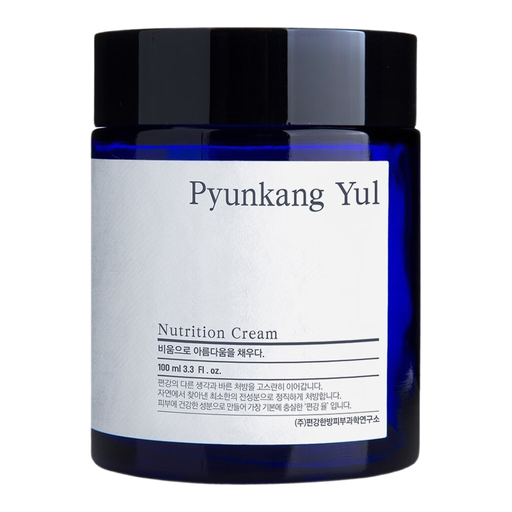
Why it's a great fit: This rich cream is specially formulated to provide deep, long-lasting moisture to dry, mature, or stressed skin without feeling heavy or greasy.
It counters the "one-size-fits-all" trap by offering a targeted, nourishing solution for users with significant dryness and a need for barrier support.
The formula is based on Astragalus Root Extract and contains Shea Butter and Macadamia Oil to nourish and regenerate the skin. Free from fragrances and preservatives.
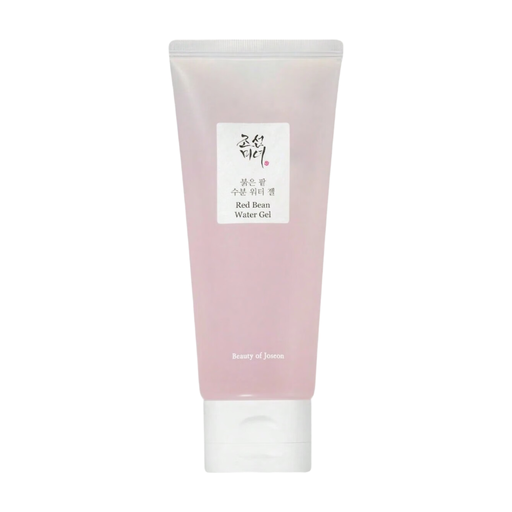
Why it's a great fit: The lightweight gel texture provides ample moisture without adding extra oil, making it ideal for those with oily or combination skin prone to clogged pores.
It avoids the mistake of using overly rich creams on oily skin. The formula with Adzuki Bean Extract helps to regulate excess sebum while simultaneously providing hydration.
Absorbs quickly and leaves no sticky residue. Contains peptides and a variety of plant extracts to support skin health.
We've compiled a complete, up-to-date list of products that fully meet these strict selection criteria.
As a general rule, application is recommended twice daily: in the morning after cleansing and before sunscreen, and in the evening as the final step in your skincare routine. This helps to keep the skin continuously hydrated and maintain its protective function.
Yes, products containing ingredients like ceramides, niacinamide, and essential fatty acids can support the skin's natural protective function and improve its resilience against external aggressors. An intact skin barrier is crucial for preventing moisture loss and keeping the skin healthy.
A lightweight moisturizer typically has a higher water content and a gel or lotion texture that absorbs quickly. It is ideal for oily or normal skin. A rich face cream contains more lipids (fats and oils), has a creamier consistency, and forms a protective film, making it particularly suitable as a face cream for dry skin.