
Lieferung heute & morgen

Qualitätsgarantie

Willkommens-Angebote freischalten: KOSTENLOSE Lieferung | Bis zu 80 % RABATT | Kostenlose 30-Tage-JoyPlus-Testphase
App herunterladen
A good face moisturiser is the foundation of any skincare routine. Yet, the market is overwhelming and full of marketing promises that often create more confusion than clarity. Many products don't deliver on their claims or are unsuitable for your specific skin type. The result is not only wasted money but also skin problems like dryness, irritation, or blemishes.
As your Joybuy Product Recommendation Officer, I'll help you recognise the typical pitfalls and make an informed decision. We'll focus on what really matters: the ingredients, the texture, and your skin's needs.
Before we turn to the solutions, it's important to understand the common marketing traps that lead to poor purchase decisions.
To find the right face moisturiser, you should focus on objective criteria. The following three points are crucial for making a good choice.
Instead of being swayed by marketing buzzwords, it's worth looking at proven ingredients that specifically address certain skin concerns.
The texture of a cream not only affects how it feels on the skin but also its nourishing effect.
Look for terms like "fragrance-free" and "non-comedogenic," especially if you are looking for a face cream for sensitive skin or blemish-prone skin. Products from the Korean skincare world often place great emphasis on low-irritant formulas and strengthening the skin barrier.
Based on the criteria above, we have identified some products that represent a considered choice for different needs and user profiles.
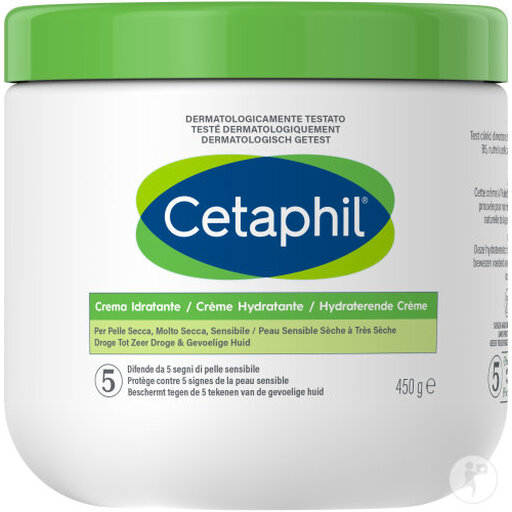
Why This Fits Their Persona: This cream is a reliable foundation for those with dry and sensitive skin who are looking for a no-fuss yet effective skincare solution. The large packaging offers great value for daily use.
It avoids trend ingredients and vague "for all types" promises. Instead, it focuses on a core function: intensive hydration and protection for sensitive skin.
The formula is fragrance-free and non-comedogenic. It contains Niacinamide and Panthenol to strengthen the skin barrier.
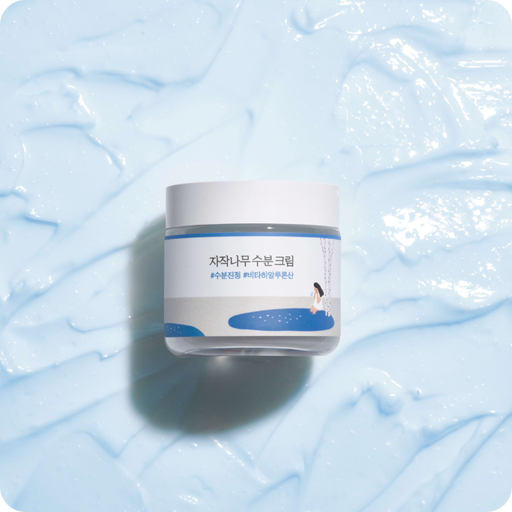
Why This Fits Their Persona: Ideal for fans of Korean skincare who want intense but non-heavy hydration. The cream uses birch sap to supply the skin with minerals and antioxidants.
Instead of just promoting one ingredient, the formula relies on a balanced blend that creates a hydrating barrier, effectively preventing moisture loss.
Forms a long-lasting moisture-locking film on the skin. The texture is nourishing without being sticky, making it great for layering skincare products.
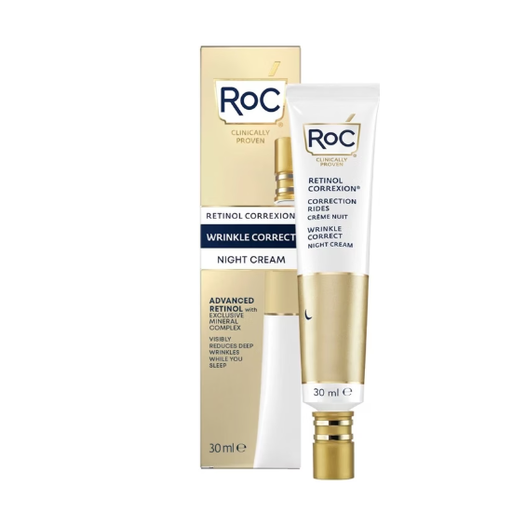
Why This Fits Their Persona: This night cream is specifically aimed at users who want to reduce the appearance of fine lines and wrinkles. It is designed as a specialised anti-aging cream for the evening routine.
The product is clearly positioned as a night treatment with retinol and doesn't promise universal effects for every purpose. It relies on a well-researched active ingredient instead of vague marketing hype.
Contains Retinol to support cell renewal. The formula also provides intense moisture to keep the skin supple overnight.
We have compiled a complete, up-to-date list of products that fully meet these strict selection criteria and UK safety regulations.
1. How often should I use a face moisturiser? It is generally recommended to apply a moisturiser to cleansed skin twice a day—morning and evening. In the morning, it protects the skin from environmental aggressors and serves as a good base for makeup. In the evening, it supports the skin's regeneration process. Depending on your skin type, it may be beneficial to use a lighter cream during the day and a richer one at night.
2. Can a moisturiser clog pores? Yes, certain ingredients, especially rich oils and waxes, can clog pores and lead to blemishes in some skin types. If you have oily or acne-prone skin, look for products labelled "non-comedogenic." Lightweight gel formulations are often a good choice here.
3. What is the difference between a hyaluronic acid cream and a ceramide cream? Both are excellent moisturisers, but they work differently. A hyaluronic acid cream acts primarily as a humectant, meaning it attracts and binds water molecules in the skin, leading to a plump, hydrated appearance. A ceramide cream, on the other hand, delivers lipids that are a natural component of the skin barrier. It helps to repair and strengthen this barrier to prevent moisture loss in the first place. A combination of both ingredients in a skincare routine is often very effective.