
Lieferung heute & morgen

Qualitätsgarantie

Willkommens-Angebote freischalten: KOSTENLOSE Lieferung | Bis zu 80 % RABATT | Kostenlose 30-Tage-JoyPlus-Testphase
App herunterladen
A face moisturiser should do more than leave your skin feeling comfortable. It needs to suit your skin, the season and your daily skincare routine. If you have dry, sensitive or mature skin, eye-catching advertising claims can easily lead to the wrong purchase.
Terms such as “Repair”, “Barrier Protection” or “Anti-Ageing” often describe a product’s intended purpose, but they aren’t a standardised measure of quality. What matters is the full INCI list on the packaging. Ceramides, glycerin, panthenol, squalane and hyaluronic acid, for example, can each play different roles in a skincare formula.
A hyaluronic acid cream can help bind moisture, but it won’t necessarily replace a rich, nourishing moisturiser. If your skin is very dry, lipids, oils or butters may also be important.
Even a moisturiser for sensitive skin may contain fragrance, essential oils or plant extracts. If you know your skin is sensitive to certain ingredients, check the list and start by testing a small amount on an inconspicuous area of skin.
If a product contains retinol, vitamin A derivatives or several active ingredients, it’s best to introduce it gradually. Stop using it if redness, stinging or itching persists, and seek medical advice if needed.
A light gel cream may feel comfortable under make-up, but it might not be enough for dry winter skin. On the other hand, a rich face cream may feel too heavy if your skin is oily or prone to blemishes. Choose a texture that suits your skin’s condition and when you plan to use it.
Three functions are worth considering in a daily face cream:
If you want to strengthen your skin barrier, don’t focus on just one ingredient. The combination of ingredients, how well your skin tolerates them and using the product regularly all matter.
Fragrance-free formulas can be a sensible choice if you have sensitive skin. However, that doesn’t mean every fragrance-free product will suit everyone. Preservatives, plant extracts and essential oils may also be worth checking, depending on your individual sensitivities.
A Korean face cream often contains several humectants, soothing ingredients and lightweight textures. But where it comes from isn’t enough to make it the right choice. The current ingredients list, directions for use and how well your skin tolerates it are what count.
Before you buy, check the following:
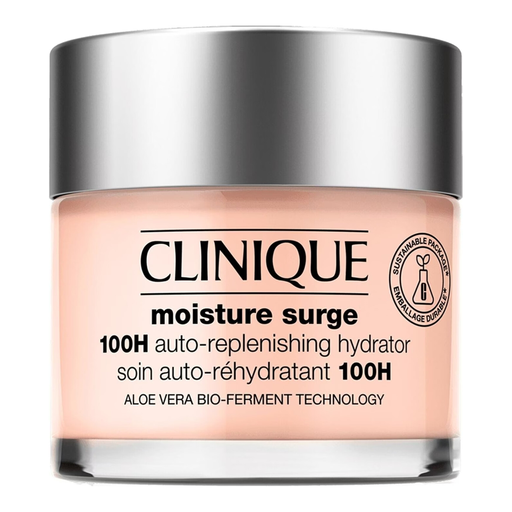
Why it suits this profile: This lightweight, oil-free gel cream can be used morning and evening, and the product information says it’s suitable for all skin types. It’s a good fit for beginners looking for straightforward hydration.
The product description clearly identifies the gel cream texture and oil-free formula. This makes it easier to choose based on how light you want your skincare to feel, rather than relying on marketing terms alone.
Hyaluronic acid, glycerin and aloe ingredients; 75 ml; can be used on its own, under make-up or as a quick face mask, according to the manufacturer.
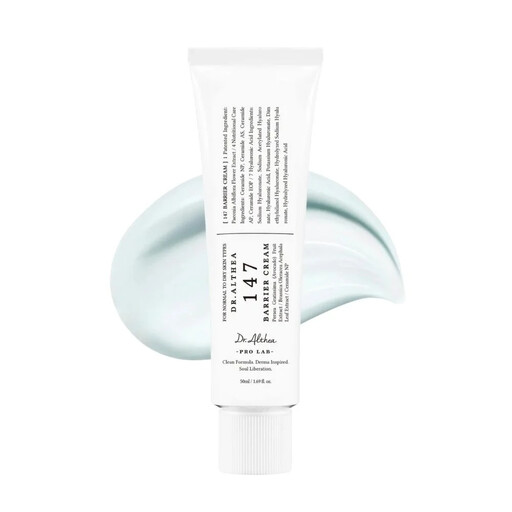
Why it suits this profile: The formula combines ceramides, cholesterol and several forms of hyaluronic acid. It’s aimed at shoppers who want to check the detailed ingredients in a barrier-supporting cream.
This pick is based on specifically listed ingredients, not just the term “Barrier Repair”. Even so, check the current ingredients list against the packaging before you buy.
50 ml; Ceramides NP, AP, AS, NG and EOP, plus several hyaluronic acid derivatives, according to the listed INCI ingredients; a silky texture that leaves little residue, according to the product description.
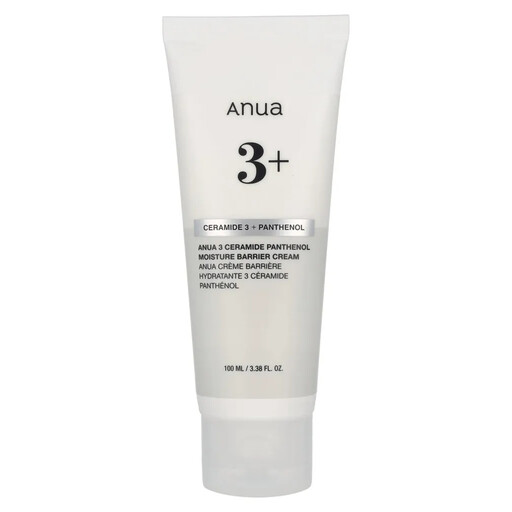
Why it suits this profile: The larger 100 ml size is suitable for daily use on your face and neck. Its rich yet reportedly lightweight texture is a good match for dry and sensitive skin.
The product description specifically mentions three ceramides and panthenol. This lets you make your choice based on clear formulation details, rather than the product’s Korean image alone.
100 ml; Ceramides NP, AP and EOP; panthenol, hyaluronic acid and centella ingredients, according to the listed ingredients.
We’ve put together a complete, regularly updated list of products that meet these strict selection criteria and comply fully with the safety regulations in force in the EU.
Apply the cream after cleansing, to slightly damp or completely dry skin, depending on the recommended directions. If you use several skincare products, face cream usually goes on after toner and serum. A small amount is often enough; applying a thicker layer won’t necessarily make it more effective.
Introduce new products one at a time. This makes it easier to work out which formulas your skin tolerates well. If you have very dry patches, a richer cream may be useful in the evening, while a lighter texture may feel more comfortable under sun protection in the morning.
A face cream for dry skin should contain nourishing ingredients as well as humectants. Glycerin or hyaluronic acid alone may not be enough if your skin is very dry. Also look for ceramides, squalane, shea butter or suitable oils, and choose a texture that doesn’t leave your skin feeling tight.
Check the PAO symbol, the packaging information and how the product is stored. Close the jar or tube after each use, and keep the cream away from direct sunlight and excessive heat. If its smell, colour or consistency changes noticeably, stop using it.
It depends on the active ingredients. A moisturiser with hyaluronic acid, glycerin or peptides can typically be part of your daily routine, as long as your skin tolerates it. If it contains retinol, it’s best to introduce it gradually, following the manufacturer’s directions. Suitable sun protection should be part of your daytime routine.