
Lieferung heute & morgen

Qualitätsgarantie

Willkommens-Angebote freischalten: KOSTENLOSE Lieferung | Bis zu 80 % RABATT | Kostenlose 30-Tage-JoyPlus-Testphase
App herunterladen
A face moisturiser is designed to hydrate dry, tight or dehydrated skin while fitting comfortably into your daily routine. The options range from lightweight gel creams and classic lotions to rich balms. Yet this very variety can make choosing the right one a challenge.
1. Don’t judge long-lasting hydration claims in isolation
Statements like “up to 48 or 100 hours” refer to the product’s own testing and don’t automatically mean the same effect for everyone. Your skin type, cleansing routine, weather, indoor heating and the amount you apply all influence how your skin feels. What really matters is which humectants and emollients are included.
2. Don’t confuse “light” and “rich” with suitability for every skin type
Oily or blemish-prone skin often needs a different texture than very dry skin. A rich face cream can feel heavy on the T-zone, while a light gel cream may not be enough for dry cheeks. The label “for all skin types” is a starting point, but it’s no substitute for checking the texture and ingredients.
3. Don’t overlook fragrance and plant extracts
Even a pleasantly scented product can cause issues for sensitive skin. Check the INCI list for Parfum and mandatory-declared fragrance allergens such as Limonene, Linalool or Geraniol. If you know you have sensitivities, do a patch test on a small area. If redness, stinging or persistent irritation occurs, stop using the product.
Hyaluronic acid, glycerin, urea, sodium PCA and trehalose help bind water to the skin’s surface. A hyaluronic acid cream can therefore support a smoother, less dry feeling. For more intensive facial care, look for additional lipids, squalane, shea butter or ceramides. Ceramides and skin-like lipids are often used to cosmetically support the skin barrier function.
Apply your moisturiser to slightly damp skin after cleansing. In the morning, use a separate sunscreen as part of your routine unless your cream already provides adequate UV protection. For regular use, 50 to 100 ml is practical; 20 to 30 ml is ideal for travel, trying something new or as a supplement to your existing routine.
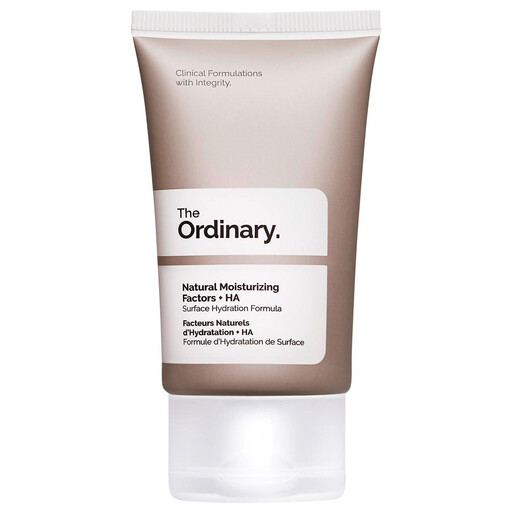
Why this product fits the profile: This cream combines glycerin, sodium hyaluronate, amino acids, urea and fatty acids in a compact 30 ml size. It’s a manageable option for getting started or testing a daily moisturiser.
The product description states a non-greasy, fragrance-free formula. The full INCI list is also available, so your choice isn’t based on marketing claims alone.
Fragrance-free formula according to the product description; moisturising components and skin-identical nutrients in a simple cream base.
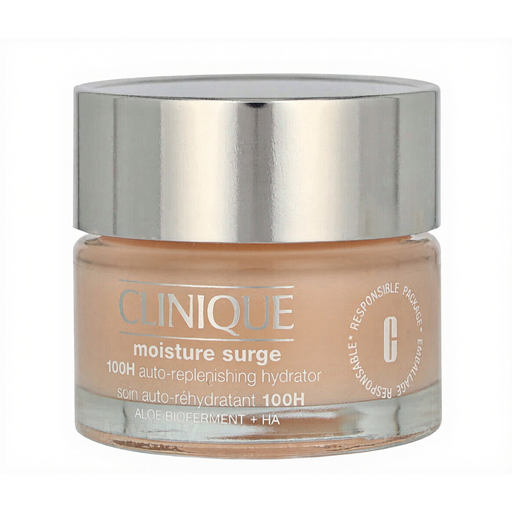
Why this product fits the profile: The oil-free gel texture is ideal for anyone who wants a fast-absorbing moisturiser to wear under make-up or as part of a quick morning routine.
The texture is clearly described as an oil-free gel moisturiser. It also states that it contains no fragrance, parabens, phthalates or drying alcohol.
Aloe bio-ferment and sodium hyaluronate; according to the product description, dermatologically tested and suitable for sensitive skin.
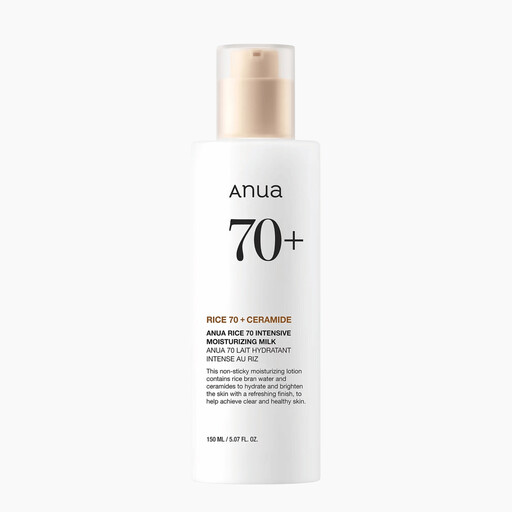
Why this product fits the profile: The generous 150 ml size and milky, fast-absorbing texture make it ideal for anyone who wants to use a light, barrier-focused moisturiser morning and evening on a regular basis.
Multiple ceramides, squalane, ectoin and hyaluronic acid are listed in the INCI. The formula is therefore more transparent than a simple promise of “intensive” care.
150 ml content; several types of ceramide as well as sodium hyaluronate and hydrolysed hyaluronic acid according to the product information.
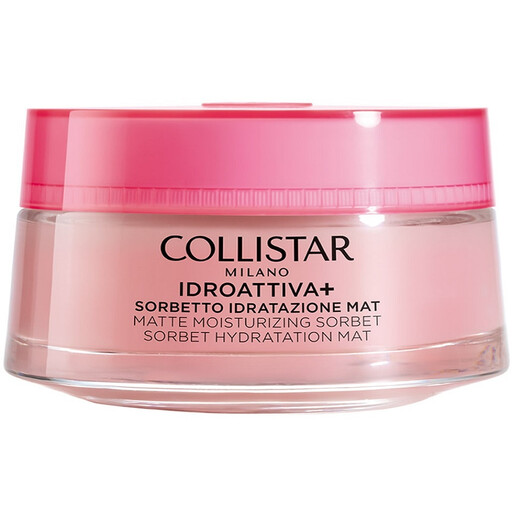
Why this product fits the profile: This lightweight sorbet gel cream is aimed at combination and oily skin according to the product description. It could be a good choice when you want a non-shiny texture for the T-zone.
The product description mentions a sorbet texture and silica to absorb excess sebum. This makes the texture more specific than a general “for all skin types” claim.
Light gel texture; silica and humectants are included in the stated formula.
We’ve put together a full, regularly updated list of products that meet these strict selection criteria and comply with EU safety regulations.
For dry skin, richer formulations with glycerin, urea, squalane, shea butter, ceramides or hyaluronic acid are often a good choice. A face cream for dry skin should feel comfortable without being too tight or needing reapplication after a short time. For very dry areas, a richer product in the evening may be more suitable than one used in the morning.
Most products are designed for use morning and evening. Follow the product description and apply a small, even amount to your face and neck. With a moisturiser for sensitive skin, it’s advisable to test it on a small area first.
Check the printed expiry date and the PAO symbol – an open jar icon with a number of months. Store the cream in a cool, dry place away from direct sunlight. If the smell, colour or consistency changes noticeably, stop using the product.