
Lieferung heute & morgen

Qualitätsgarantie

Willkommens-Angebote freischalten: KOSTENLOSE Lieferung | Bis zu 80 % RABATT | Kostenlose 30-Tage-JoyPlus-Testphase
App herunterladen
A face moisturiser should care for your skin comfortably without leaving it feeling tight, shiny or heavy. The choice ranges from lightweight moisturisers and rich face creams for dry skin to daytime face creams with sun protection. However, claims such as “intense hydration”, “natural ingredients” or “anti-ageing” alone reveal little about whether a formula will suit your skin in everyday use.
Plant oils, essential oils and fragrances can feel pleasant on some skin types, but may trigger unwanted reactions in sensitive or redness-prone skin. Alcohol can also be relevant depending on the formulation and the condition of your skin. That is why checking the complete INCI list is more informative than relying on a single seal on the front of the packaging.
A very rich texture can be beneficial for dry skin, but may feel too heavy on oily or blemish-prone skin. Conversely, a watery gel may not be enough for very dry skin. Your skin type, the season, indoor climate and the other skincare products you use are all important factors.
A face cream with SPF 50 does not automatically replace a separate sunscreen. Applying enough product and reapplying regularly are important, particularly after sweating, swimming or drying yourself. The sun protection factor also refers to tested use under defined conditions.
For dry skin, suitable ingredients may include glycerin, hyaluronic acid, Sodium PCA, squalane, shea butter and ceramides. Humectants bind water, while lipids and nourishing oils can help keep the skin’s surface feeling soft and supple.
A face cream with hyaluronic acid is not automatically rich. Hyaluronic acid is available in different forms and concentrations, so it should be considered alongside the rest of the formula. For sensitive skin, a short INCI list without perfume can be a practical selection guide.
The term “non-comedogenic” describes a product property, but does not guarantee that it will suit everyone. When choosing a face cream for blemish-prone skin, you should also consider the complete formula and your individual reaction.
When choosing a day face cream with UV protection, check the stated SPF and the information about UVA and UVB protection. Products such as a face sunscreen SPF 50 can simplify your morning routine, but must be applied evenly and generously. Skincare marketed as an “anti-ageing face cream” should not be bought solely because of this description. Ingredients, sun protection factor, fill quantity, usage instructions and skin compatibility information are examples of details that can be assessed objectively.
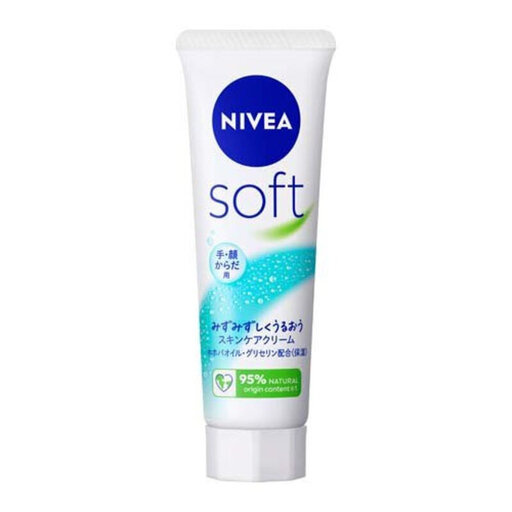
Why this product suits the profile: This cream is designed for the face, hands and body, making it a straightforward option for everyday use. The formula includes glycerin and jojoba oil, among other ingredients.
The lightweight, water-based texture reduces the risk of choosing a face cream that feels too heavy for everyday use. The composition details should be checked against the current packaging before purchase.
Versatile use; glycerin, jojoba oil and other nourishing ingredients; 50 g contents.
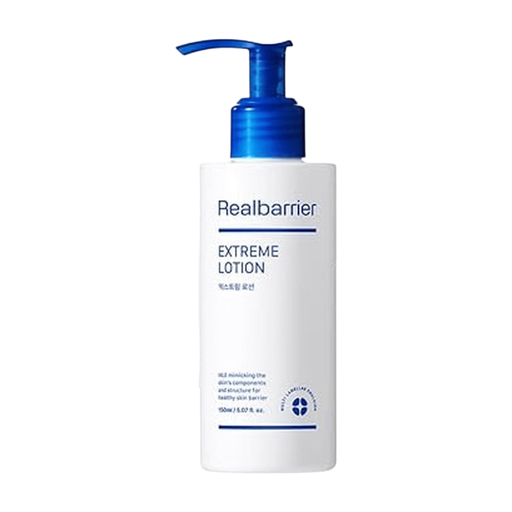
Why this product suits the profile: This lotion contains ceramides, panthenol, ectoin, squalane and sodium hyaluronate. Its mildly acidic formulation and lotion texture are designed to provide intensive care without feeling sticky.
The listed ceramides and humectants make the composition more transparent than broad claims about “barrier care”. A patch test remains advisable for sensitive skin.
150 ml contents; Ceramide NP, AP and EOP; panthenol and Sodium Hyaluronate in the ingredients list.
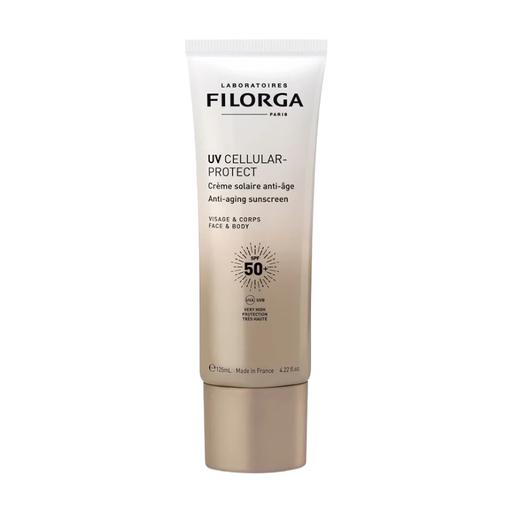
Why this product suits the profile: This sunscreen is designed for the face and body, combining SPF 50+ with a lightweight texture that, according to the product description, absorbs quickly. It may appeal to people who want to incorporate UV protection into their daily skincare routine.
The specific SPF rating and usage instructions are clearly stated. However, during extended periods outdoors, you must still apply enough product and reapply it regularly.
SPF 50+; 125 ml contents; according to the product information, leaves no white residue and is suitable for all skin types.
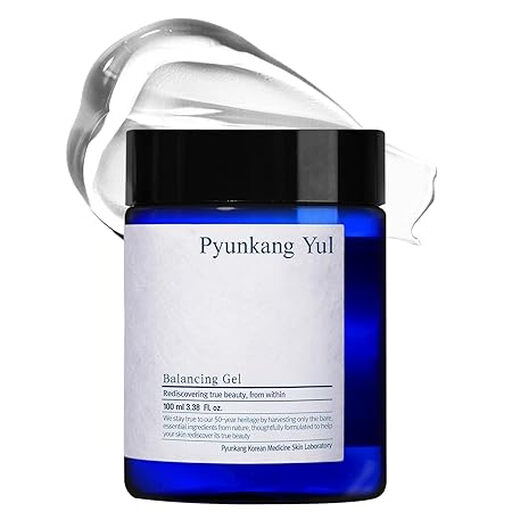
Why this product suits the profile: According to the product description, this clear gel contains seven ingredients, astragalus root extract and jojoba oil. The fragrance-free texture may suit combination to dry skin.
The short ingredients list makes it easier to assess this minimalist Korean skincare product. Even so, you should check the information on the packaging and introduce new products carefully at first.
100 ml contents; fragrance-free formula according to the product information; can be used as a gel, moisturiser and sleeping mask.
We have put together a complete, regularly updated list of products that fully meet these strict selection criteria and the safety regulations applicable in the EU.
Apply the cream to cleansed skin and spread it gently. When using several skincare products, the usual approach is to go from the thinnest to the richest texture. In the morning, sunscreen should be the final skincare step. Test new formulations on a small area of skin first. If you experience burning, itching, redness or swelling, stop using the product. Products should not be applied to open or visibly irritated skin unless the packaging states otherwise.
Also check the best-before date, batch number and recommended period of use after opening. Heat, direct sunlight and frequent touching can affect product quality. The current ingredients list on the packaging is the authoritative source, as formulas can change.
A face cream for dry skin should combine humectants such as glycerin or hyaluronic acid with nourishing lipids, oils or ceramides. If your skin feels very tight, a richer texture may feel more comfortable. Individual compatibility remains the deciding factor.
A lightweight, non-sticky or oil-free formulation may suit oily, combination or blemish-prone skin. The term “non-comedogenic” can offer guidance, but is not a guarantee for everyone. New products should be introduced gradually.
The period-after-opening symbol, best-before date and manufacturer’s instructions are the key points to follow. If the smell, colour or consistency changes noticeably, the product should no longer be used.