
Lieferung heute & morgen

Qualitätsgarantie

Willkommens-Angebote freischalten: KOSTENLOSE Lieferung | Bis zu 80 % RABATT | Kostenlose 30-Tage-JoyPlus-Testphase
App herunterladen
A face moisturiser should balance dry patches, leave your skin feeling comfortable, and fit seamlessly into your daily skincare routine. But choosing the right one isn’t just about brand or texture. Marketing terms like “intensive hydration”, “barrier protection” or “glass skin” don’t mean much if your skin type, ingredients and application don’t align.
A very thick or oily cream isn’t automatically right for every dry skin type. On combination skin, it can feel heavy, especially on the T-zone. Conversely, a light gel cream may not be enough for very dry cheeks or cold winter weather. What really matters are humectants, lipids and using the right amount of product.
Hyaluronic acid, niacinamide, ceramides or PDRN are common ingredients in modern skincare. But just seeing them listed doesn’t guarantee they’ll suit you. You should also check the full INCI list, the consistency and any potential fragrances. A hyaluronic acid cream can be lightweight, for example, while a ceramide cream is often richer.
Sensitive or irritated skin can react to fragrances, essential oils or certain plant extracts. A moisturiser for sensitive skin should therefore have a simple, straightforward formula. Before using it for the first time, do a patch test on a small area. If redness, stinging or a rash persists, stop using the product and seek medical advice if needed.
Glycerin, hyaluronic acid and sodium hyaluronate bind water and are often used in hydrating formulas. Ceramides and lipids are typical components of a barrier-protection cream. Niacinamide can be used in cosmetic formulations to help maintain an even-looking complexion.
PDRN creams, such as the Medicube or Anua versions, combine PDRN with additional moisturisers. The term PDRN describes a cosmetic ingredient; it is not a substitute for medical treatment. Even a vegan face cream should be checked against the specific product details, because “vegan” doesn’t automatically mean “fragrance-free” or “suitable for all sensitive skin”.
A 20 ml pot can be handy for occasional use or trying something new, while 100 ml may last longer for daily facial care. For body care, larger sizes are more practical. The Decubal Restoring Clinic Cream with 250 g is a good example; according to the product details, it can be used on both face and body.
Also check the INCI list, expiry date, batch number and usage instructions on the packaging you receive. Ingredients can change, so the labelling on the specific product is what counts.
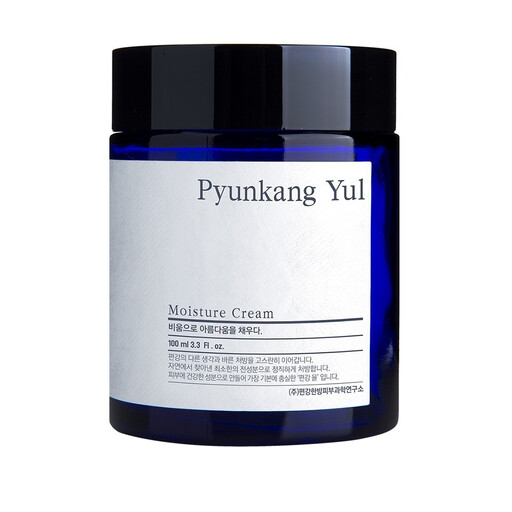
Why this product fits the profile: The 100 ml size and its focus on daily face and décolleté care make it ideal for beginners looking for a straightforward Korean skincare face cream.
The product details state it is formulated without perfume, silicones and parabens. This makes it easy to check several common exclusion criteria straight away.
Jojoba oil and shea butter appear in the INCI list; the brand states the product is vegan and cruelty-free.
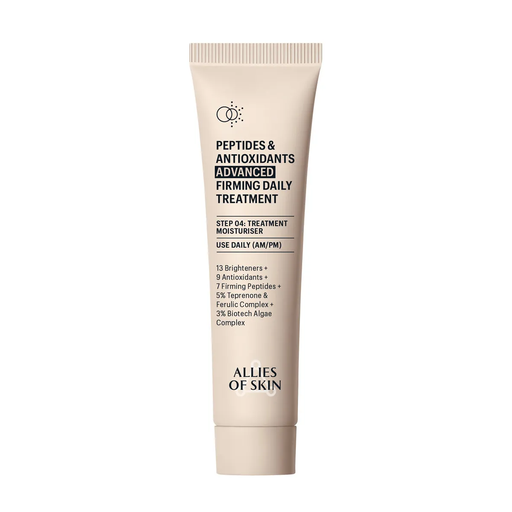
Why this product fits the profile: This compact cream is aimed at those who want to combine peptides, antioxidants and hydration in one product for the face, neck and eye area.
Rather than just promoting a single active ingredient, the product description lists several groups of actives and the specific fill size of 20 ml.
The INCI list includes ceramides, hyaluronic acid, bisabolol and several peptides, among other ingredients.
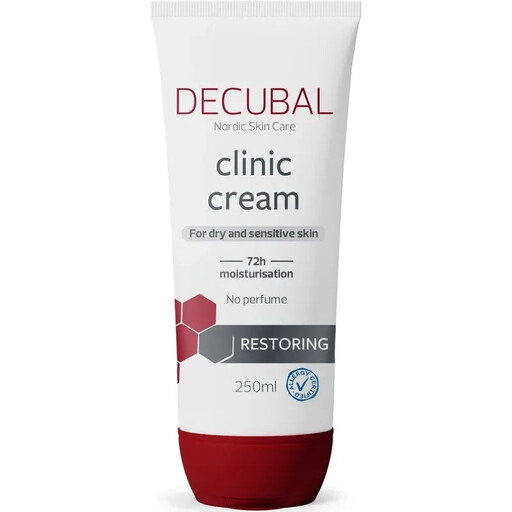
Why this product fits the profile: The larger size is designed for regular use on particularly dry areas of the body, as well as for a more extensive skincare routine.
The product description states a lipid content of 38% and that it is free from perfume and colourants. This makes it easier to choose for dry, sensitive skin.
250 g content, lanolin, glycerin and dimethicone; according to the product details, it is intended for both face and body.
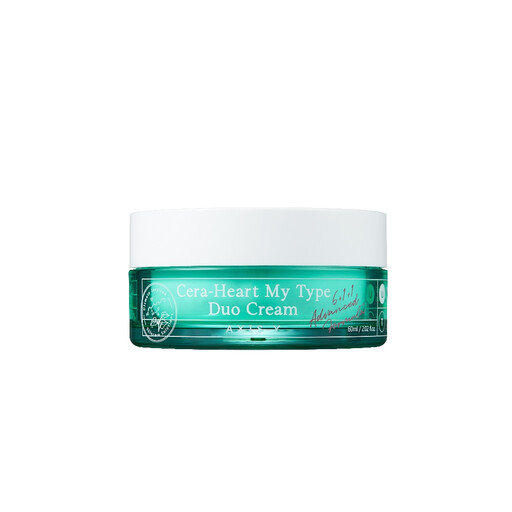
Why this product fits the profile: The split into a light T-zone cream and a richer U-zone cream allows you to care for different areas of combination skin.
The two formulations avoid the compromise of applying the same richness all over your face.
30 ml T-zone cream and 30 ml U-zone cream; the U-zone formula contains ceramide NP and shea butter according to the INCI list.
We’ve put together a full, regularly updated list of products that meet these strict selection criteria and fully comply with EU safety regulations.
Apply your moisturiser after cleansing, onto slightly dry or still slightly damp skin. If you’re using several products, the order is: cleanser, toner or serum, then cream. In the morning, if you’re using an active-ingredient product, you should also apply a suitable sunscreen.
An intensive moisturiser doesn’t need to be applied generously every time. Start with a small amount and increase it on dry areas if needed. If the product contains fragrances, essential oils, honey or lanolin, be mindful of any allergies or personal intolerances.
For dry skin, richer formulations with glycerin, shea butter, oils, squalane, ceramides or dimethicone are worth considering. Your individual tolerance and how the product feels on your skin are still the most important factors. If your skin is very tight or flaky, don’t test the product on irritated or broken skin.
A face cream can be used in the morning, evening or twice a day, depending on the product. Always follow the manufacturer’s instructions. When trying a new formula, it’s a good idea to start with a small amount and observe how your skin reacts.
Body creams are often available in larger sizes and can have a richer formula. A body cream isn’t automatically suitable for the face, especially if it contains fragrances. Products that are explicitly labelled for both face and body use offer clearer guidance here.