
Lieferung heute & morgen

Qualitätsgarantie

Willkommens-Angebote freischalten: KOSTENLOSE Lieferung | Bis zu 80 % RABATT | Kostenlose 30-Tage-JoyPlus-Testphase
App herunterladen
A face moisturiser should feel comfortable, suit your skin and fit easily into your daily skincare routine. Yet product claims don’t always help you make the right choice. Phrases such as “intense hydration”, “barrier protection” or “for all skin types” don’t, on their own, tell you whether a cream is suitable for your particular skin.
Dry skin often needs a cream containing glycerin, panthenol, oils, lipids or skin-identical ingredients such as ceramides. However, a very rich texture can feel uncomfortable on combination or oily skin, and may pill under sun cream or make-up. A light gel-cream with humectants may be a better fit for these skin types.
A moisturiser for sensitive skin or a face cream for sensitive skin should ideally have a straightforward formula. Fragrances, essential oils or certain preservatives can be problematic for some people. The wording on the packaging is therefore only a first indication. The full INCI list and your own skin’s tolerance are what matter.
Hyaluronic acid can bind water, while glycerin is used as a humectant. Ceramides and certain lipids are often used in formulas designed to support the skin barrier. However, this doesn’t automatically mean they have a medical effect. If you experience persistent redness, severe itching or broken skin, stop using the product and seek medical advice if needed.
If you want to support your skin barrier, look for ceramides, panthenol, glycerin, squalane or skin-conditioning lipids. A cream with ceramides may be particularly appealing if your skin feels dry or tight. Hyaluronic acid can help bind moisture, but if your skin is prone to dryness, use it with a moisturiser on top.
If you’re using products with retinol, introduce them gradually. Retinol can make skin more sensitive and shouldn’t be used alongside lots of other potentially irritating active ingredients. Make sure you include a suitable sunscreen in your daytime routine.
Face cream is usually applied after cleansing and, if needed, after toner or serum. Follow the product instructions and use an amount that feels right for your skin. A small amount is often enough for your face and neck. If you’re choosing a balm for face and body, pack size may matter more if you’re buying for a family or use it frequently.
Also check:
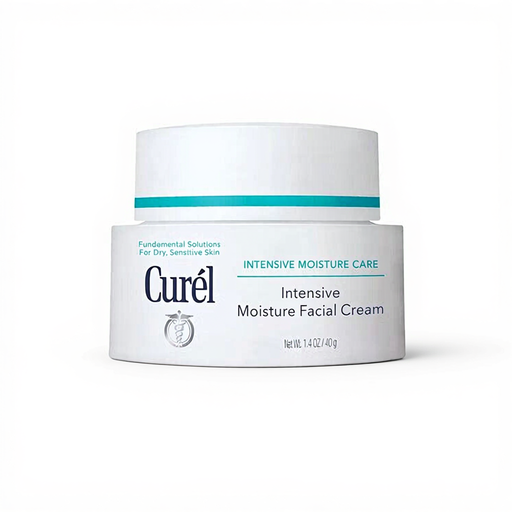
Why this product suits this skin profile: According to the product description, this compact face cream is designed for dry, sensitive skin and is easy to add to your daily routine.
The ingredients list includes glycerin, allantoin and a ceramide-related lipid. However, you should still check how well your skin tolerates it.
40-g pack, designed for use on the face and, according to the product details, a fast-absorbing texture.
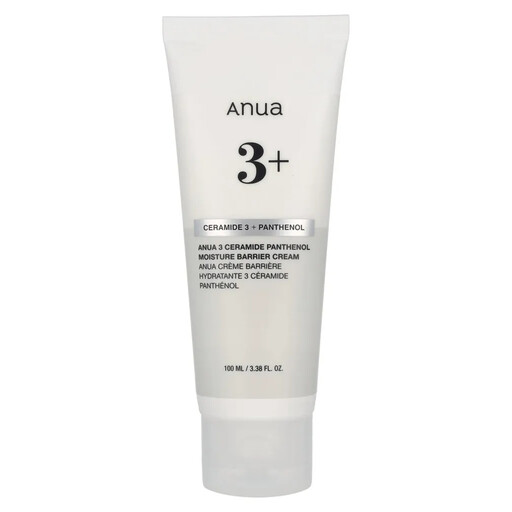
Why this product suits this skin profile: According to the product details, this Korean moisturiser combines three types of ceramide with panthenol and hyaluronic acid in a 100-ml pack.
The listed barrier-care ingredients make the product’s skincare focus clearer than a marketing claim alone. Check the INCI list on the packaging before you buy.
Panthenol, Ceramide AP, NP and EOP, plus a texture described as light and non-sticky.
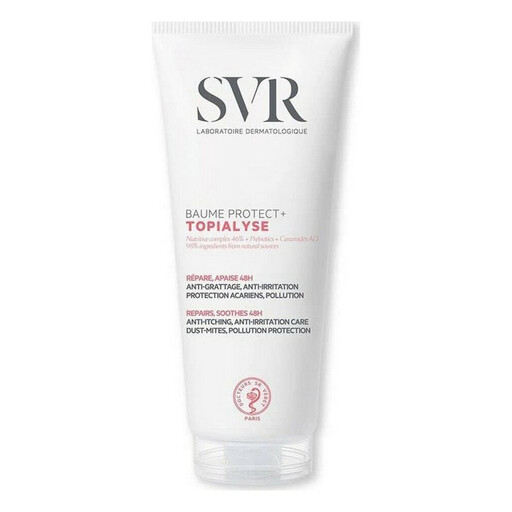
Why this product suits this skin profile: According to the product details, this balm is designed for the face and body, making it a versatile option for households looking for a multi-purpose skincare product.
The larger pack means you won’t need to buy it as often. Before applying it to your face, test the rather rich balm texture on a small area of skin.
200 ml, suitable for face and body, and a non-greasy texture according to the product details.
We’ve put together a complete, regularly updated list of products that meet these strict selection criteria and fully comply with the safety regulations in force in the EU.
Apply the cream to clean skin and spread it gently without rubbing hard. If your skin is dry, applying moisturiser while your skin is slightly damp can help you incorporate humectants into your routine. Introduce new products one at a time. That makes it easier to identify any formula your skin may not tolerate.
A soothing face cream isn’t automatically suitable for irritated or broken skin. Stop using it if you experience stinging, swelling, a rash or persistent redness. Take extra care with products containing retinol, fragrances or essential oils if you have sensitive skin.
Richer creams or balms containing glycerin, panthenol, ceramides, oils or shea butter may suit dry skin. What matters is how your skin feels, how well it tolerates the product and the full ingredients list. A gel-cream alone may be too light for very dry skin.
Most moisturisers can be applied morning and evening, unless the product instructions say otherwise. Use a suitable sunscreen in the morning, especially if your routine includes retinol.
Follow the Period After Opening symbol and the information on the packaging. Use clean hands to take cream from a jar and keep it tightly closed between uses. If the smell, colour or consistency changes, stop using the product.