
Lieferung heute & morgen

Qualitätsgarantie

Willkommens-Angebote freischalten: KOSTENLOSE Lieferung | Bis zu 80 % RABATT | Kostenlose 30-Tage-JoyPlus-Testphase
App herunterladen
A facial moisturiser is part of many people’s daily skincare routine. Even so, choosing the right one is not always easy: a cream may feel comfortable on dry skin but seem too rich on oily skin. Other products promote hyaluronic acid, ceramides or a ‘glass skin’ effect without clearly showing whether their texture and ingredients are suited to your individual skin.
Three common purchasing misconceptions frequently lead to the wrong choice:
With a facial cream for dry skin, moisturising ingredients are not the only factors worth considering. Nourishing and protective ingredients can also be beneficial. These include glycerine, urea, squalane, fatty acids and skin-identical lipids, for example. A richer cream can be particularly useful in the evening or during the colder months.
For combination and oily skin, a lightweight facial cream or non-greasy moisturiser is often a better choice. Gel cream and lotion textures usually absorb more quickly and are easier to apply underneath sun protection or make-up. The term ‘oil-free’ only describes one particular aspect of a formula and is not a general promise of suitability for all skin.
Hyaluronic acid and its derivatives bind water to the skin’s surface and are often used in a hyaluronic acid cream. Glycerine, beta-glucan, panthenol and urea are also humectants that may be found in facial skincare products.
Ceramides, cholesterol, fatty acids and other lipid-rich ingredients are relevant for barrier protection. A moisturiser for sensitive skin should ideally have a straightforward formula if your skin reacts to numerous ingredients. Fragrances and essential oils are not necessarily problematic, but they may be an additional consideration for sensitive or redness-prone skin.
The ingredients list on the packaging is the definitive source of information. Product descriptions and INCI lists in online shops may change. Always check the current packaging information before purchasing.
A moisturiser is usually applied after cleansing and, if required, after toner or serum. In the morning, a suitable sunscreen should then be applied. In the evening, a slightly richer moisturiser may fit well into your routine.
Also consider the size: 30 ml is suitable for trying a product or taking it travelling, while 80 to 150 ml may offer a different price-per-millilitre ratio for daily use. With jars, using a clean spatula is advisable; tubes or pump dispensers reduce direct contact with the product.
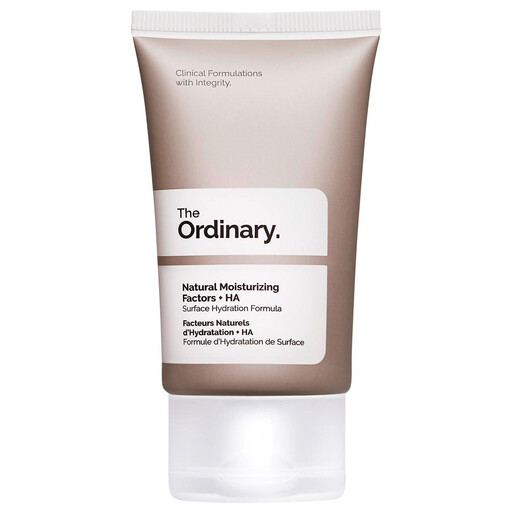
Why this product suits this profile: The compact size is ideal for beginners and for checking personal tolerance. The cream combines glycerine, Sodium Hyaluronate, amino acids and fatty acids.
The straightforward formula and absence of added fragrance make it easier to check the INCI list carefully.
30 ml; humectants and skin-identical ingredients; non-greasy finish according to the product description.
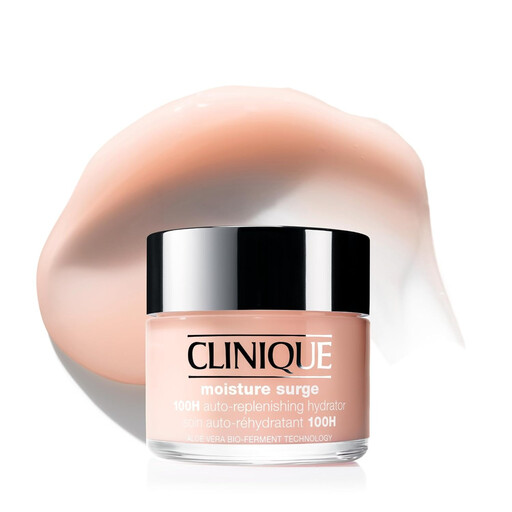
Why this product suits this profile: The 125 ml size is designed for a regular morning and evening routine. According to the product information, the gel cream can also be worn under make-up.
The lightweight, oil-free gel cream is an alternative to heavy textures when you are looking for a non-greasy moisturiser.
125 ml; gel cream texture; Sodium Hyaluronate, glycerine and aloe ingredients according to the product information.
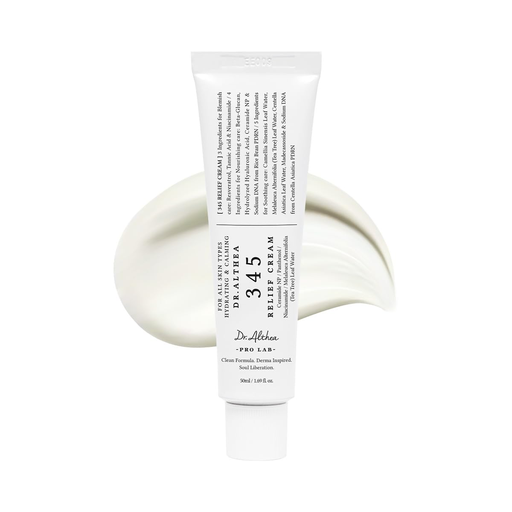
Why this product suits this profile: The lightweight Korean gel cream is designed for a daily routine including serum and sun protection. It may be of interest for combination, oily, sensitive or blemish-prone skin.
The product information states that it has a non-greasy texture and has been tested for non-comedogenicity and suitability for sensitive skin. Nevertheless, the current packaging information remains decisive.
50 ml; niacinamide, panthenol, centella ingredients, Ceramide NP and hyaluronic acid derivatives according to the INCI list.
We have put together a complete, regularly updated list of products that fully meet these strict selection criteria and the safety regulations applicable in the EU.
If you have sensitive skin, it is advisable to carry out a patch test on a small area of skin before using the product fully for the first time. Stop using the product if you experience burning, swelling, itching or persistent redness. Cosmetic products are not intended to treat skin conditions.
A facial cream for dry skin can combine humectants such as glycerine or hyaluronic acid with nourishing ingredients. If your skin feels very tight, creams containing ceramides, squalane, fatty acids or other lipids are often a more natural choice than very lightweight gel textures.
For daily skincare, it is usual to apply moisturiser in the morning and evening. The amount required depends on the texture, how your skin feels and the other steps in your routine. A thin, even layer is usually sufficient; particularly dry areas can be given a little extra care.
The best-before date and the open-jar symbol on the packaging are the key points of reference. Store the cream in a cool, dry place away from direct sunlight. If its smell, colour or consistency changes, stop using the product.