
Lieferung heute & morgen

Qualitätsgarantie

Willkommens-Angebote freischalten: KOSTENLOSE Lieferung | Bis zu 80 % RABATT | Kostenlose 30-Tage-JoyPlus-Testphase
App herunterladen
A face moisturiser is part of many people’s daily skincare routine. However, the wide choice of products does not automatically make it easier to choose the right one. Gels, creams, barrier protection and active-ingredient skincare can differ significantly in texture, formulation and application.
Typical buying mistakes arise from three points:
For dry skin, creamy formulations containing glycerin, squalane, shea butter, ceramides or oils are often a practical choice. A face cream for dry skin should not leave your skin feeling tight or rough immediately after application.
For combination skin, a lighter lotion or gel cream is often suitable. A moisturiser for combination skin should provide hydration without leaving a noticeably greasy film in the T-zone. If you are prone to clogged pores, you can specifically look for a non-comedogenic face cream. However, always check this information directly on the product page or packaging.
Hyaluronic acid and its various forms are often used in a hyaluronic acid cream. They are particularly well suited to lightweight, hydrating textures. Film-forming or moisturising ingredients also play a role in providing longer-lasting comfort.
For sensitive skin, a straightforward INCI list and avoiding fragrance are often sensible choices. A soothing face cream may contain panthenol, Centella asiatica ingredients, allantoin or beta-glucan, for example. This does not automatically mean that every skin type will react in the same way. If you have a known allergy, carefully compare the ingredients before buying.
A retinol face cream should be introduced gradually into your evening routine. At first, applying it on just a few evenings per week may be sufficient. During the day, suitable sun protection should be part of your routine. Products containing glycolic acid, such as certain pore-care creams, can also make your skin more sensitive to the sun. The instructions on the packaging take priority.
A barrier protection cream is not a substitute for dermatological treatment. If persistent redness, stinging, swelling or severe itching occurs, stop using the product and seek medical advice if necessary.
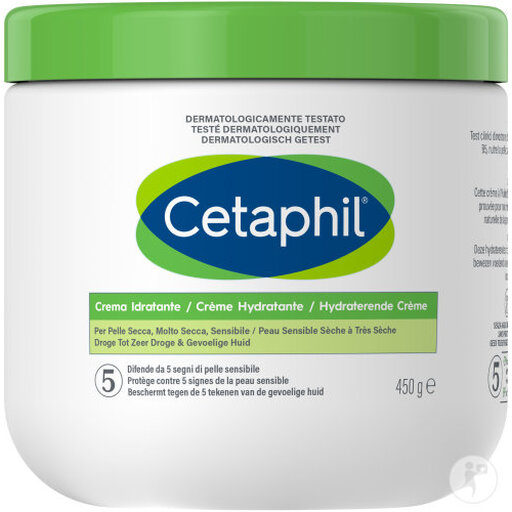
Why this product suits the profile: The large 450-g pack is suitable for regular use and for people who prefer simple, fragrance-free care for the face and body. According to the product information, the formulation is non-comedogenic and intended for dry, sensitive skin.
Its clear focus on dry and sensitive skin helps you avoid choosing a product based solely on trend-led terms. The INCI list includes glycerin, petrolatum, panthenol and niacinamide, among other ingredients.
Large volume, fragrance-free formulation and rich cream texture for daily care.
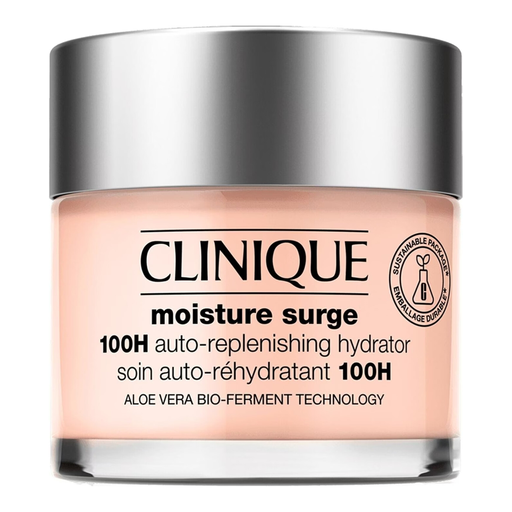
Why this product suits the profile: The oil-free gel cream with aloe vera bio-ferment and hyaluronic acid is designed for lightweight use in the morning, evening or under make-up.
The specified gel cream texture helps you assess whether the product feels right for your skin, rather than focusing solely on a promise of hydration.
75 ml content, oil-free formulation and several hydrating ingredients such as glycerin and sodium hyaluronate.
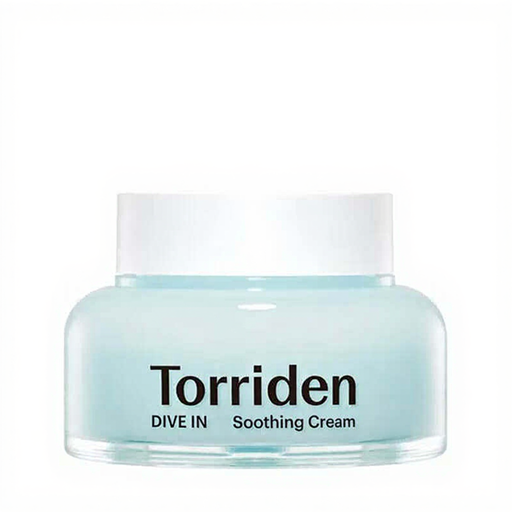
Why this product suits the profile: The 100-ml pack and lightweight, soothing moisturiser are ideal for people who want to follow their routine regularly with a gel-like texture.
The product description lists several forms of hyaluronic acid and recommends applying it after cleansing or toner. This allows you to build up your skincare in thin layers.
100 ml content, lightweight consistency and several declared hyaluronic acid derivatives.
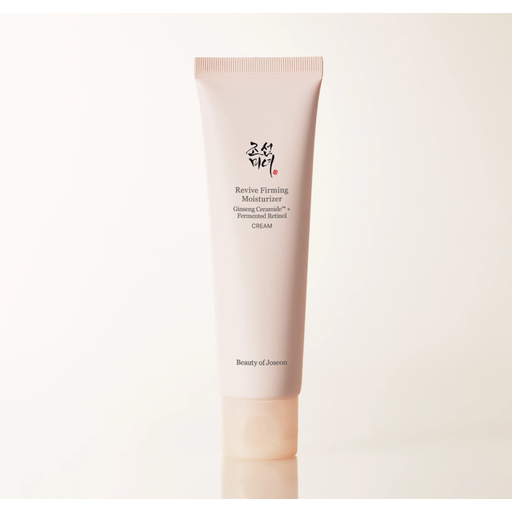
Why this product suits the profile: According to the product information, this Korean face cream combines retinol with ginseng and a lightweight gel cream texture. It is aimed at users looking for a K-Beauty moisturiser with a focus on active ingredients.
The retinol component requires gradual introduction and sun protection during the day. If you do not want to take these factors into account, you should choose a cream with fewer active ingredients.
60 ml content, non-comedogenic according to the product description and a lightweight gel cream texture.
We have put together a complete, regularly updated list of products that fully meet these strict selection criteria and the safety regulations applicable in the EU.
Apply the face cream to cleansed skin. With several products, the order is as follows: lightweight serums or toners come first, followed by the cream as the final skincare step. Apply sun protection in the morning. New products should first be tested on a small area of skin.
Shelf life depends on the expiry date, PAO symbol, storage and dispensing method. Jars may come into greater contact with air and fingers when used frequently; tubes or pump dispensers are more practical in this respect. Store creams in a dry, cool place away from direct sunlight. Changes in smell, colour or consistency indicate that you should stop using the product.
Look for a formulation that is as straightforward as possible, as well as indications such as fragrance-free or suitable for sensitive skin. Fragrances, essential oils and certain combinations of active ingredients may cause problems for some people. If you have known sensitivities, a patch test is advisable.
It is usual to apply it morning and evening after cleansing. If you have dry patches, applying a small additional amount may be helpful. With combination skin, a thin layer may be sufficient, or you may prefer to apply it only to the drier areas.
This depends on the amount of product, how much you use each time and how often you apply it. A 50-ml cream often lasts several weeks to a few months when used daily on the face. Larger packs, such as 100 ml or 450 g, may be more economical for frequent users, provided the texture and skin compatibility are right.