
Lieferung heute & morgen

Qualitätsgarantie

Willkommens-Angebote freischalten: KOSTENLOSE Lieferung | Bis zu 80 % RABATT | Kostenlose 30-Tage-JoyPlus-Testphase
App herunterladen
A good face moisturizer is the foundation of any skincare routine. But the market is overwhelming and saturated with marketing claims. Many products fail to deliver on their promises, leading to disappointment or even skin issues. To avoid wasting your money, it's crucial to know the key criteria for making the right choice.
This guide will help you separate the wheat from the chaff. We'll highlight the most common purchasing pitfalls and explain which objective features you should look for to find a moisturizer that truly suits your skin type and needs.
Before choosing a product, it's helpful to be aware of the typical marketing traps that often lead to a poor purchase.
To make the right choice, you should focus on three core parameters that determine a cream's effectiveness.
An effective moisturizer relies on the interplay of different ingredient groups. It's not enough to just add moisture to the skin; it must also be retained.
A good formulation combines ingredients from these groups to both provide moisture and offer long-term support for the skin barrier.
Texture isn't just about how a product feels; it's an indicator of the formulation and its oil content. The choice should be based on your skin type.
The order of ingredients on the INCI list is critical. They are listed in descending order of concentration. If you're looking for a soothing face cream with Centella Asiatica, that extract should appear as close to the top of the list as possible. The same applies to a cream with hyaluronic acid or an anti-aging cream with peptides. Products from Korean skincare (K-Beauty) are often known for their well-designed formulations with high concentrations of active ingredients.
Based on the criteria above, we have selected a few products for specific requirement profiles.
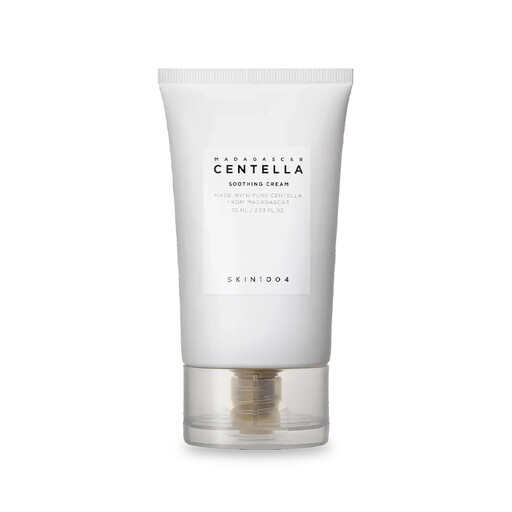
Why It's a Match: This cream is specifically formulated to calm irritation and redness. It's ideal for those with a compromised skin barrier who need gentle yet effective care to restore balance.
The formula doesn't just rely on the soothing Centella Asiatica extract; it strategically combines it with ceramides, cholesterol, and fatty acids—a blend proven to repair and fortify the skin barrier.
Offers a holistic solution that both soothes (Centella Asiatica) and addresses the root cause of sensitivity—a weakened barrier.
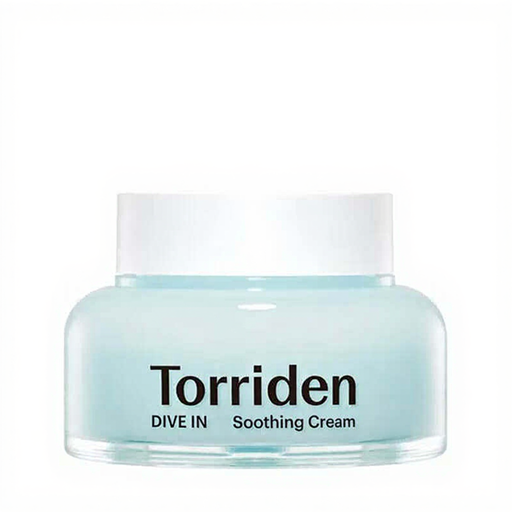
Why It's a Match: Perfect for anyone seeking intense moisture without a heavy or sticky feel. The lightweight gel texture is ideal for normal, combination, or oily skin that is dehydrated.
This cream avoids the trap of a heavy, pore-clogging texture. Its lightweight gel formulation hydrates without weighing down the skin or leaving a greasy film.
The formula contains a 5D complex of low-molecular-weight hyaluronic acid that hydrates the skin on multiple levels, ensuring long-lasting hydration.
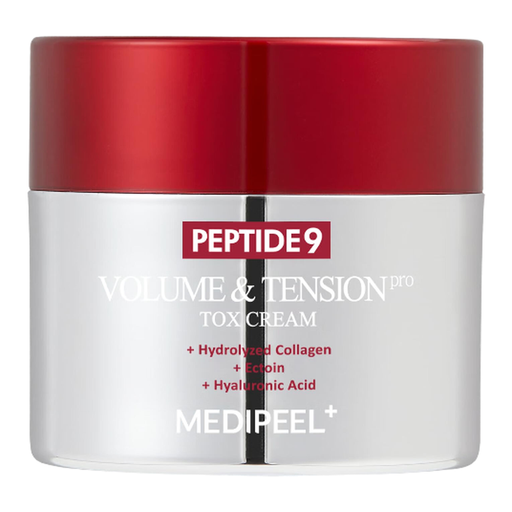
Why It's a Match: This cream specifically targets the needs of mature skin. It's designed to support skin elasticity, soften the appearance of lines, and provide intensive nourishment.
Instead of promoting a single "miracle ingredient," this cream relies on a complex of nine different peptides and collagen. Its effectiveness lies in the synergistic combination of ingredients.
The rich formula delivers a high concentration of peptides, which serve as the building blocks for a firmer, more elastic skin structure. A targeted anti-aging cream.
We've compiled a complete, up-to-date list of products that fully meet these strict selection criteria and all applicable safety regulations.
For most skin types, application twice a day is recommended: in the morning after cleansing and before sunscreen, and in the evening as the final step of your skincare routine. This ensures continuous hydration and protects the skin barrier around the clock.
Yes, in most cases, this is fine. However, some people prefer a lighter texture in the morning that absorbs quickly and creates a good base for makeup, while using a richer cream at night for more intensive regeneration. This depends on your skin's individual needs and your personal preference.
A serum typically has a lighter, more fluid consistency and contains a high concentration of specific active ingredients that target particular skin concerns (e.g., dark spots, wrinkles). A moisturizer is usually richer, and its main job is to hydrate the skin and protect the skin barrier. In a routine, the serum is applied before the moisturizer.