
Lieferung heute & morgen

Qualitätsgarantie

Willkommens-Angebote freischalten: KOSTENLOSE Lieferung | Bis zu 80 % RABATT | Kostenlose 30-Tage-JoyPlus-Testphase
App herunterladen
A moisturizing face gel promises lightweight, refreshing care that absorbs quickly without leaving a greasy film. But the market is filled with products whose marketing claims often suggest more than their ingredient lists deliver. Many consumers invest in a product only to find that it dries out their skin, causes breakouts, or simply doesn't deliver the expected results.
As your Joybuy Product Recommendation Officer, I'm here to help you spot the common pitfalls. Before you make a decision, you should be aware of these three frequent problems:
To find a suitable product that meets your skin's needs, it's helpful to look beyond the front of the packaging. Two parameters are particularly important for making an informed choice.
The term face gel is often used for two completely different product categories. It's crucial to understand the purpose:
Confusing these two categories is a common application error that can lead to skin irritation or a lack of proper care.
The order of ingredients on the INCI list is determined by their concentration. The ingredients that make up the largest portion of the product are listed first. If you're looking for a moisturizing gel for sensitive skin or a face gel for dry skin, hydrating and soothing ingredients like Glycerin, Aloe Barbadensis Leaf Juice (Aloe Vera), Panthenol, or Centella Asiatica Extract should be as high up on the list as possible. For a product aimed at blemish-prone skin, actives like Salicylic Acid or Niacinamide are relevant. If these appear after fragrances or preservatives, their concentration, and therefore their effectiveness, is often questionable.
Instead of making a one-size-fits-all recommendation, we have identified products tailored to specific profiles that avoid the pitfalls mentioned earlier.
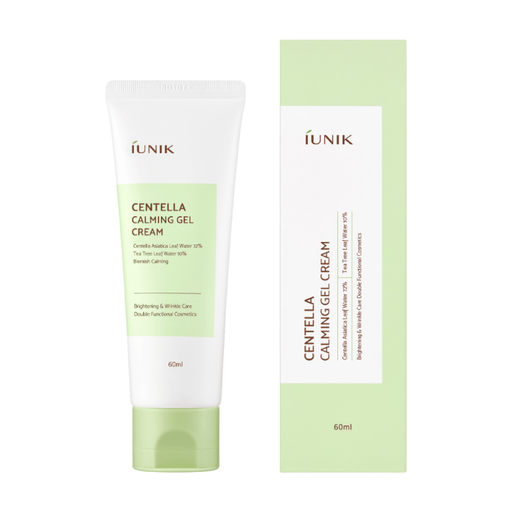
Why This Fits Their Persona: This gel-cream is designed for individuals whose skin reacts quickly to external stressors with redness and irritation. The lightweight texture provides moisture without weighing down the skin or leaving a sticky film, making it ideal for daily use.
Instead of relying on low-dose marketing ingredients, the formula is based on 72% Centella Asiatica Leaf Water and 10% Tea Tree Leaf Water, according to the manufacturer. These ingredients are at the top of the INCI list and are known for their calming properties.
The combination of Centella Asiatica and Tea Tree Water aims to soothe irritation and cool the skin. The formula also contains niacinamide to help brighten the complexion.
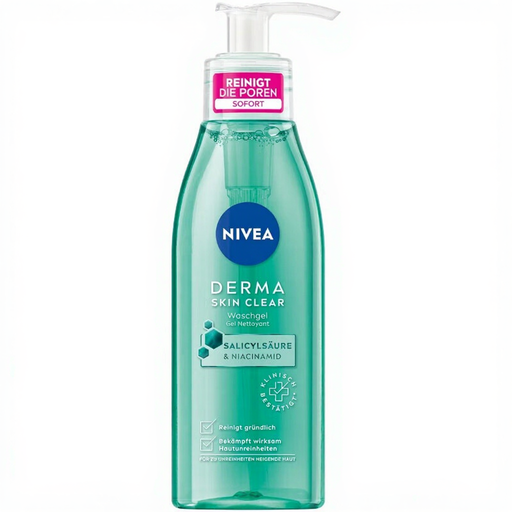
Why This Fits Their Persona: This wash gel is aimed at those looking for an effective yet gentle daily cleansing solution for blemish-prone skin. It is designed to deeply cleanse pores and help prevent new blemishes from forming.
This product is clearly positioned as a cleansing gel, not a moisturizer. It avoids the trap of drying alcohols, instead using a targeted combination of active ingredients to clarify the skin, which is then rinsed off.
The formula combines Salicylic Acid and Niacinamide. Salicylic acid is known for its ability to penetrate pores and clear them of excess sebum, while niacinamide can help regulate sebum production.
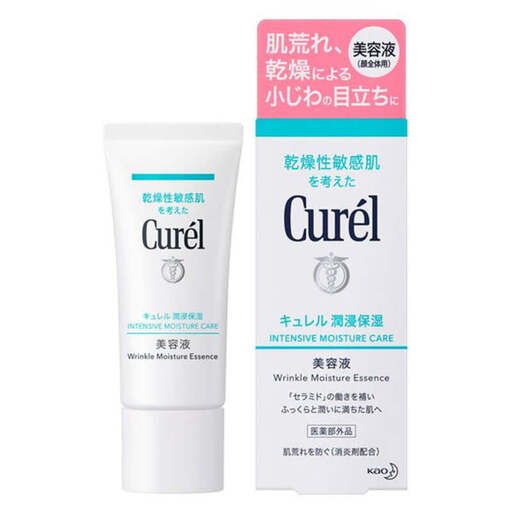
Why This Fits Their Persona: Ideal for individuals with dry and sensitive skin who want intense hydration in a lightweight gel texture. It is formulated to support the skin's barrier and reduce the appearance of fine lines caused by dryness.
This product debunks the myth that only heavy creams can nourish dry skin. It provides intense moisture with ingredients that focus on strengthening the skin barrier rather than just acting on the surface.
According to the manufacturer, the formula contains a ceramide-functional ingredient and eucalyptus extract, which are designed to penetrate deep into the stratum corneum to support the skin barrier. Allantoin also provides skin-soothing benefits.
We have compiled a complete, up-to-date list of products that fully meet these strict selection criteria and comply with current regulations.
1. Can I use a moisturizing gel in the winter? Yes, a moisturizing gel can be used in winter, especially for oily or combination skin. For very dry skin or in extremely cold temperatures, it can be beneficial to apply the gel as a hydrating serum under a richer cream to provide extra protection against moisture loss.
2. What is the difference between a moisturizing gel and a gel-cream? Both have a lightweight texture, but a gel-cream typically contains a small amount of lipid or oil components. This often makes it feel slightly more nourishing than a pure moisturizing gel, which is usually water-based. A gel-cream can be a great option for normal to slightly dry skin, while a pure gel is often preferred by oilier skin types.
3. How do I correctly integrate a cleansing gel into my skincare routine? A cleansing gel is typically the first or second step in your routine. If you wear makeup or sunscreen, a double cleanse is recommended: first, use a cleansing oil or balm to remove oil-based products, and then follow up with the cleansing gel to remove any remaining residue. Apply it to damp skin, massage it in gently, and rinse thoroughly with lukewarm water. Follow with your toner, serums, and moisturizer.