
Lieferung heute & morgen

Qualitätsgarantie

Willkommens-Angebote freischalten: KOSTENLOSE Lieferung | Bis zu 80 % RABATT | Kostenlose 30-Tage-JoyPlus-Testphase
App herunterladen
A face and neck cream is designed to moisturise the face, neck and, in some cases, the décolletage too. At the same time, many products promote benefits such as “lifting”, “firming” or “anti-ageing”. However, these terms do not automatically indicate how well a cream will suit your skin or fit into your daily skincare routine.
If you are looking to buy a neck cream, a firming face cream or a moisturiser for the face and neck, you should focus primarily on the areas of application, texture and ingredients. This helps you avoid disappointing purchases and compare products more effectively.
Terms such as lifting cream or “firming skincare” generally refer to how the skin feels, surface smoothing or its visual appearance. A cream may make the skin feel more supple and temporarily make fine lines caused by dryness appear less visible. However, this does not indicate any lasting change to the skin’s structure.
Oils, shea butter and rich lipids can feel pleasant on dry or mature skin. On combination or oily skin, however, a very heavy anti-ageing cream may feel sticky. The key consideration is therefore not only the advertised skincare effect, but also whether the cream absorbs quickly and can be used alongside sun protection or make-up.
Many face creams are not specifically intended for the neck or décolletage. If you are looking for an anti-wrinkle cream for several areas, look for clear descriptions such as “Face & Neck” or “neck and décolletage cream”. The skin on the neck may benefit from a different texture to the skin on the face, especially if it feels dry or is losing elasticity.
First, check whether the product is intended for the face, neck and décolletage. A small note in the product description can make a significant difference to daily use. The recommended times of day are also relevant:
A sun protection factor does not automatically replace complete sun protection. For example, the Estée Lauder Resilience Multi-Effect Tri-Peptide Face and Neck Cream is listed as having SPF 15. For longer periods outdoors, a separate sun protection product may be necessary depending on the situation.
For dry or mature skin, glycerin, hyaluronic acid or Sodium Hyaluronate, oils, shea butter and ceramides are typical ingredients in a moisturising skincare product. Peptides such as Acetyl Hexapeptide-8, Palmitoyl Tripeptide-1 or Palmitoyl Tetrapeptide-7 are often used in a peptide cream.
However, these ingredients alone are not proof of quality. The order of the INCI list indicates which ingredients are present in the greatest quantities, while the specific effect depends on the formulation as a whole. If you are sensitive to fragrances, you should also look out for terms such as Parfum, Limonene, Linalool or Citronellol.
A 50-ml cream may last for different lengths of time depending on whether it is used daily on the face and neck. If you also apply it to the décolletage, consumption will increase. For this purpose, a 75- or 100-ml product may be more practical.
You should also consider:
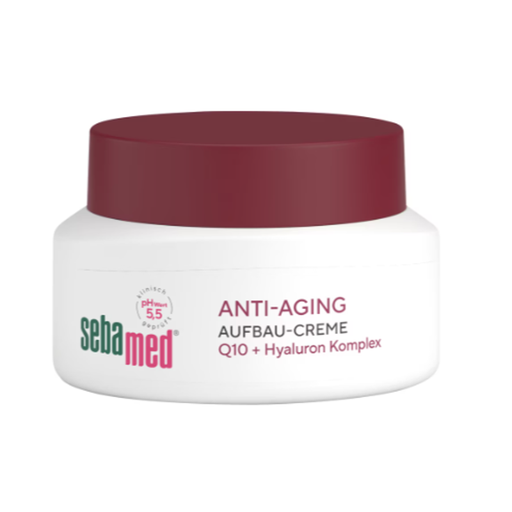
Why this product suits this profile: The cream is intended for use on the face and neck and combines glycerin, almond oil, avocado oil, shea butter, Sodium Hyaluronate and Q10.
The stated area of application helps prevent the neck from being overlooked. The INCI list clearly identifies the nourishing oils and fragrance.
Use on the face and neck, rich oils, shea butter, plus Q10 and Retinyl Palmitate in the stated formulation.
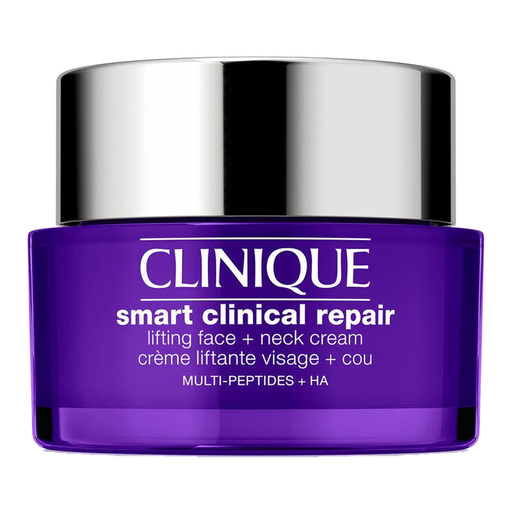
Why this product suits this profile: The cream is intended for use morning and evening on the face and neck. The formula contains Sodium Hyaluronate and several peptides, among other ingredients.
The directions for use explicitly mention the face and neck. This makes it easy to incorporate the cream into one consistent morning and evening routine.
A peptide combination, Sodium Hyaluronate and stated twice-daily use.
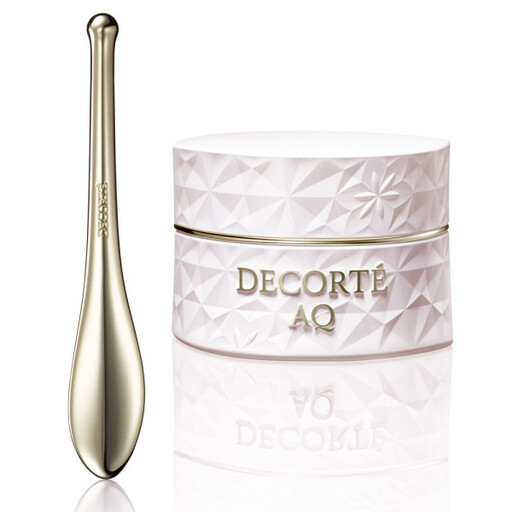
Why this product suits this profile: The 100-ml size is designed for targeted care of the neck and décolletage. According to the product description, a massage spatula is included.
The larger quantity takes into account the higher usage required for the neck and décolletage. The accessory supports even application, but does not replace a guarantee of cosmetic efficacy.
100 ml content, a special focus on the neck and décolletage, plus a spatula included.
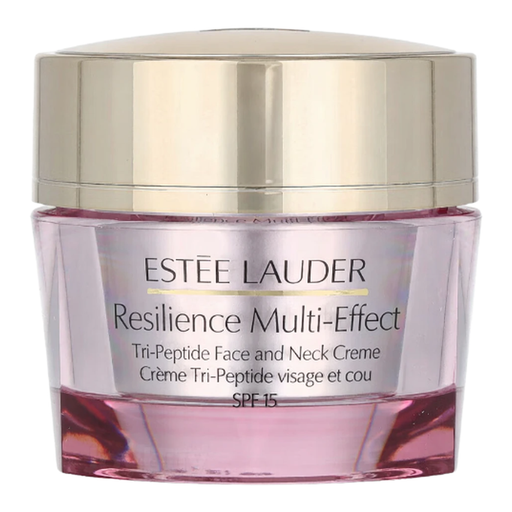
Why this product suits this profile: The rich cream is described as suitable for dry skin and for use on the face and neck. It contains glycerin, Sodium Hyaluronate, shea butter and peptides, among other ingredients.
The product details specify the skin type, area of application and SPF 15. This makes it easier to assess how the cream fits into a morning skincare routine.
Rich lipids, peptides, humectants and a stated SPF 15 for morning use.
We have put together a complete, regularly updated list of products that fully meet these strict selection criteria and the safety regulations applicable in the EU.
Apply a face and neck cream to cleansed skin and massage it in using gentle upward movements. The product description or packaging takes precedence over general application advice. If the product contains retinol, HPR, vitamin A derivatives or acids, introduce it into your routine particularly carefully.
If you have fragrance-sensitive or sensitive skin, it is advisable to carry out a tolerance test on a small area. Do not apply to irritated, damaged or inflamed skin. Stop using the product if you experience burning, redness or a rash.
Only if the manufacturer does not exclude the neck and describes the application accordingly. Products labelled “Face & Neck” are explicitly intended for this area. There should also be a suitable statement if you want to use the product on the décolletage.
This depends on the amount used and the area being covered. When applied to the face and neck, a 50-ml jar may last several weeks. If you also care for the décolletage every day, usage will be higher. A pea-sized amount is a sensible starting point unless the packaging specifies a different quantity.
This depends on the formulation. A cream with SPF is intended for morning use, while products containing retinol or HPR are often used in the evening. A moisturiser without these active ingredient groups can be used morning and evening, depending on the manufacturer’s instructions.