
Lieferung heute & morgen

Qualitätsgarantie

Willkommens-Angebote freischalten: KOSTENLOSE Lieferung | Bis zu 80 % RABATT | Kostenlose 30-Tage-JoyPlus-Testphase
App herunterladen
A face night cream should suit your skin, personal skincare routine and desired results. However, bold claims such as “visibly younger-looking”, “instantly regenerating” or “for all wrinkles” do not automatically lead to the right purchasing decision. What really matters is the ingredients, texture, skin compatibility and correct application.
This buying guide will help you assess marketing claims objectively and choose targeted night care for dry, mature, sensitive or wrinkle-prone skin.
A particularly thick or oily cream may initially feel pleasant. However, if it contains fragrances or potentially irritating ingredients, it is not automatically suitable for sensitive skin. Very rich formulations can also feel heavy on combination or blemish-prone skin.
An anti-ageing night cream can focus on very different areas: hydration, supporting the skin barrier, a smoothing skin feel or care with retinol alternatives. You should therefore check the full ingredients list and application instructions. A face cream for wrinkles is not a substitute for medical treatment and cannot permanently remove visible signs of ageing.
A night serum is usually formulated to be lighter and is often used beneath a cream. A face night mask, on the other hand, is typically applied as the final, occasional step in your skincare routine. Combining several intensive products can put unnecessary strain on your skin. A simple routine is often easier to assess and more consistent to follow.
For dry skin, glycerine, hyaluronic acid, squalane, shea butter or panthenol are often relevant ingredients in a hydrating night cream. They can help your skin feel smoother and appear less dry.
For a skin barrier repair cream, ceramides, squalane, glycerine and skin-conditioning lipids are among the ingredients worth considering. If you have sensitive skin, it is also worth checking for perfume, essential oils and declared fragrance allergens such as limonene, linalool or citronellol.
A retinol night cream or a product containing pro-retinol should be introduced into your routine gradually. Retinoids can make your skin more sensitive to sunlight. That is why your daytime routine should include sun protection with sufficient UVA and UVB protection. If redness, stinging or persistent irritation occurs, discontinue use.
Bakuchiol, niacinamide, adenosine and peptides are also frequently used in skincare products for mature skin. Their specific function depends on the complete formulation and concentration. Claims such as “collagen night cream” do not automatically indicate demonstrable new collagen production in the skin.
Check the following before buying:
A night cream should generally be applied to cleansed, dry skin. When using several products, the usual rule is: apply the lighter texture first, followed by the cream. New formulations can initially be tested on a small area of skin.
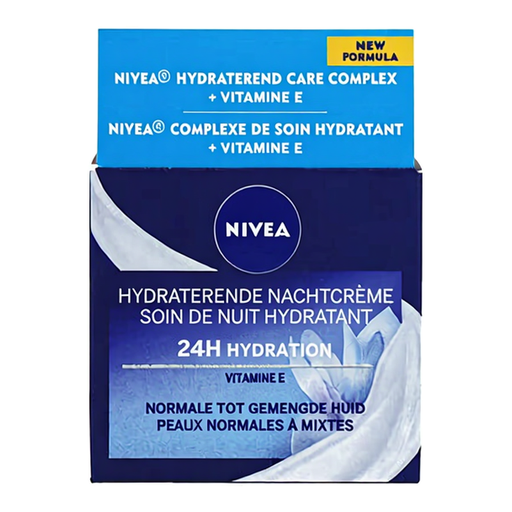
Why this product suits this profile: The cream is designed for evening care of the face, neck and décolletage, and contains ingredients including glycerine, shea butter and panthenol.
The straightforward formulation makes it easier to start a regular night-time skincare routine without having to combine several active-ingredient products.
50 ml contents; glycerine, shea butter and panthenol are included in the stated INCI list.
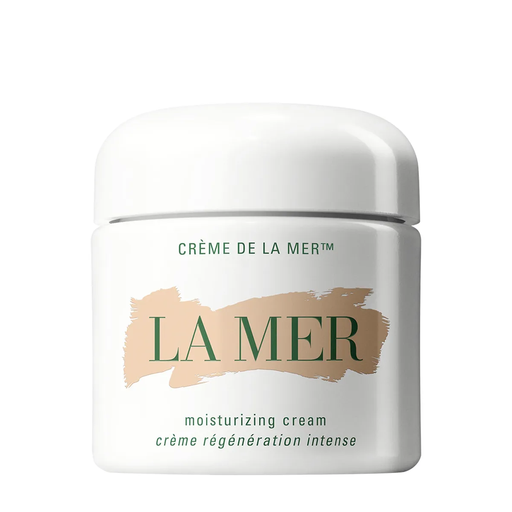
Why this product suits this profile: The very rich texture and 100-ml size are aimed at people who prefer intensive, luxurious face care.
The product description specifies a particular application method: warm the cream between your fingertips, then press it into the skin.
According to the product description, the formula contains ingredients including algae extract, glycerine, petrolatum and mineral oil.
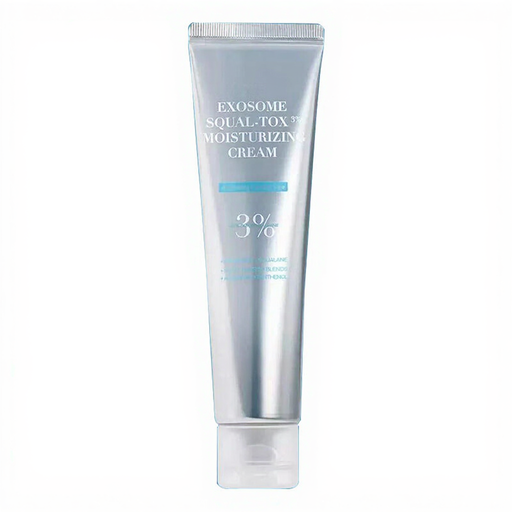
Why this product suits this profile: According to the product information, the cream can be used morning and evening, making it suitable for a streamlined, versatile skincare routine.
Clearly named key ingredients make the choice easier to assess than vague claims about “repair” without INCI information.
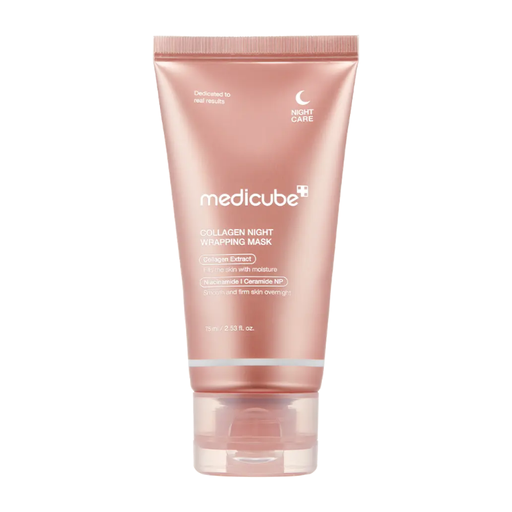
Why this product suits this profile: The overnight mask is used as the final step in your evening routine two to three times a week or as needed.
The recommended limited frequency prevents a rich night mask from automatically being combined daily with other intensive products.
75 ml contents; according to the product information, with hydrolysed collagen, glycerine, niacinamide and panthenol.
If you have sensitive or mature skin, avoid starting several new active ingredients at the same time. This makes it easier to identify which product your skin tolerates.
We have put together a complete, regularly updated list of products that fully meet these strict selection criteria and the safety regulations applicable in the EU.
Look for hydrating and replenishing ingredients such as glycerine, squalane, shea butter, panthenol or hyaluronic acid. A rich texture can be beneficial, but it should be free from ingredients that you are sensitive to.
The PAO symbol on the packaging is the key reference point, such as an open jar symbol showing a number of months. Keep the cream closed, dry and protected from direct sunlight. If its smell, colour or consistency changes, it should no longer be used.
Yes, provided both products are compatible with your skin. Apply the more fluid serum first, followed by the cream. With retinol, acids or other active ingredients, gradual introduction is advisable. If irritation persists, pause your routine and seek dermatological advice if necessary.