
Lieferung heute & morgen

Qualitätsgarantie

Willkommens-Angebote freischalten: KOSTENLOSE Lieferung | Bis zu 80 % RABATT | Kostenlose 30-Tage-JoyPlus-Testphase
App herunterladen
Face pads and exfoliating pads combine several skincare steps in one format. You can use them as a toner, a quick hydrating mask or an exfoliating treatment. But the number of pads or a bold claim about active ingredients shouldn’t be your only considerations. Your skin type, acid concentration, pad material and intended use all matter when choosing the right product.
Many products look similar at first glance, but their purpose and intensity can vary considerably. These three pitfalls are especially likely to lead to the wrong choice:
“Refines pores” is taken to mean pores will stay smaller. Pores can look more visible because of excess sebum, dead skin cells or residue. A pad can cleanse or exfoliate the skin’s surface, but it can’t permanently change the anatomical size of your pores.
A higher concentration of active ingredients is automatically seen as more effective. AHA, BHA and PHA products differ in how they’re used and how they feel on the skin. Combining several exfoliating products can cause tightness, dryness or redness. This also applies to retinol pads and other active formulas.
60 pads don’t always mean 60 equivalent uses. Some products are designed for one pad per full-face application, while others are used on specific areas or as a quick mask. The thickness of the material, the amount of essence it holds and how securely the lid closes also affect how practical a product is.
For everyday basic skincare, facial toner pads with hydrating or soothing ingredients are a good option. These may include glycerin, betaine, panthenol, hyaluronic acid or algae extracts. They won’t necessarily suit every skin type, but they can be a simple addition to your routine after cleansing.
If you have blemish-prone or oily skin, you may often find yourself looking for AHA, BHA and PHA pads. AHA is generally associated with the skin’s surface, while BHA and related salicylic acid derivatives are associated with areas containing more sebum. PHA is often presented as a milder group of acids. However, how well a product suits you depends on its formula, concentration and frequency of use.
Retinol pads belong to a different category of active ingredients. Check the full INCI list before using them alongside acid pads. If you’re looking for a facial exfoliator for sensitive skin, it’s best to start slowly and do a patch test first.
An embossed pad can provide more physical exfoliation. If your skin is dry, sensitive or prone to redness, a soft material that creates little friction is often more practical. Dual-texture pads with one textured side and one smooth side offer different ways to use them, but you should glide them over your skin without applying pressure.
Gel pads tend to cling more firmly to the skin, making them better suited to placing on specific areas of the face. Collagen gel pads for the eye area are one example. They’re not the same as a traditional facial toner or an all-over facial exfoliator.
The number of pads, such as 60 facial skincare pads or 70, only tells you so much without the net weight and recommended frequency of use. A tightly closing lid helps prevent the pads from drying out. Always check the current ingredient list on the packaging, as formulas and labelling can change.
If a product contains AHA, BHA, PHA or retinoids, a daily sunscreen should also be part of a cautious skincare routine. Avoid exfoliating products if your skin is broken, irritated or sun-exposed.
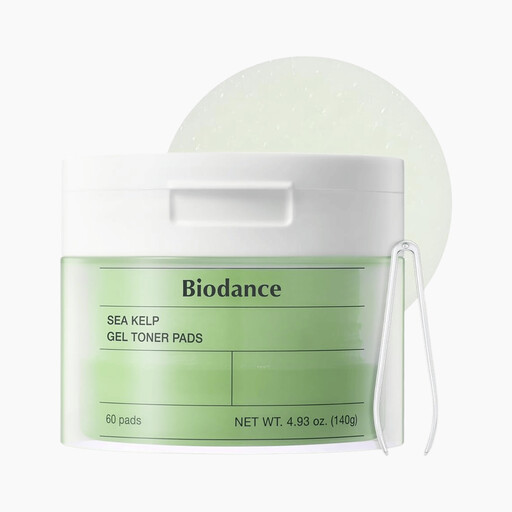
Why it suits this profile: These essence-soaked gel pads are designed for use as a toner or a quick hydrating mask, making them easy to add to your morning or evening routine.
The product description clearly states that the pads can be used as a toner or applied to specific areas as a mask, rather than relying solely on a claim about pores.
60 pads, 140 g of product and a gel texture featuring Laminaria Digitata water, according to the product details.
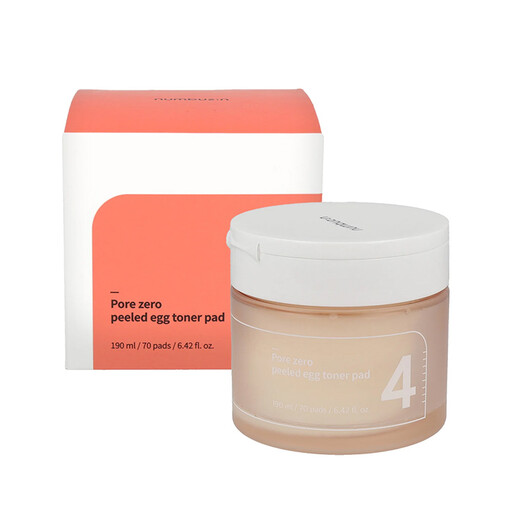
Why it suits this profile: If you’re looking for an exfoliating pad for oily areas or areas where pores are more visible, this product has a clearly stated PHA and LHA formula.
The product details list the active ingredient groups, number of pads and that the formula is fragrance-free. Even so, avoid overusing it.
70 pads, a fragrance-free product claim, and PHA, LHA, betaine and sodium hyaluronate in the listed formula.
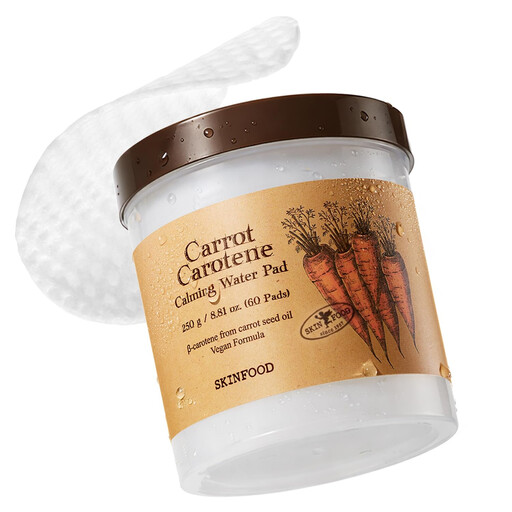
Why it suits this profile: The thick cotton pads can be split and placed on your cheeks or other areas. This makes them a flexible option for dry or redness-prone skin.
The option to use the pads as a quick mask and the material are clearly described, so the number of pads isn’t the only factor to consider.
250 g of product, 60 split-able cotton pads, plus glycerin, beta-glucan and allantoin, according to the product description.
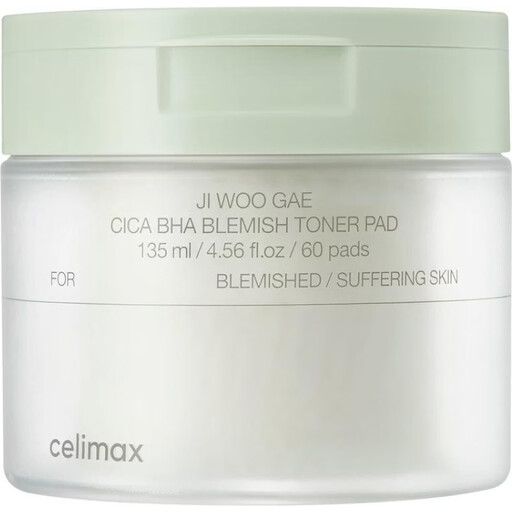
Why it suits this profile: For targeted use on your T-zone or specific areas of your face, this pad combines Centella asiatica extract with a BHA derivative.
The product details suggest daily use or use several times a week as needed. You should still check how your skin responds gradually.
60 pads, a gentle application, Centella asiatica and capryloyl salicylic acid, according to the listed ingredients.
We’ve put together a complete, regularly updated list of products that meet these strict selection criteria and fully comply with the safety regulations in force in the EU.
Hydrating toner pads may be suitable for daily use, depending on the product. Exfoliating face pads with AHA, BHA or PHA are often recommended for use only a few times a week. Always follow the instructions and pay attention to how your skin reacts.
It depends on the active ingredients, concentration, fragrance and pad surface. If you have sensitive skin, choose a pad that creates little friction and introduce it gradually. Avoid exfoliating your face if your skin is irritated or damaged.
If you use one pad a day, a container of 60 pads will last for about two months. If you use a pad only two or three times a week, or on specific areas, the product will last longer. After opening, also follow the packaging instructions on shelf life and storage.