
Lieferung heute & morgen

Qualitätsgarantie

Willkommens-Angebote freischalten: KOSTENLOSE Lieferung | Bis zu 80 % RABATT | Kostenlose 30-Tage-JoyPlus-Testphase
App herunterladen
Face patches are a handy way to focus your skincare routine on a small area of skin. Depending on the product, they’re designed for the eye area, individual blemishes or the whole face. But eye-catching packaging and bold claims don’t tell you whether a patch will actually suit your needs in everyday life.
Three common pitfalls can lead to disappointing purchases:
Hydrocolloid patches, such as pimple patches or acne patches, are applied directly to individual, cleansed areas of skin. The material can absorb fluid and protect the area from friction, contact and external irritants. Depending on the product, you may be able to leave it on for several hours. However, a hydrocolloid patch is not a substitute for dermatological treatment if you have severe or recurring acne.
Eye patches and hydrogel eye patches sit under the eyes and release a cosmetic skincare formula while you wear them. They’re mainly designed to hydrate the skin and leave it feeling temporarily refreshed. Claims such as ‘eye patches for dark circles’ or ‘eye patches for puffiness’ should be understood as descriptions of their intended skincare benefits, not a guarantee that they’ll get rid of these concerns.
Eye masks may be made in a similar way, but depending on their shape, they can cover a larger area. If you prefer Korean or Japanese skincare, also check the product’s origin, directions for use and labelling.
For pimple patches, thickness, transparency and adhesion are key. A thin, semi-transparent patch is less noticeable during the day and may be easier to wear with make-up. Sizes of around 9 to 12 millimetres suit blemishes of different sizes. The patch should stick to clean, dry skin; cream or oil underneath may reduce adhesion.
For eye patches, fit matters. A curved or winged shape may sit more comfortably around the eye area and upper cheeks. With hydrogel products, it’s also worth checking whether a spatula is provided for hygienic removal and how long you should leave the patches on.
Hydrating formulas often contain glycerin, hyaluronic acid, betaine or panthenol. Niacinamide, caffeine, adenosine and peptides are used in many products for cosmetic care of the eye area. If you have sensitive skin, take a closer look at fragrance, alcohol, essential oils, retinoids and plant extracts.
Before using a patch for the first time, it’s a good idea to test it on a small area of skin. Don’t apply patches to open wounds, severely irritated skin or directly to your eyes. Stop using the product if you experience redness, itching or a burning sensation.
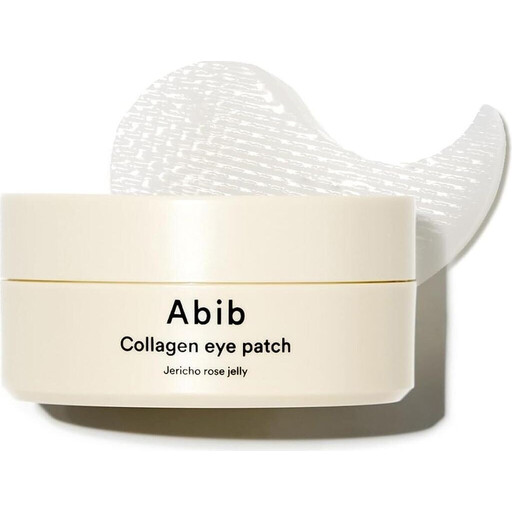
Why this product suits these needs: These hydrogel eye patches have a set wear time and a formula that includes glycerin, niacinamide and sodium hyaluronate.
The product page advises checking the current ingredients list on the packaging. This helps you avoid relying solely on older information online.
60 patches; the product details recommend leaving them on for 20 to 30 minutes; country of origin: Republic of Korea.
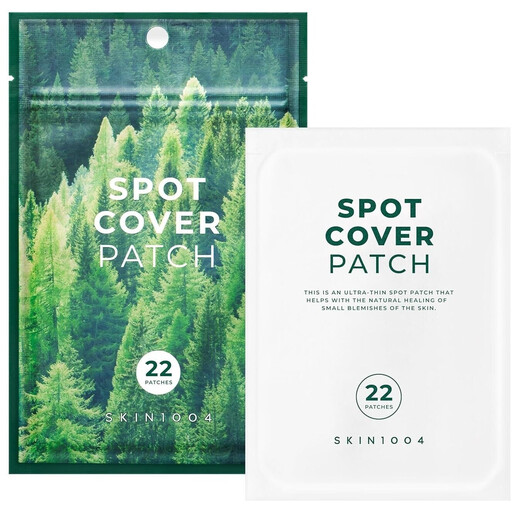
Why this product suits these needs: The pack includes two sizes, making it a handy choice if you regularly want to cover individual blemishes – at home, on the go or under make-up.
The product details specify the material, dimensions and how often to replace the patches. This makes it easier to tailor how you use them to the time of day and area of skin.
22 patches in 10 × 12 mm and 10 × 10 mm; semi-transparent hydrocolloid material described as waterproof.
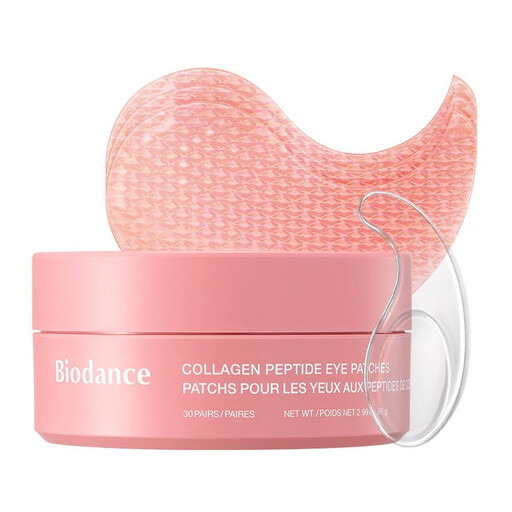
Why this product suits these needs: These hydrogel patches are designed to hydrate the eye area for a limited time and contain glycerin, niacinamide, caffeine and hyaluronic acid, among other ingredients.
The recommended wear time of 20 to 30 minutes and use of the supplied spatula are clearly stated, helping you maintain a hygienic routine.
30 patches; diamond gel texture according to the product description; spatula included.
We’ve put together a complete, regularly updated list of products that meet these strict selection criteria and fully comply with the safety regulations in force in the EU.
Depending on the product, hydrocolloid patches are usually changed after several hours, or when they become visibly lighter or saturated. Eye patches are generally intended for single use. Always follow the information on the packaging and product page.
Eye patches can temporarily hydrate the eye area and make it look fresher. However, dark circles can have a range of causes. Cosmetic patches can’t be guaranteed to make a lasting difference.
The terms are often used interchangeably by retailers. A basic hydrocolloid patch protects an individual area and can absorb fluid. Products with additional ingredients such as salicylic acid or tea tree oil have a different formula, so it’s especially important to check that they’re suitable for your skin. If you have inflamed, painful or recurring skin problems, it’s a good idea to seek dermatological advice.