
Lieferung heute & morgen

Qualitätsgarantie

Willkommens-Angebote freischalten: KOSTENLOSE Lieferung | Bis zu 80 % RABATT | Kostenlose 30-Tage-JoyPlus-Testphase
App herunterladen
A clear, even complexion is a common skincare goal. A face peel is often recommended as a solution for refining skin texture, combating blemishes, and brightening a dull complexion. But the market is overwhelming and filled with products that promise quick miracles. Choosing the wrong product can be more than just ineffective—it can actually irritate your skin.
As your Joybuy Product Recommendation Officer, I'm here to help you understand the key criteria for making an informed decision. We'll shed light on the most common pitfalls and show you what really matters when choosing a product.
Many purchasing decisions are based on marketing promises that don't always deliver. Two points in particular often lead to disappointment:
To find the right product, you should focus on objective features. The following three points are essential for making an informed choice.
The most fundamental distinction lies in their mechanism of action.
With a chemical peel, the active ingredient is paramount. The three main groups are:
The texture and application format determine how a product fits into your skincare routine.
Based on these criteria, we have curated a selection of products suitable for different needs and skin types.
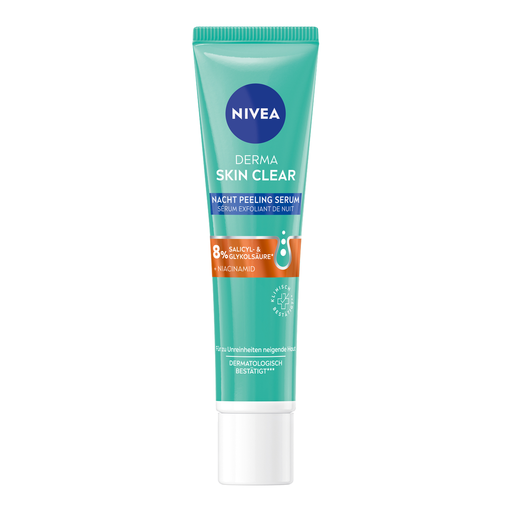
Why This Fits Their Persona: This exfoliating serum is ideal for individuals who want to target blemishes but are new to chemical peels. The combination of salicylic acid (BHA) and glycolic acid (AHA) at a total concentration of 8% is effective but not overwhelming. Niacinamide also provides a soothing and regulating effect.
It bypasses the "suitable for all skin types" trap by being clearly positioned for blemish-prone skin and featuring a moderate concentration appropriate for beginners.
Easy to use as a leave-on night serum. It supports the skin's own renewal process and helps prevent new blemishes.
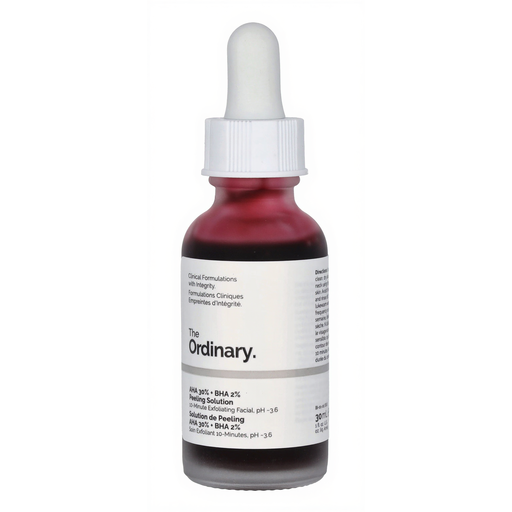
Why This Fits Their Persona: This highly concentrated peeling solution is designed for experienced users of acid peels who are looking for an intensive treatment to improve skin texture and radiance. The combination of 30% AHA and 2% BHA effectively targets uneven skin tone and clogged pores.
The product avoids the "stronger is better" fallacy through clear communication: it is designed as a short-contact mask (10 minutes max) and is not suitable for daily use or for beginners.
A high-potency formula for a weekly intensive treatment. When used correctly, it delivers a significant refinement of the skin's appearance.
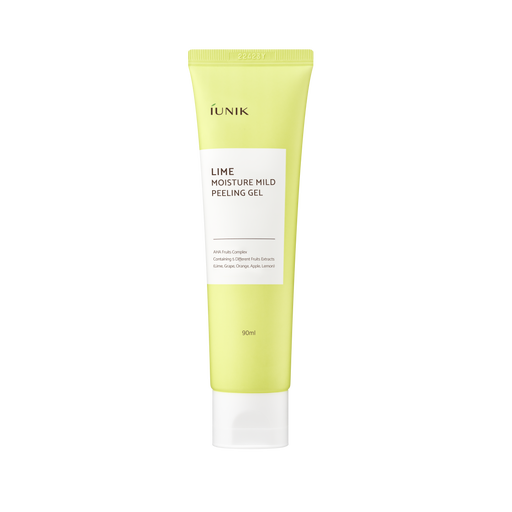
Why This Fits Their Persona: This gommage peel is an excellent choice for individuals with sensitive skin who want gentle exfoliation. It works with plant-based cellulose that buffs away dead skin cells without aggressive acids or harsh abrasive particles. Fruit extracts and Centella Asiatica provide additional soothing and hydrating benefits.
It is a true alternative to irritating peels, as it relies on a mild mechanical action while also containing nourishing ingredients. It truly delivers on the promise of being "gentle."
Removes dead skin cells without the potential for irritation. Leaves the skin feeling smooth and hydrated.
We have compiled a complete, up-to-date list of products that fully meet these strict selection criteria and German safety regulations.
The frequency of use depends heavily on the product and your skin type. Mechanical peels and gentle gommage gels can be used 1-2 times a week. Mild chemical peels (e.g., serums) are often designed for daily or every-other-night use. In contrast, highly concentrated exfoliating masks should only be used once a week or even less frequently. Always follow the manufacturer's instructions and monitor how your skin reacts.
Yes, absolutely. Chemical peels, especially those with AHAs, make the skin more sensitive to light (photosensitive). Applying a broad-spectrum sunscreen with a high SPF (at least 30, preferably 50) the day after application and for the following week is essential to prevent sun damage and dark spots. This applies even on cloudy days.
In a nutshell: