
Lieferung heute & morgen

Qualitätsgarantie

Willkommens-Angebote freischalten: KOSTENLOSE Lieferung | Bis zu 80 % RABATT | Kostenlose 30-Tage-JoyPlus-Testphase
App herunterladen
A face peeling cream can loosen dead skin cells, make the skin’s surface appear smoother and prepare it for subsequent skincare. However, not every face peel is suitable for every skin type. If you focus only on terms such as “Radiance”, “Deep Cleansing” or “Professional”, you can easily end up buying a product that is too harsh, too heavily fragranced or unsuitable for your routine.
A strong scrubbing sensation does not automatically mean more thorough cleansing. Coarse or uneven particles can feel uncomfortable on sensitive or already irritated skin. With a mechanical face peel, the type and size of the particles, as well as the recommended massage time, are therefore important details.
A chemical face peel may contain lactic acid, mandelic acid, gluconolactone or other exfoliating ingredients, for example. If these products are used at the same time as additional acids, retinoids or highly cleansing products, the skin may react more strongly. A quick INCI check and a gradual introduction are advisable.
“For all skin types” says little about how a product should actually be used. The key details are the application time, frequency, whether the product should be rinsed off or removed, and any warnings. Some products are intended for use once or twice a week, while others are used as an evening treatment. The instructions on the product packaging remain the deciding factor.
There are three basic varieties:
For dry skin, glycerin, shea butter, plant oils or other humectants may also be of interest. For a face peel for sensitive skin, the formula should ideally be straightforward. Fragrance is not proof of quality and can be an important consideration for sensitive skin.
A face peel for dry skin should not only exfoliate but also be suited to the skincare that follows. If your skin feels tight, a rich, fragrance-free or gentle moisturiser is often more sensible than frequent exfoliation.
Caution is advised for blemish-prone skin: a face peel for blemishes should not be applied to open, inflamed or severely irritated areas. A peel is not a substitute for dermatological treatment. If symptoms persist or significant irritation occurs, seek medical advice.
Before buying, check the following:
Among other requirements, cosmetic products sold in the EU must comply with the provisions of the EU Cosmetics Regulation. This does not mean that every product will suit every person. Your individual skin reaction and the product labelling remain decisive.
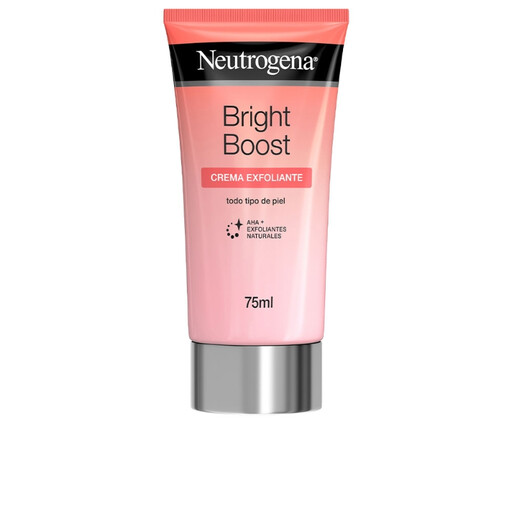
Why this product suits the profile: The cream combines mechanical and chemical exfoliating ingredients, while the 75 ml size is designed for regular facial skincare.
The product details list mandelic acid and gluconolactone, along with clear instructions to use it once or twice a week. The warning about increased sensitivity to sunlight should be observed.
75 ml contents; also contains glycerin, panthenol and a vitamin E derivative.
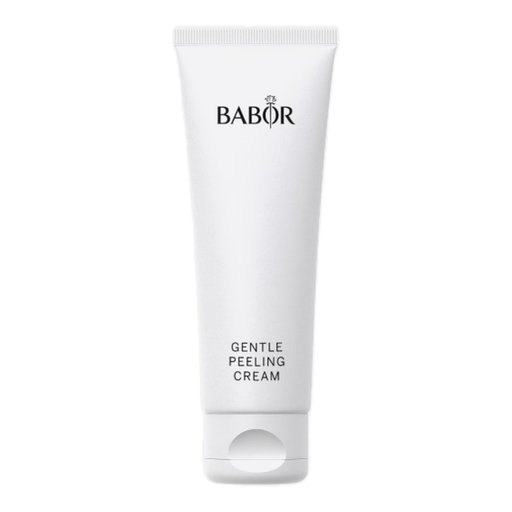
Why this product suits the profile: According to the product description, the formula is aimed at dry and sensitive skin and uses jojoba wax and cellulose as exfoliating particles.
The instructions specify using it once or twice a week and massaging for two to five minutes. The eye and lip areas, as well as irritated skin, should be avoided.
Contains shea butter, almond oil, glycerin, vitamin E and a Lactobacillus ferment.
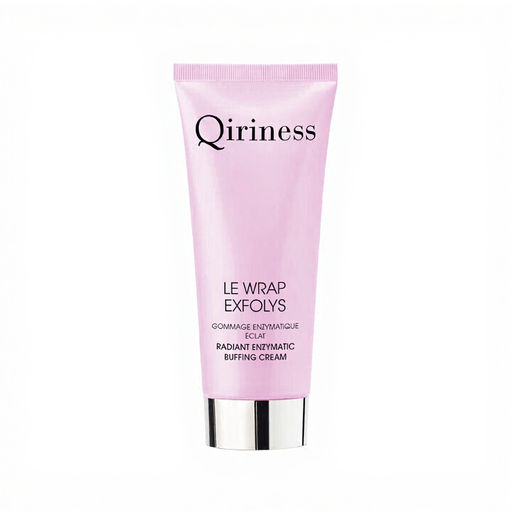
Why this product suits the profile: The product combines enzymatic and mechanical elements and is intended for use once or twice a week.
The manufacturer’s information describes a short two-minute application time. For sensitive skin, it recommends applying a thicker layer and then rinsing without intensive massage.
75 ml contents; according to the product description, at least 92 per cent of the ingredients are of natural origin.
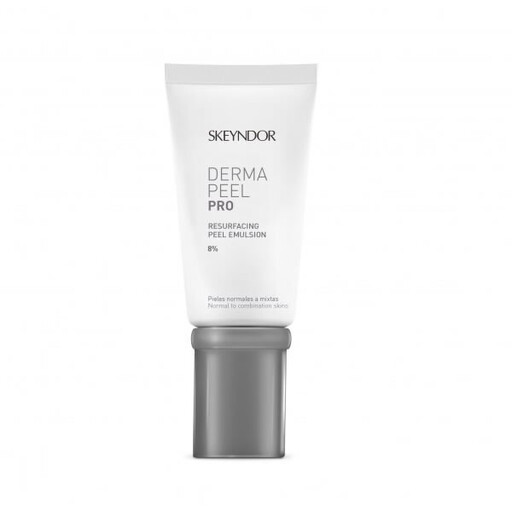
Why this product suits the profile: The product description states that it is aimed at dry to very dry skin and lists lactic acid and liposomes.
The instructions specify an application time according to the packaging and advise avoiding the eye area and sensitive areas.
50 ml tube; lactic acid as an exfoliating ingredient and liposomes, according to the product description.
We have put together a complete, regularly updated list of products that fully meet these strict selection criteria and the safety regulations applicable in the EU.
A gentle face peel is not defined by a single buzzword. Skin type, particles, type of acid, fragrance, application time and frequency of use all need to be considered together. For dry skin, a nourishing cream base may be relevant; with sensitive skin, mechanical stress should be kept as low as possible.
Many products are intended for once or twice a week. Acid-based formulas may have their own instructions. If you have dry or sensitive skin, start less frequently and do not automatically increase how often you use the product. The instructions on the packaging are the deciding factor.
This depends on the product and the condition of your skin. A peel should not be used on active, open or inflamed blemishes unless the product information states otherwise. A face peel can remove flakes of skin from the surface, but it is not a substitute for treating acne or other skin conditions.
The shelf life is stated on the packaging. It is often shown by an open-jar symbol with a number of months. For example, Babor states that the product should be used within twelve months of opening. Its smell, colour and consistency should not change noticeably; if in doubt, stop using the product.