
Lieferung heute & morgen

Qualitätsgarantie

Willkommens-Angebote freischalten: KOSTENLOSE Lieferung | Bis zu 80 % RABATT | Kostenlose 30-Tage-JoyPlus-Testphase
App herunterladen
Dull, rough or uneven skin can have many causes. A face peel removes superficial dead skin cells, helping the complexion appear smoother. To prevent redness, tightness or unnecessary expense when using a peel at home, the active ingredient, concentration, application time and frequency of use should all be suitable for your skin.
Not every chemical face peel is designed for the same purpose:
A concentration alone does not indicate how well a product will be tolerated. pH value, acid combination, application time, formulation and frequency of use are also important. A fruit acid face peel should therefore not be chosen solely on the basis of the highest percentage.
For sensitive or acne-prone skin, it is advisable to start cautiously: test the product on a small area of skin first, follow the instructions and do not combine several acid products on the same evening.
AHA, BHA and PHA products can make the skin more sensitive to sunlight during use. During the day, sun protection with a sufficiently high SPF is advisable. Do not apply peels to damaged, sunburnt or severely irritated skin. If burning, a rash or pronounced redness persists, stop using the product and seek medical advice if necessary.
If you want to refine the appearance of pores or remove dead skin cells, check the complete INCI list. For a peel for pigmentation, AHA, mandelic acid or complementary ingredients such as niacinamide may be relevant. These cosmetic products can help improve the appearance of uneven skin; they are not a medical treatment for pigmentation disorders.
For an anti-ageing peel, controlled use and good basic skincare are more important than choosing an especially intensive product. For dry skin, moisturising ingredients such as glycerine or hyaluronic acid may be worthwhile, while fragrances and essential oils are additional points to check if you have sensitive skin.
A peel for radiant skin is only practical if the routine fits your schedule. Options include:
The instructions on the relevant product packaging take priority. Using a product more frequently does not automatically result in a more even-looking complexion.
Before buying, check the contents, batch number, best-before date or PAO symbol, and storage instructions. For products with a brush, dropper or ampoule, it is also important to know whether the dosage can be measured hygienically and precisely. The product description should be checked against the actual packaging, as formulations or usage instructions may change.
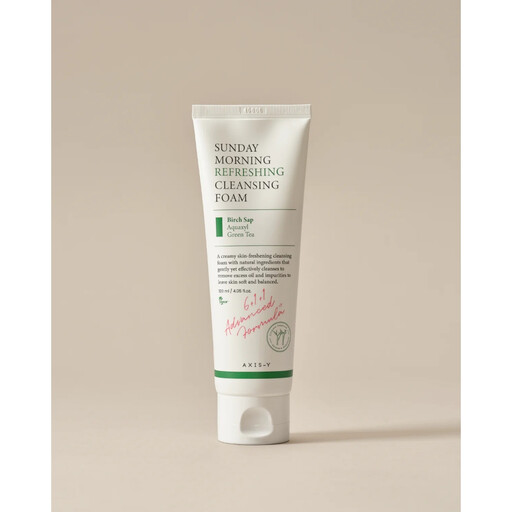
Why this product suits the profile: According to the product information, the rinse-off gel contains 10% gluconolactone and is designed as a gentle introduction to PHA peeling. The 10- to 15-minute application time is easy to fit into an evening routine.
The clearly stated acid type and application time make the product easier to use correctly than choosing based solely on promotional promises of a glowing complexion.
10% gluconolactone according to the product information; gel-water texture; with glycerine and plant extracts.
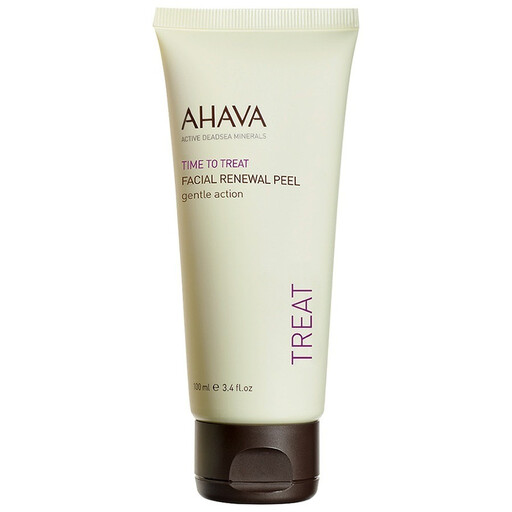
Why this product suits the profile: According to the product information, the creamy formula combines glycolic acid, lactic acid and salicylic acid with Dead Sea water. It will appeal to shoppers looking for several types of acid in one rinse-off product.
The recommended leave-on time starts at just a few minutes for the first application. This makes it possible to assess skin tolerance gradually.
AHA and BHA combination; use once or twice a week; 100 ml contents.
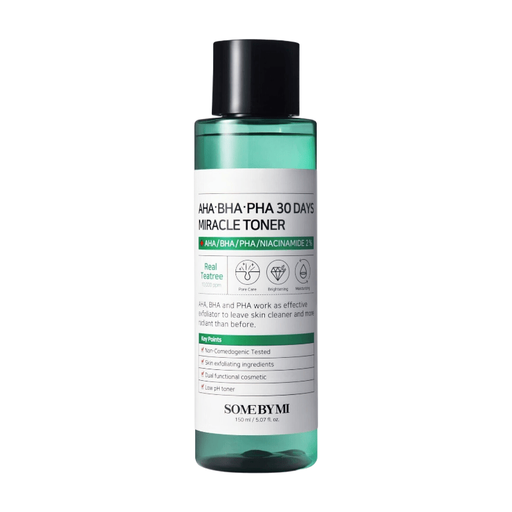
Why this product suits the profile: The toner is designed for a regular skincare routine and contains AHA, BHA and PHA according to the INCI list. Its lightweight texture is practical for oily or uneven skin, while sensitive skin should be introduced to it particularly gradually.
The INCI list identifies all three acid groups. This makes it easier to check whether the product fits with the other products in your routine.
Watery toner texture; 150 ml contents; AHA, BHA and PHA in one formula.
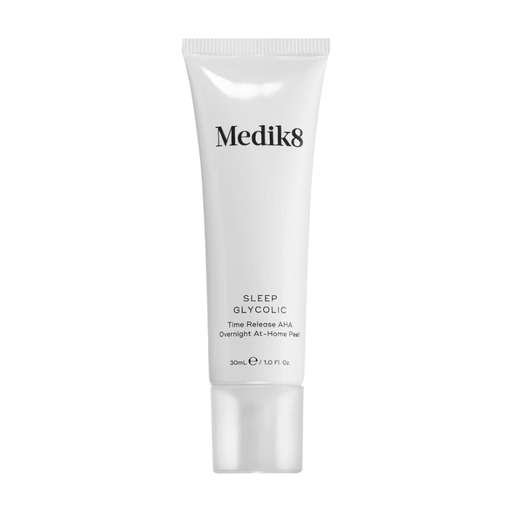
Why this product suits the profile: According to the product information, this leave-on peel is used twice a week in the evening. The small dosage and fixed frequency suit users who prefer a clearly defined routine.
Use is limited to twice a week. This reduces the risk of using a leave-on product every day out of habit.
Glycolic acid as the key peeling active; no rinsing required according to the instructions; evening use.
We have put together a complete, regularly updated list of products that fully meet these strict selection criteria and the safety regulations applicable in the EU.
A strong AHA and BHA peel, such as a highly concentrated Peeling Solution, should not be combined with additional acids, retinoids or highly irritating active ingredients unless the product information states otherwise.
This depends on the type of acid, concentration and how well your skin tolerates it. Many rinse-off products are intended for use once to three times a week, while some toners can be used more frequently. The manufacturer’s instructions are the deciding factor. For sensitive skin, it is advisable to start with infrequent use and longer breaks between applications.
A low frequency of use, a controllable product and a short initial application time are important criteria. PHA formulas may be an option. Check fragrances, essential oils and multiple acids against the INCI list. If severe or persistent irritation occurs, stop using the product.
The specific expiry date and PAO symbol on the packaging are decisive. Use opened products in accordance with this information, keep them tightly closed and store them away from heat and direct sunlight. A change in colour, an unusual smell or a separated texture are signs that you should stop using the product.