
Lieferung heute & morgen

Qualitätsgarantie

Willkommens-Angebote freischalten: KOSTENLOSE Lieferung | Bis zu 80 % RABATT | Kostenlose 30-Tage-JoyPlus-Testphase
App herunterladen
Pigmentation, acne scars and uneven skin tone don’t always have the same cause. Sun exposure, skin irritation, past breakouts and hormonal changes can all play a part. So skincare for pigmentation should be about more than a promising “glow” claim: it should suit your skin type, the concentration of its active ingredients and your daily routine.
Many disappointing purchases come down to three common pitfalls:
An alpha arbutin serum is often used to care for uneven skin tone. Alpha arbutin features in a range of formulas, including α-Arbutin 2 Pigment Care Serum and The Ordinary Alpha Arbutin 2% HA Serum. Niacinamide is also found in many products and is associated with a more even-looking complexion and support for the skin barrier.
If you’re looking to use niacinamide for pigmentation, pay attention to the concentration and how well your skin tolerates it. A higher percentage isn’t automatically better for every skin type. If your skin is sensitive or prone to breakouts, it may be best to start gradually.
A vitamin C serum or brightening face cream with vitamin C derivatives can be an option for dull skin and a more radiant-looking complexion. Check the product information to see whether it contains pure ascorbic acid or a derivative such as Ascorbyl Glucoside or 3-O-Ethyl Ascorbic Acid.
Pure ascorbic acid can be more demanding when it comes to storage and combining it with other products. Vitamin C derivatives are often used in lighter everyday formulas. If a product contains fragrance or essential oils, check the ingredients carefully if you have sensitive skin.
Tranexamic acid skincare is another product category for a more even-looking complexion. Tranexamic acid is listed, for example, in SKIN1004 Madagascar Centella Tone Brightening Capsule Ampoule and AXIS-Y TXA 2,5% Intensive Brightening Cream.
Glycolic acid can exfoliate the skin’s surface through chemical exfoliation. According to its product information, Mixa Anti-Discoloration Facial Serum contains Vitamin-Cg, glycolic acid and salicylic acid. If you choose a formula like this, start especially slowly and use sun protection during the day. Take a break if your skin is irritated, damaged or freshly exfoliated.
Check whether the advertised active ingredient is actually listed in the ingredients. Fragrance, essential oils and alcohol may also affect how well a product suits your skin. The full formula can vary between product batches, so always check the packaging.
A serum works well as a concentrated step after cleansing and before moisturiser. A brightening face cream, on the other hand, can combine several functions. Toners and masks are more of an additional step.
For everyday use, lightweight, non-sticky textures can feel more comfortable. Dry skin often benefits from moisturising ingredients such as glycerin, panthenol, squalane or hyaluronic acid. If your skin is oily or prone to breakouts, a gel texture may fit more easily into your existing routine.
Your face, neck and body don’t necessarily need the same product. A body lotion for dark spots may be more economical for larger areas, while a serum can be used more precisely. Test new products on a small area of skin first. Stop using the product if you experience burning, redness, itching or swelling.
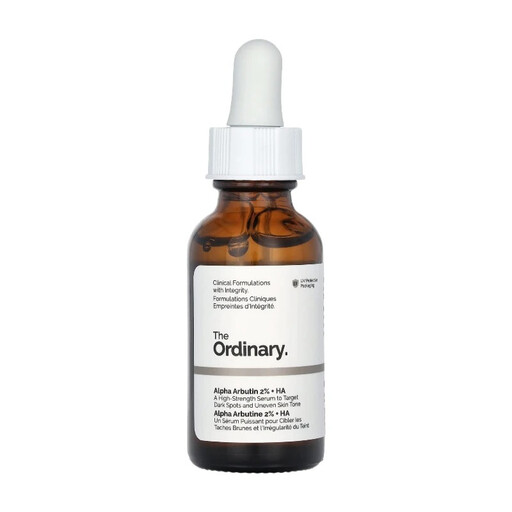
Why it suits this profile: The water-based formula combines 2% alpha arbutin with hyaluronic acid and is easy to apply before moisturiser.
The product name specifies the active ingredient and its concentration. Even so, a patch test is a good idea.
2% alpha arbutin, hyaluronic acid and a lightweight texture for everyday face care.
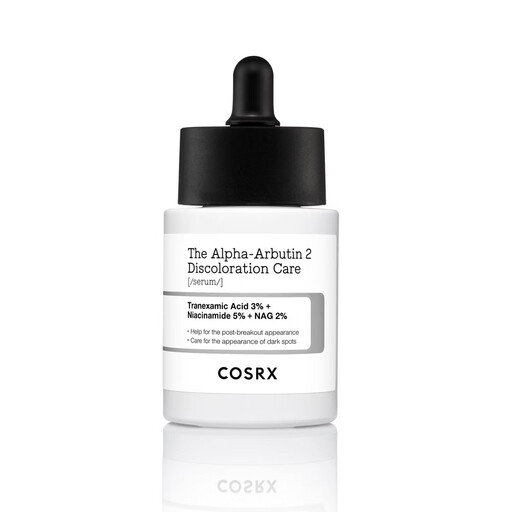
Why it suits this profile: The formula combines 2% alpha arbutin with tranexamic acid, niacinamide, panthenol and several forms of hyaluronic acid.
The product description lists its active ingredients, fragrance-free formula and non-sticky texture. You should still check how well your skin tolerates it.
A 50 ml size, several moisturising ingredients and a serum texture that’s suitable for layering.
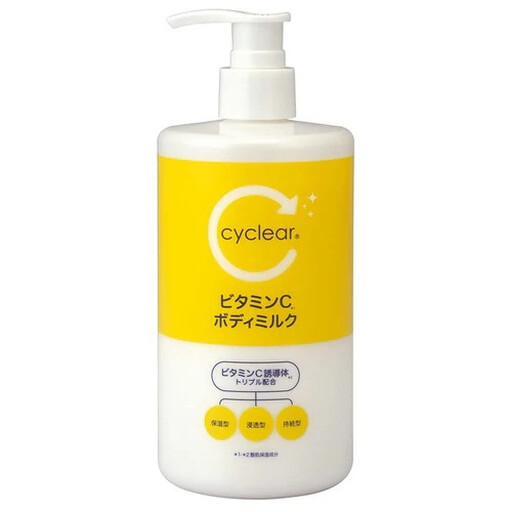
Why it suits this profile: This 400 ml body lotion is designed for larger areas and dry patches such as elbows, knees and heels.
It isn’t limited to use on the face, so you won’t need to use a small facial skincare bottle to cover larger areas of the body.
400 ml capacity, vitamin C and three vitamin C derivatives, plus glycerin, squalane and sodium hyaluronate.
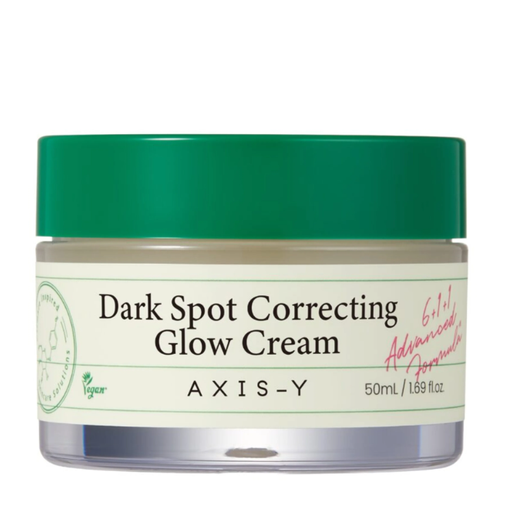
Why it suits this profile: According to the product information, this cream combines 2% alpha arbutin, 5% niacinamide and Ceramide NP in a gel-like moisturising step to finish your routine.
The ingredient information shows that the cream does more than make a general “glow” claim: it lists specific ingredients.
Niacinamide, alpha arbutin, Ceramide NP and a product description that states it is fragrance-free.
We’ve put together a complete, regularly updated list of products that meet these strict selection criteria and the applicable EU safety regulations.
You’ll usually need to use skincare regularly for several weeks before you can assess how your skin looks. The exact time depends on the product, your skin’s condition and the cause of the pigmentation. Follow the directions and avoid switching between several intensive active ingredients every day.
Start with a simple routine of gentle cleansing, moisturiser and sun protection. A fragrance-free alpha arbutin or niacinamide product may be an option if your skin tolerates it. Test new products on a small area first. If irritation persists or you notice any unusual changes, seek advice from a dermatologist.
Not necessarily. Body skincare products may have a different texture, contain fragrance or use richer ingredients. Only use a product on your face if the labelling and directions say it’s suitable. For larger areas of the body, a 400 ml lotion such as CYCLEAR Vitamin C Body Lotion is more practical than a small facial serum.