
Lieferung heute & morgen

Qualitätsgarantie

Willkommens-Angebote freischalten: KOSTENLOSE Lieferung | Bis zu 80 % RABATT | Kostenlose 30-Tage-JoyPlus-Testphase
App herunterladen
Face powder can set your make-up, reduce shine and soften the appearance of pores or fine lines. There’s a wide choice, from loose and translucent powders to coloured pressed powders, mattifying formulas and products designed for oily or combination skin. But the product name alone isn’t what matters: texture, shade, packaging and application all affect whether the result looks natural or settles into the skin after a short time.
Depending on the formula and how it’s applied, a translucent powder can still leave a light, rosy or warm-toned cast. This can be more noticeable after several layers or on darker skin tones. If you’re choosing a coloured pressed powder, compare the shade with your jawline or neck.
A powder designed to reduce shine can absorb excess oil on the skin’s surface. However, if you apply it generously or in several layers, it can make dry patches, fine lines or uneven areas more noticeable. If you have combination skin, it’s often better to mattify just your forehead, nose and chin.
Terms such as “pore-blurring powder”, “airbrush effect” or “24-hour wear” usually describe the effect a product aims to achieve, rather than a consistent quality standard. The actual texture, pigments, weight, what’s included and intended use are more informative. Long wear shouldn’t be taken as a guaranteed result for every skin type or climate.
Loose powder can be applied in a fine layer with a large brush and is ideal for setting liquid foundation. Its easy-to-control application can give a light finish. The downsides are that it’s less convenient to store and can spill when you’re out and about.
Pressed powder is compact and convenient, making it a good choice for everyday touch-ups. An integrated sponge or powder puff makes reapplication easier. However, picking up the product with more pressure can create a heavier layer more quickly. For a light finish, tap off any excess powder before applying.
A mattifying powder suits an oily complexion or a shiny T-zone. A satin or subtly luminous powder can make dry or dull-looking skin appear more radiant. Multi-coloured products such as pastel powders usually make only a subtle difference to your complexion and aren’t a substitute for foundation.
With a setting powder that has little or no pigment, the colour of your foundation should stay largely unchanged. Tinted formulas can provide extra coverage for redness or uneven skin tone, but the shade needs to match your skin carefully.
Always check the full INCI list on the packaging, as formulas can change between batches. If you’re sensitive to fragrance, certain preservatives or specific plant extracts, check for these ingredients before buying. Face powder is for external use only and must not get into your eyes. Stop using it if you experience redness, burning or persistent irritation.
Powders containing minerals such as Mica, Silica, Talc or Zinc Stearate can feel different depending on the formula. However, you can’t determine how suitable a product will be for your skin from the ingredients list alone.
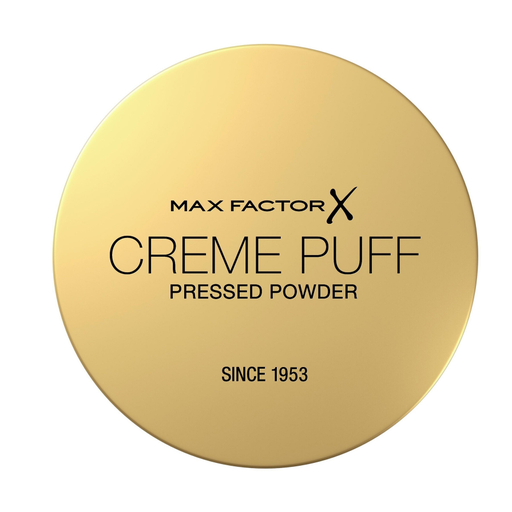
Why this product suits this profile: With 14 g of product, this pressed face powder is a straightforward option for everyday use and touch-ups on the go. The Medium Beige shade is suitable if you’re looking for a tinted powder rather than a completely translucent one.
The compact format helps prevent spills, while the shade makes it clear that this isn’t a colourless setting powder.
Pressed texture, 14 g of product and can be applied with a puff or brush.
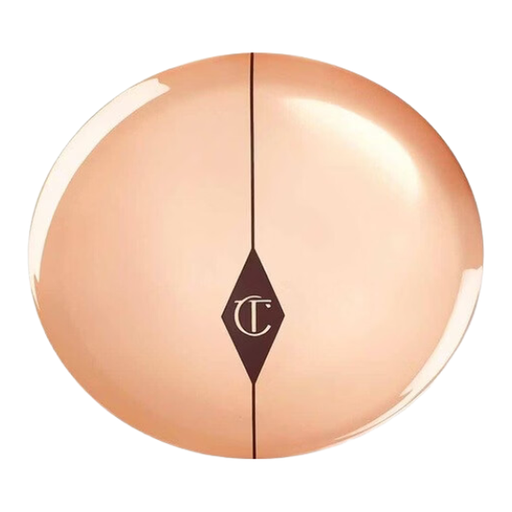
Why this product suits this profile: The product description mentions a micronised texture, a refillable compact and a vegan formula. It’s aimed at shoppers who consider the packaging, finish and refill option together.
The description lists specific ingredients such as Talc, Mica, Silica and Dimethicone, rather than relying on a general pore-blurring claim.
Micro-fine texture, refillable compact format and designed for application to the T-zone.
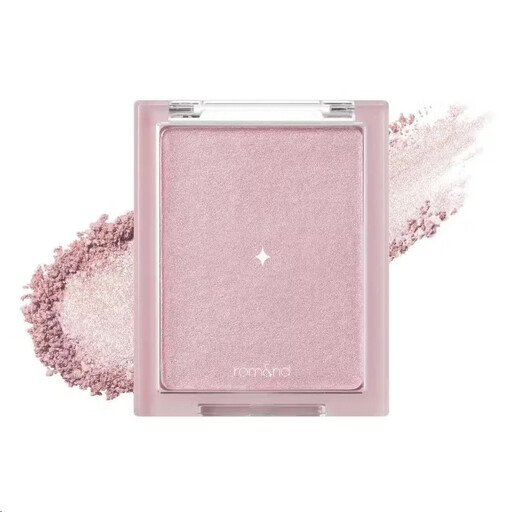
Why this product suits this profile: This compact, translucent option is worth considering if you want to set your make-up and touch it up in targeted areas when you’re out and about, without adding heavy coverage.
Applying it with a puff or loose brush makes it easy to use a thin layer. You can adjust the coverage on your T-zone and shiny areas.
Translucent formula, with Silica, Mica and Dimethicone listed in the product details.
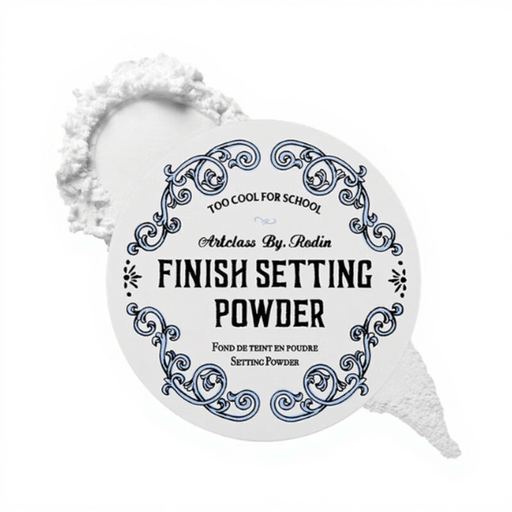
Why this product suits this profile: According to the product description, this loose setting powder is designed for normal to oily skin and contains Silica. It’s intended for use on shiny areas, making it suitable for targeted touch-ups.
The advice to apply it in thin layers helps prevent over-powdering and a heavy finish.
10 g format, loose powder that can be applied with a puff or brush, and a vegan formula according to the product details.
We’ve put together a complete, regularly updated list of products that meet these strict selection criteria and fully comply with the safety regulations in force in the EU.
It’s best to start with a small amount. Press the powder into your T-zone first, then add a second thin layer only if needed. A fluffy brush usually gives a lighter finish, while a puff applies more product to the skin.
Check the best-before date or the PAO symbol on the packaging. Changes in smell, colour, texture or how the powder applies can also be useful clues. Don’t continue using the product if you notice any changes or irritation. Its exact shelf life depends on the formula, storage and how hygienically it’s used.
A mattifying loose powder containing ingredients such as Silica can be suitable for shiny areas. If you have combination skin, apply it just to your forehead, nose and chin. Dry cheeks often benefit from a thinner layer or a less mattifying finish.