
Lieferung heute & morgen

Qualitätsgarantie

Willkommens-Angebote freischalten: KOSTENLOSE Lieferung | Bis zu 80 % RABATT | Kostenlose 30-Tage-JoyPlus-Testphase
App herunterladen
Face powder can set foundation, reduce excess shine and give the skin a more even-looking appearance. The choice ranges from loose powder and pressed powder to translucent or colour-correcting formulas. However, this variety often leads to unsuitable purchases.
There are three common pitfalls to consider before buying:
Loose powder can be distributed thinly with a large brush and is well suited to setting liquid or cream-based products. The fine particles can absorb excess sebum, but careful packaging and dispensing are needed when using it on the go.
Pressed powder is more practical for your handbag, office or travel. Using the enclosed sponge or powder puff, you can touch up your forehead, nose and chin precisely. However, repeated application increases the risk of visible build-up. For touch-ups, it is best to remove excess oil with a cosmetic tissue first.
A transparent powder is designed to alter the colour of your foundation as little as possible. Even so, mineral or light-reflecting ingredients may be visible depending on the lighting and your skin tone. If possible, test the product where your cheek meets your jaw and check the result in daylight.
Tinted options such as Beige, Ivory or Banana can subtly even out the complexion. However, they do not automatically offer the coverage of a foundation. A radiant finish often contains light-diffusing particles and looks less flat than a completely matte result. If you are looking for powder to control shine, focus mainly on the T-zone rather than removing the face’s natural luminosity altogether.
When choosing products for sensitive skin, it is worth checking the current INCI list on the packaging. Fragrances, essential oils, certain preservatives or talc may be relevant for some individuals. It is not possible to make a general statement about individual skin compatibility.
Products containing Silica, starch or mineral pigments are often used to control shine. Mica and similar ingredients can reflect light, creating a soft-focus appearance. This is a temporary cosmetic effect and not a therapeutic claim.
Also pay attention to:
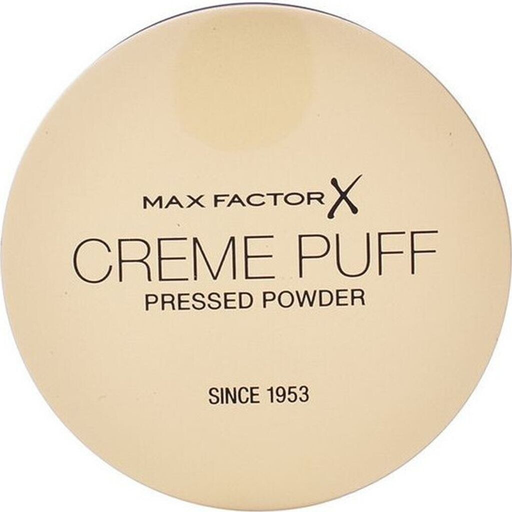
Why this product suits the profile: The 14 g compact format is designed for simple everyday application and touch-ups. According to the product description, the transparent version is intended to alter the colour of your base as little as possible.
The format makes controlled, targeted application easier. However, the “translucent” label does not replace testing the shade on different skin tones.
14 g contents, pressed powder format, enclosed puff for application and a formula designed to control shine.
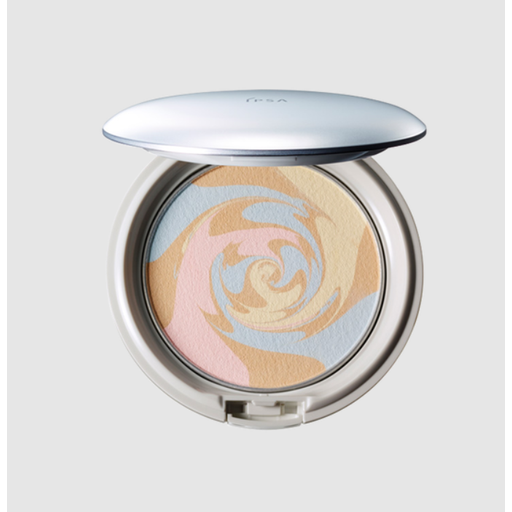
Why this product suits the profile: The compact packaging with puff is suitable for controlled pressing application. The product description states that it has a lightweight, translucent formula with a mattifying yet light-reflecting finish.
Applying it to the T-zone rather than the entire face helps prevent excessive mattifying. Testing the shade in daylight is still advisable.
8.5 g contents, translucent formula, integrated puff and a format suitable for touch-ups on the go.
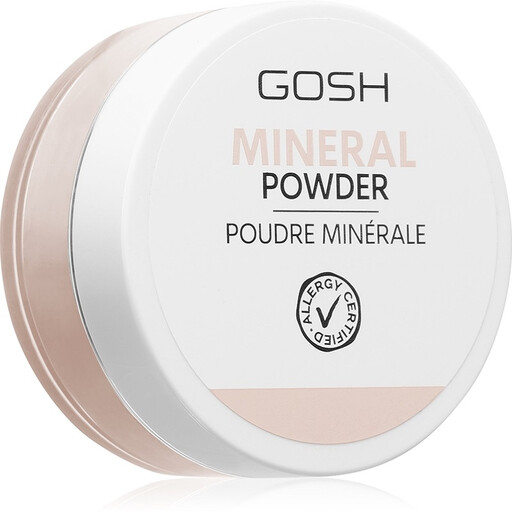
Why this product suits the profile: The loose mineral powder is designed for applying thin layers over a moisturising base. According to the product description, it is fragrance-free and intended for all skin types, including sensitive skin.
The loose texture supports gradual application. As shade 002 Ivory is tinted, it should be matched to your own skin tone before buying.
8 g contents, loose mineral powder formula, fragrance-free product description, plus Mica and Silica in the listed INCI ingredients.
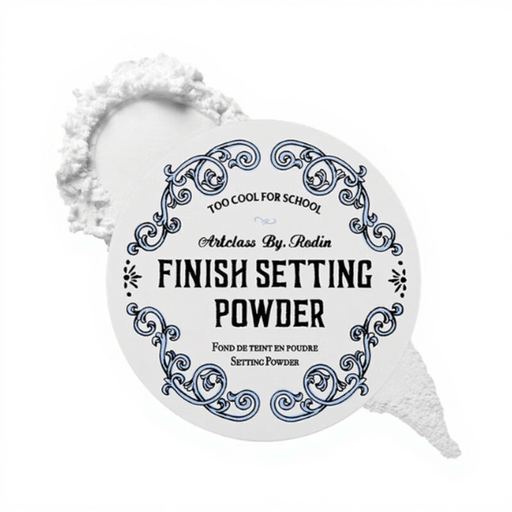
Why this product suits the profile: According to the product description, the translucent formula is designed for normal to oily skin and targeted application with a powder puff or brush.
Applying it at the end of your make-up routine and in a thin layer helps prevent an overly heavy finish. Use sparingly on dry areas.
10 g contents, translucent formula, brush or puff application and a focus on shine control.
We have put together a complete, regularly updated list of products that fully meet these strict selection criteria and the safety regulations applicable in the EU.
For powder for oily skin, formulas containing Silica, starch or other oil-absorbing ingredients may be suitable. Application is key: a thin layer on the T-zone is usually sufficient. For intense shine, loose powder can be applied precisely with a brush.
Refer to the packaging, the best-before date and the PAO symbol for the period of use after opening. Changes in smell, colour, texture or how the product feels on your skin indicate that you should stop using it. The exact information may vary from batch to batch.
Loose powder is often suitable for applying a thin layer at home and for setting make-up. Pressed powder is more practical when you are out and about thanks to its sturdy packaging. The right choice therefore depends less on a general ranking and more on how you use it, the finish you want, your skin tone and your skin type.