
Lieferung heute & morgen

Qualitätsgarantie

Willkommens-Angebote freischalten: KOSTENLOSE Lieferung | Bis zu 80 % RABATT | Kostenlose 30-Tage-JoyPlus-Testphase
App herunterladen
Face powder can set liquid foundation and concealer, reduce shine in the T-zone or help create a more even-looking complexion. The choice ranges from pressed powder for on-the-go use to loose setting powder for an especially lightweight application. What matters is not an overblown advertising claim, but the combination of texture, shade, finish and application.
The Joybuy Product Recommendation Officer selection is therefore based on clear product details such as contents, powder format, shade, ingredients and the application method described by the manufacturer.
A transparent powder can appear subtle in colour on many skin tones, but it is not necessarily completely invisible. If the formula contains light pigments or light-reflecting ingredients, applying a generous amount can create a pale veil. On darker skin tones, it is therefore advisable to apply sparingly and, where possible, test along the jawline.
A strongly mattifying powder can be useful on the forehead, nose and chin if you have oily skin. On dry areas, under the eyes or over fine lines, however, applying too much powder can emphasise texture. It is often more practical to use powder for reducing shine only in the T-zone and lightly powder the rest of the face.
Loose powder can be applied thinly with a brush, but is more likely to spill when you are out and about. A pressed powder with a sponge or puff is more practical for touch-ups at work, on the train or in your handbag. A secure lid and clean applicator are important to prevent product residue and skin oils from mixing unnecessarily.
For oily skin, silica or starch in the ingredients list may be relevant, as product descriptions often associate these ingredients with absorbing excess skin oils. However, this is no guarantee of a particular result for everyone.
A tinted face powder can lightly even out your base or alter your complexion. Beige and sand shades should ideally be tested on the neck or jawline. A transparent powder generally changes the colour of your base less, but may still be visible depending on its pigments and how it reflects light.
Also pay attention to the coverage:
A matte finish reduces visible shine, while a luminous finish reflects more light. If visible pores or fine lines are a concern, you may want an optical blurring effect. However, light-reflecting particles can look different on very textured skin or in flash photography than they do in daylight.
Check the current INCI list on the packaging before buying. Fragrances, talc, plant extracts or certain preservatives may be relevant for some people. If your skin is sensitive or irritated, do not apply the product to damaged areas. Stop using it if any problems occur.
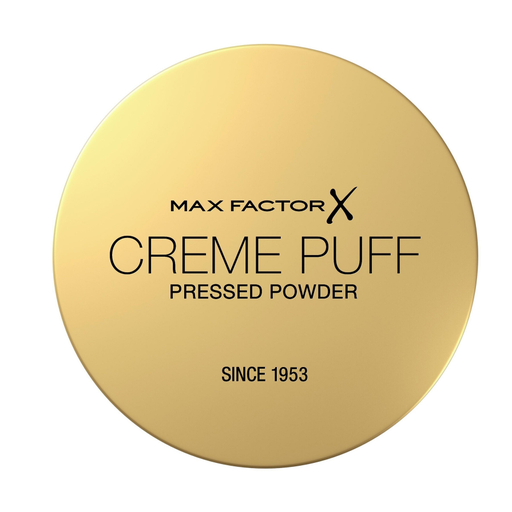
Why this product suits the profile: The pressed compact powder contains 14 g and can be applied with a puff or brush, making it suitable for a straightforward daily routine as well as setting make-up when you are out and about.
The clearly stated Medium Beige shade makes it easier to assess the choice than a supposedly universal powder. You should still test it sparingly to see how it suits your own skin tone.
Pressed compact format; 14 g contents; can be applied with a powder puff or brush.
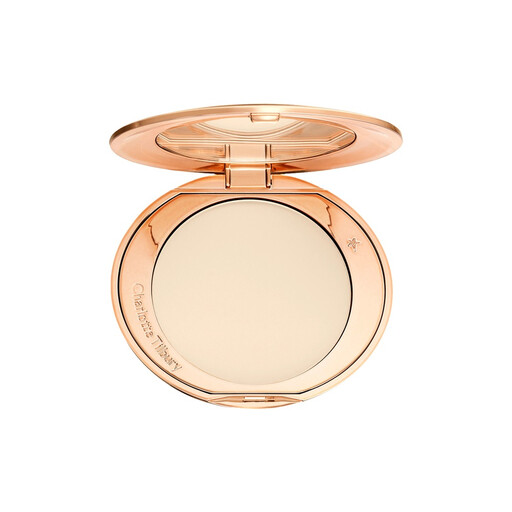
Why this product suits the profile: The micro-fine pressed texture and clearly stated 01 Fair shade are aimed at people with fair skin who want a velvety matte finish for the face and T-zone.
The shade name sets this product apart from a universal tone. On dry areas, a light application is still advisable, as even a fine matte powder can sit visibly on the skin.
Pressed format with 8 g contents; micro-fine texture according to the product details; described for targeted application with a brush or puff.
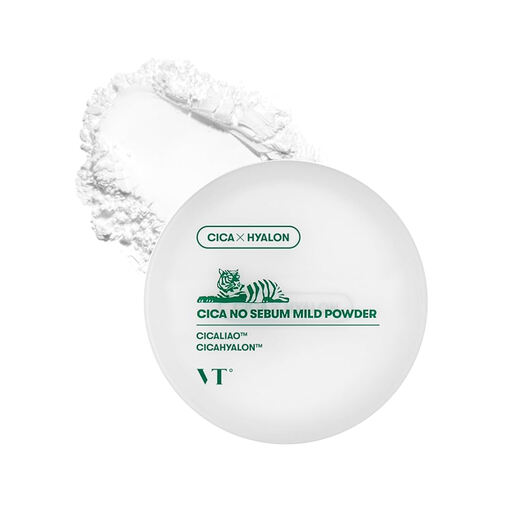
Why this product suits the profile: The compact 5 g format is designed for targeted application to the T-zone and chin, making it suitable for people who want to touch up selected areas during the day.
The manageable capacity suits targeted use and reduces the need to repeatedly mattify the whole face heavily.
Loose powder; 5 g contents; according to the product details, apply with a powder puff or brush to shiny areas.
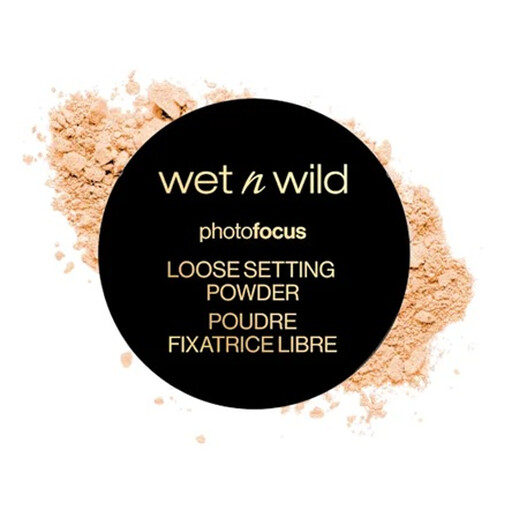
Why this product suits the profile: The loose format with 20 g contents provides plenty for regular setting. The Banana shade should be tested against your own skin tone before applying it all over.
The specific shade makes it clear that this is not a colourless universal powder. Applying it thinly prevents the shade from unnecessarily altering your base.
20 g contents; loose powder format; according to the product description, intended for the face and T-zone and for setting foundation.
We have put together a complete, regularly updated list of products that fully meet these strict selection criteria and the safety regulations applicable in the EU.
For oily skin, consider a mattifying powder or setting powder containing ingredients such as silica or starch. Targeted application to the forehead, nose and chin is advisable. Mattifying the entire face can look dry or unnatural, depending on your skin’s condition.
The printed best-before date, batch number and period-after-opening symbol on the packaging are key. Store the product in a dry place, closed and away from direct heat. Powder puffs and sponges should be cleaned regularly and should no longer be used if the product shows visible changes.
Setting powder is mainly used as powder for setting make-up after liquid or cream products. Finishing powder is often used for the final optical reduction of shine and to even out the appearance of the skin. However, the terms are not used consistently across the retail sector. Always check the product format, shade, finish and specific application instructions.