
Lieferung heute & morgen

Qualitätsgarantie

Willkommens-Angebote freischalten: KOSTENLOSE Lieferung | Bis zu 80 % RABATT | Kostenlose 30-Tage-JoyPlus-Testphase
App herunterladen
A face primer can help foundation go on more evenly and give the skin a smoother appearance. The options range from mattifying gels to hydrating textures, tinted primers with colour correction, and primers with SPF. What matters most isn’t the flashiest marketing claim, but how well the product suits your skin type, desired finish, and application routine.
A universal claim doesn’t tell you much about how the product will actually feel on your skin. Very rich formulas can feel heavy on oily skin, while strongly mattifying products can emphasise dry patches. For combination skin, targeted application often works best: a mattifying primer on the forehead, nose and chin, and a hydrating primer on the cheeks.
A pore-refining primer can make pores and fine lines less visible thanks to silicones, powder particles or light-diffusing ingredients. However, it won’t permanently change the size of your pores. So look for realistic descriptions such as “soft-focus effect” or “visually smoothed complexion”.
A primer with SPF can add an extra layer of protection to your make-up routine. In everyday use, though, the amount you actually apply may not match the quantity used to achieve the stated level of protection. For longer periods outdoors, a dedicated sunscreen applied according to the manufacturer’s instructions remains important. Products with SPF should not be relied upon as complete UV protection simply because of their make-up function.
For oily skin or a noticeably shiny T-zone, look for formulas containing silica, kaolin or an explicitly mattifying finish. A primer for shiny skin should be applied as thinly as possible so that foundation doesn’t look patchy.
For dry skin, ingredients such as glycerin, hyaluronic acid, aloe vera or light nourishing components are worth considering. A hydrating primer can visually even out dry patches, but it doesn’t replace your regular skincare routine.
Finishes vary significantly between products:
The INCI list on the packaging is the most reliable source, as formulations can change. Fragrance ingredients such as parfum, limonene or linalool may be relevant for those with sensitive skin. If you have known intolerances, check the current packaging and, if necessary, do a patch test on a small area of skin.
Silicone-based primers can feel particularly smooth and make foundation application easier. Water-based and silicone-free versions may interact differently with your moisturiser and make-up. The key is to make sure each layer underneath has been fully absorbed.
More product doesn’t automatically mean better results. A pea-sized amount is often enough for the whole face. Too much primer can cause foundation to pill or roll off. Pump bottles or tubes allow for clean, controlled dispensing; a stick format is handy for on-the-go use and targeted application.
Apply your face primer after moisturiser and – if you use it – after sunscreen. Let each layer settle for a moment, then press or spread the primer with your fingers, a sponge or a brush. For gripping primers, gentle pressing is usually better than vigorous rubbing.
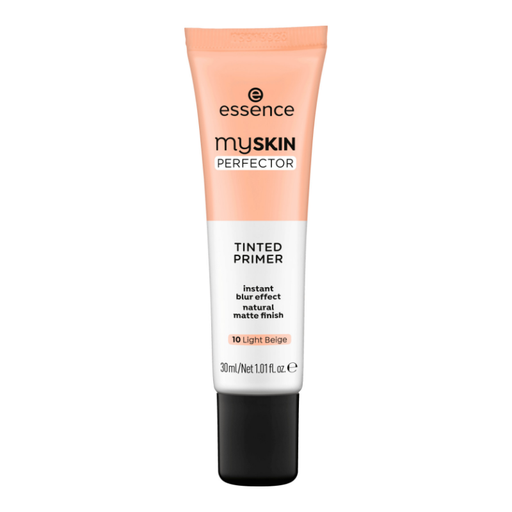
Why this product suits the profile: The mousse-like texture is easy to spread and can be used alone or under foundation. The Light Beige shade provides a subtle tint for a more natural everyday look.
The lightweight, tinted formula means beginners don’t have to combine several correcting products. According to the product description, the coverage is subtle and doesn’t replace a higher-coverage foundation.
30 ml content, soft-matte finish and versatile use alone or under make-up.
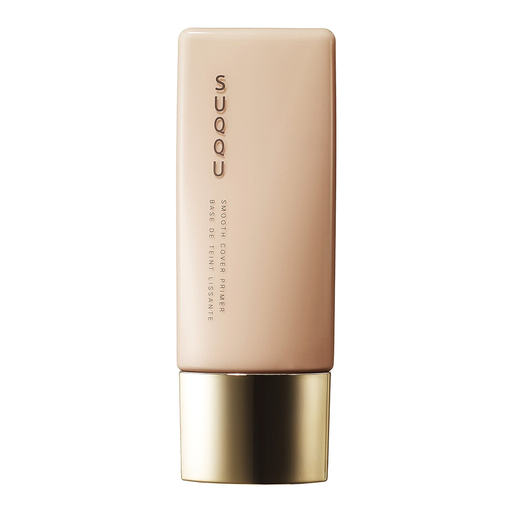
Why this product suits the profile: The product description mentions a soft-focus effect and targeted application on the T-zone and eye area. This suits users who prefer a controlled finish that isn’t completely flat.
The recommendation for partial application reduces the risk of over-mattifying dry areas. The product should be allowed to set before applying make-up.
30 ml, mattifying focus and light-diffusing particles according to product claims.
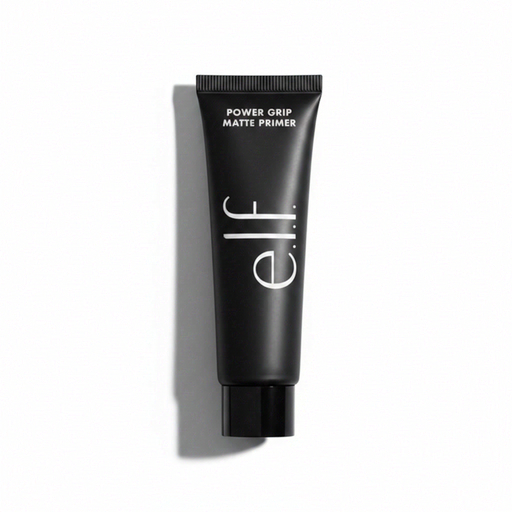
Why this product suits the profile: The transparent gel texture is said to form a gripping layer and is suitable for targeted application on the forehead, nose and chin.
The usage instructions recommend a small amount and a waiting time of around 30 seconds. This helps prevent over-application, which can lead to pilling.
26 ml, transparent texture, mattifying finish and silica according to the INCI list.
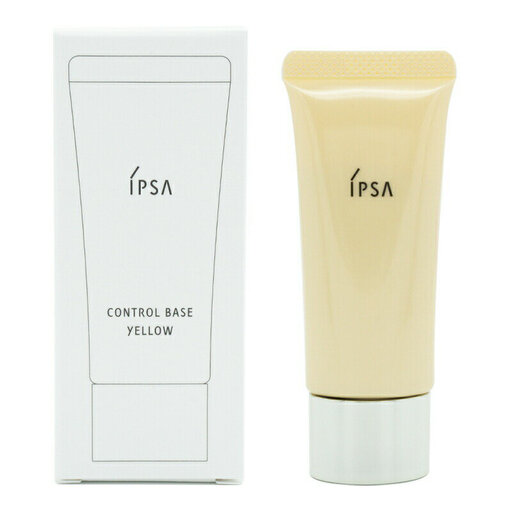
Why this product suits the profile: The yellow tint is designed to visually correct a dull complexion. SPF20/PA++ is a stated product feature that’s relevant for daily routines with added sun protection.
The specific colour description and stated SPF make comparison easier. However, the UV factor should not be relied upon as the sole protection for longer periods outdoors.
20 g, yellow colour correction and SPF20/PA++ according to the product description.
We’ve put together a full, regularly updated list of products that fully meet these strict selection criteria and the safety regulations in force in the EU.
A primer prepares the skin visually and texturally for further make-up layers. Foundation is mainly used to even out skin tone and provide coverage. A tinted primer can offer a light tint, but it doesn’t necessarily replace a foundation.
For oily or shine-prone skin, mattifying primers with a light gel or cream texture are a good choice. Apply the product mainly to the T-zone. Using too much can affect how long your foundation lasts.
The best-before date and the open-jar symbol on the packaging are the key references. If the smell, colour or consistency changes, stop using the product. Discontinue use if you experience any irritation.