
Lieferung heute & morgen

Qualitätsgarantie

Willkommens-Angebote freischalten: KOSTENLOSE Lieferung | Bis zu 80 % RABATT | Kostenlose 30-Tage-JoyPlus-Testphase
App herunterladen
A good face scrub can visibly refine the skin's texture by removing dead skin cells and stimulating cell renewal. However, the market is saturated with products whose marketing promises often create more confusion than clarity. Many users choose the wrong product, risking skin irritation or failing to achieve their desired results. Before you make a decision, it's crucial to understand the most common pitfalls.
Two widespread misconceptions often lead to poor purchasing decisions:
An effective exfoliating cleanser is precisely tailored to your skin type and skin goal. The objective isn't to find the strongest product, but the most suitable one.
To find a suitable face scrub that can refine your complexion without causing damage, you should examine three decisive factors: the type of exfoliating particles, the formulation base, and the complementary active ingredients.
Mechanical exfoliants, also known as exfoliating scrubs, use solid particles to physically slough away dead skin cells. The nature of these particles is critical for how gentle the product is.
The base in which the exfoliating particles are suspended is just as important as the particles themselves. It determines how the product feels on the skin and whether it meets the needs of your skin type.
A good scrub does more than just remove dead skin cells. Look for ingredients that target your specific skin concerns.
Based on these objective criteria, we have identified a few products from our range that are well-suited for different needs and skin types.
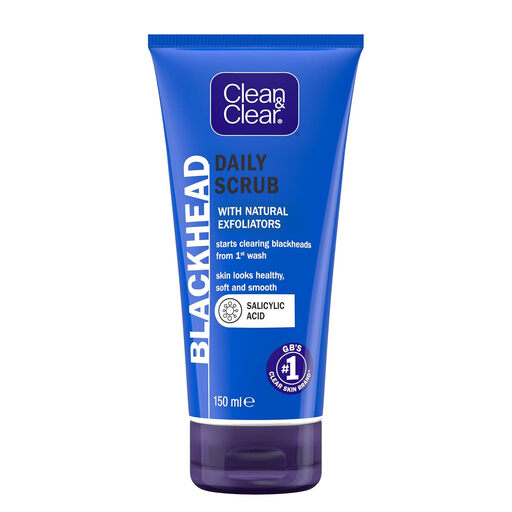
Why This Fits Their Persona: This formula is specifically designed for daily use on oily, blemish-prone skin. It directly targets pore clarification and blackhead prevention, making it a practical solution for a daily skincare routine.
Instead of a universal formula, this product offers a targeted solution for oily skin. The oil-free cream base with salicylic acid is designed to combat impurities without unnecessarily burdening the skin.
The formula contains salicylic acid for pore cleansing and soothing ingredients like panthenol and chamomile extract to care for the skin during cleansing.
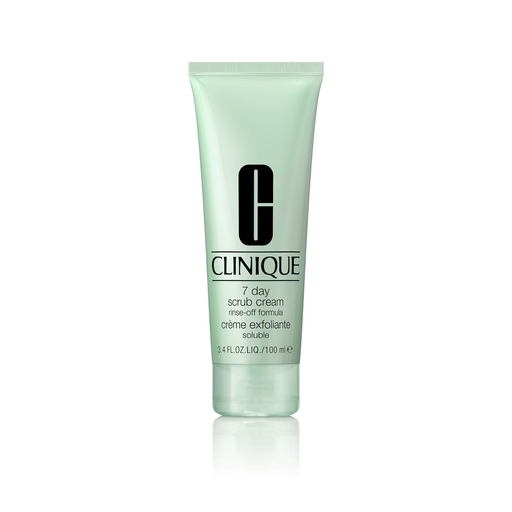
Why This Fits Their Persona: Ideal for those seeking gentle yet effective exfoliation without drying out their skin. The creamy texture and fine particles are designed for comfort and maintaining skin moisture.
This product debunks the myth that a scrub must be aggressive. It uses fine, spherical Silica particles in a rich cream base to prevent micro-tears and protect the skin barrier.
The rich cream formula gently polishes the skin and optimally prepares it for subsequent moisturiser. According to the manufacturer, it is fragrance-free and allergy-tested.
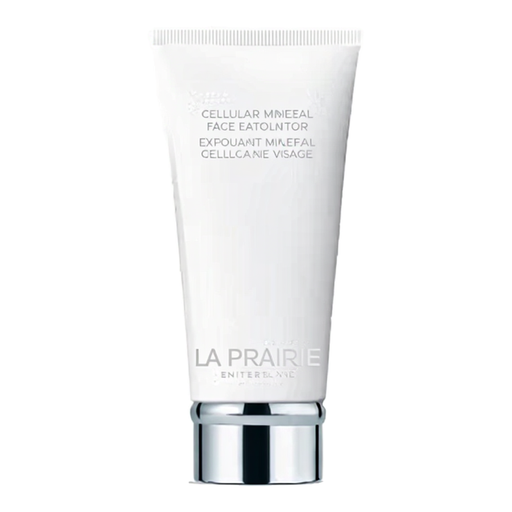
Why This Fits Their Persona: For users who view skincare as a luxurious ritual and want to invest in a high-end formula. This product combines exfoliation with a sophisticated skincare experience.
Instead of coarse particles, this gel-cream relies on a blend of mineral-rich gemstone powders. The focus is on a gentle yet thorough refinement of the skin's texture, not on aggressive abrasion.
The formula combines physical exfoliation with moisturising properties to keep the skin supple. According to the manufacturer, it refines pores and enhances the skin's radiance.
We have compiled a complete, up-to-date list of products that fully meet these strict selection criteria and UK regulations.
1. How often should you use a face scrub? The frequency of use depends heavily on your skin type and the intensity of the product. For most skin types, using it once or twice a week is sufficient. With very gentle formulas or for oily skin, more frequent use (e.g., three times a week) may be possible. Always follow the manufacturer's recommendations and observe how your skin reacts.
2. Can a face scrub be harmful if you have active acne? For inflammatory, active acne, mechanical scrubs are not recommended. Rubbing particles over inflamed pustules can spread bacteria and worsen the inflammation. In such cases, chemical exfoliants with ingredients like salicylic acid, which work without friction, are often the better choice. Consult a dermatologist for severe acne.
3. What is the difference between a mechanical and a chemical exfoliant? A mechanical exfoliant (scrub) uses small particles (e.g., sugar crystals, silica) to remove dead skin cells through physical friction. A chemical exfoliant works without friction, using acids (like AHA or BHA) to dissolve the bonds between skin cells, allowing them to shed more easily. Both methods serve to refine the skin's texture, but their mechanisms of action are different.