
Lieferung heute & morgen

Qualitätsgarantie

Willkommens-Angebote freischalten: KOSTENLOSE Lieferung | Bis zu 80 % RABATT | Kostenlose 30-Tage-JoyPlus-Testphase
App herunterladen
A face scrub can remove dead skin cells, excess sebum and surface impurities. However, not every product is suitable for every skin type. Purchases often disappoint because marketing terms such as “deep-cleansing”, “for all skin types” or “suitable for daily use” are accepted without checking the formulation.
A mechanical face scrub containing sugar, fruit stones, silica or other particles may make the skin feel smoother immediately. However, applying too much pressure or using it too often can cause unnecessary irritation. Gentle application is particularly important for sensitive, reddened or already stressed skin.
This statement usually describes the manufacturer’s intended target group, but it does not replace checking the ingredients. Fragrances, essential oils, acids or enzymes can trigger unwanted reactions in some people. A face scrub for sensitive skin should therefore have a relatively straightforward formulation and should initially be tested on a small area of skin.
Some products are intended by the manufacturer for daily use, while others should only be used once or twice a week. The frequency depends on the type of exfoliation, the sensitivity of your skin and the rest of your skincare routine. If you also use products containing acids, retinoids or strongly degreasing cleansing agents, frequent use in combination may put greater strain on the skin.
A mechanical face scrub works through the friction created by particles. Examples include sugar, jojoba beads, silica, bamboo or ground plant matter. The particle size, shape and pressure used during application are all important. Circular movements should be light and brief.
An enzymatic face scrub may contain papain or other enzymes, for example. It is often used as a cream or mask and usually requires a leave-on time. According to the product description, the Filorga S P Enzymatic Exfoliat contains papain as well as pumice particles and is recommended once or twice a week. Compatibility should be checked particularly carefully on sensitive skin.
Acid-based formulations may contain lactic acid, salicylic acid or gluconolactone, among other ingredients. The Noxexpert Peeling Care - Clear Skin, for example, lists lactic acid and gluconolactone among its ingredients. These products require you to follow the usage instructions carefully and apply appropriate sun protection.
Check the current INCI list on the packaging before buying. Information in online listings may differ following formulation changes. If you are sensitive to fragrance, “Parfum”, “Limonene” and “Linalool”, among others, are relevant ingredients to look out for.
Do not use on irritated, damaged or sunburnt skin. Avoid the eye area and stop using the product if you experience burning, redness, itching or a rash. After exfoliation, your skin may be more sensitive to sunlight, making suitable sun protection particularly important.

Why this product suits this profile: This compact face scrub is designed for a simple weekly routine. The product description states that 99% of the ingredients are of natural origin and that one 40-ml tube provides around 20 applications.
The recommended use of once or twice a week helps avoid over-exfoliating every day. Apply with light pressure to damp skin.
Glycerine and watermelon extract are listed among the ingredients; the product contains mechanical exfoliating particles and comes with clear usage instructions.
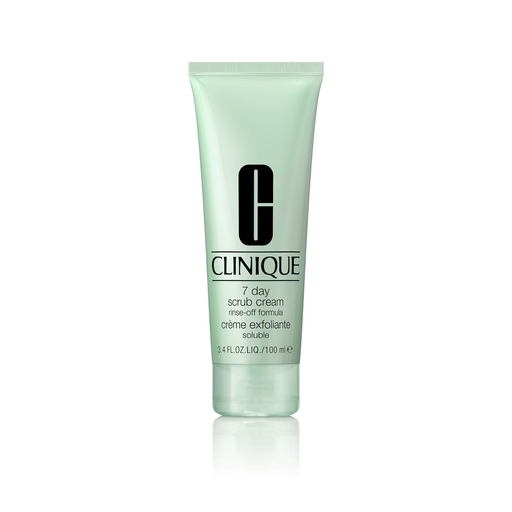
Why this product suits this profile: The creamy texture and fine silica particles mentioned in the product description are suitable for people who value controlled, rinse-off application.
The formulation is described as fragrance-free. Even so, check the current packaging and your own skin’s compatibility before using it regularly.
100 ml contents, a creamy rinse-off formula and silica as a mechanical exfoliating ingredient according to the INCI list.
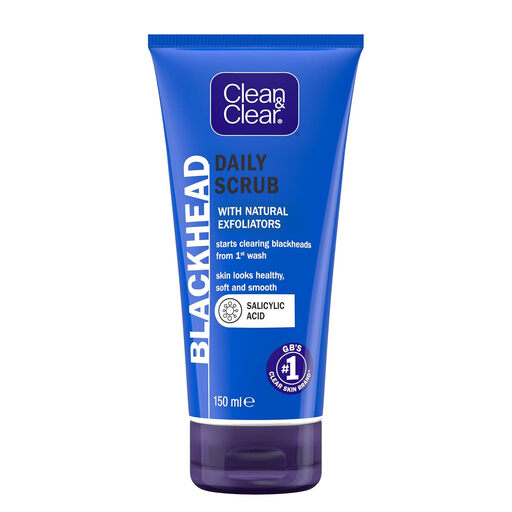
Why this product suits this profile: The product description is aimed at oily skin and states that it can be used daily. This makes it suitable for people who prefer a frequently usable routine and regularly monitor how their skin responds.
The target group and recommended frequency of use are clearly stated. If you have dry or sensitive skin, do not adopt daily use without checking how your skin responds.
150 ml contents, an oil-free cream base and salicylic acid in the stated ingredients list.
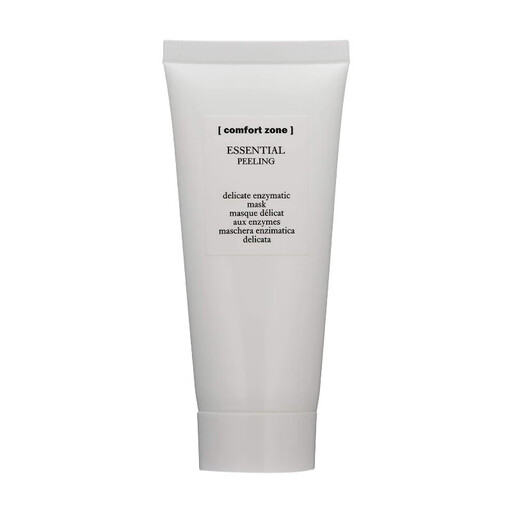
Why this product suits this profile: The product description mentions an enzymatic mask for sensitive skin, with use reduced to once every two weeks for highly sensitive skin.
Usage is adapted to skin sensitivity instead of generally recommending daily exfoliation. A patch test beforehand is still advisable.
According to the product description, 96% of the ingredients are of natural origin, alongside betaine, panthenol and glycerine.
We have put together a complete, regularly updated list of products that fully meet these strict selection criteria and the safety regulations applicable in the EU.
A scrub for dead skin cells should not be used on sunburn, open areas or actively irritated parts of the skin. If skin problems persist, seeking dermatological advice is more appropriate than using a more intensive or frequent exfoliation routine.
This depends on the formulation and your skin type. Many mechanical and enzymatic products are intended for use once or twice a week. If you have sensitive or dry skin, leaving a longer gap between applications may be beneficial. The specific manufacturer’s guidance should take priority.
It can help remove superficial dead skin cells and build-up that make the skin look uneven. However, this does not necessarily remove blackheads completely. Vigorous rubbing or squeezing can irritate the skin further and should be avoided.
Only if the specific product is expressly intended for daily use and your skin tolerates it. Daily face scrubbing is not a general recommendation. If you experience redness, burning, tightness or flaking, reduce use or take a break.