
Lieferung heute & morgen

Qualitätsgarantie

Willkommens-Angebote freischalten: KOSTENLOSE Lieferung | Bis zu 80 % RABATT | Kostenlose 30-Tage-JoyPlus-Testphase
App herunterladen
A face serum usually contains a lightweight, concentrated formula and is applied after cleansing, often before moisturiser. The selection ranges from a hydrating serum with hyaluronic acid to a retinal serum for your evening skincare routine. However, if you focus only on percentages, trend terms or eye-catching packaging, you can quickly end up buying a product that is not right for you.
A figure such as “2%” or “10%” says very little without knowing the exact active ingredient, its form and the overall formulation. A niacinamide serum with 5% can feel different and be easier to incorporate into a routine than a product with a considerably higher concentration. Terms such as “Glow”, “Repair” or “Glass Skin” do not automatically describe a specific skincare result either.
What matters is the complete INCI list, the recommended application and how well the product works alongside those you already use.
Retinal, vitamin C, acids, azelaic acid and niacinamide can each serve a useful skincare purpose. However, layering several concentrated products directly on top of one another increases the risk of tightness, redness or dry skin. A serum for wrinkles should therefore not automatically be combined with every exfoliant or another vitamin A product.
A 5-ml product may be a trial size, while 100 ml may be intended for daily use. When choosing a Korean face serum or K-Beauty serum, you should therefore check whether it is a serum, essence or ampoule, and how many drops or pumps are recommended.
First, match the product to your specific needs:
Terms such as “serum for pigmentation” or “serum for wrinkles” should be understood as guidance, not as medical claims.
Check whether a percentage is clearly assigned to a specific ingredient. For example, the celimax product states 0.1% retinal, while in other products, high percentages may refer to plant extracts or the formulation as a whole. These figures cannot be compared directly.
Texture also matters: water-based serums are often well suited to layering under a moisturiser, while richer formulas may feel more comfortable on dry skin. The product description and packaging should also provide information about storage, shelf life and the Period After Opening.
Before applying the product over a larger area for the first time, a small patch test is recommended. If you experience burning, persistent redness, swelling or itching, discontinue use. Retinal requires additional precautions: apply it in the evening, introduce it gradually and use sun protection the following morning. Pregnant people, those trying to conceive and breastfeeding women should only use vitamin A derivatives after consulting a medical professional.
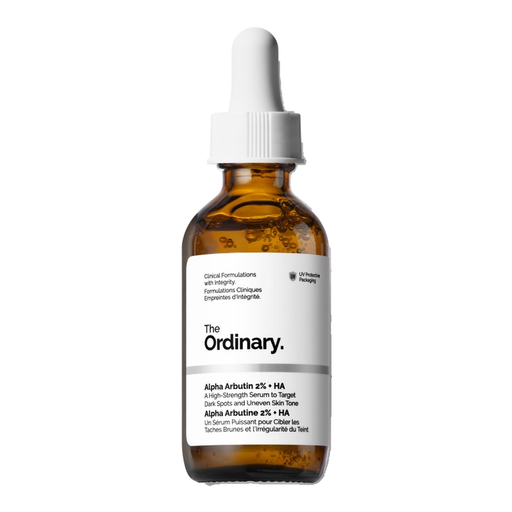
Why this product suits this profile: The 60-ml size and clearly named ingredients make it easier to get started with a serum for pigmentation and dry skin.
The 2% alpha-arbutin content is stated clearly, and the formula also contains a form of hyaluronic acid. The current INCI list should be checked before buying.
60 ml, alpha-arbutin and hydrolysed sodium hyaluronate according to the product data.
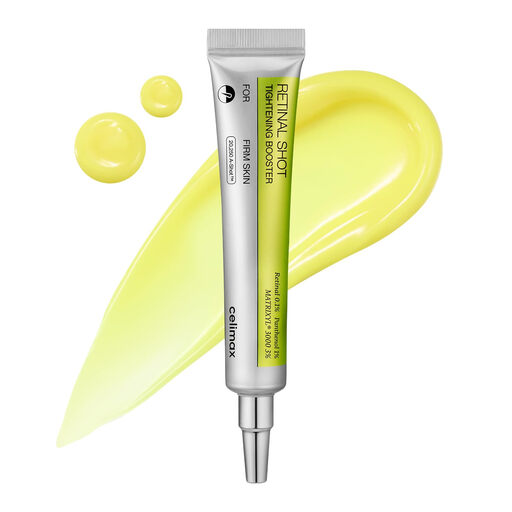
Why this product suits this profile: For people who want to add a clearly specified night-time product containing retinal and peptides to their routine.
The product data states 0.1% retinal and recommends introducing it gradually. This makes it easier to plan how to use it than when the active ingredient declaration is unclear.
Retinal, niacinamide, panthenol and a peptide complex according to the product description; intended exclusively for evening use.
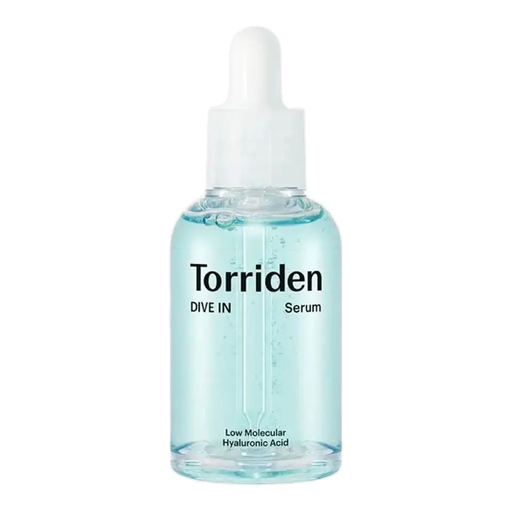
Why this product suits this profile: An everyday option for people who want to use a lightweight hydrating serum in the morning and evening.
According to the product data, the formula uses five forms of hyaluronic acid and also contains panthenol and ceramides. This makes the choice of ingredients easy to understand.
50 ml, fragrance-free formula according to the product description, and several forms of hyaluronic acid.
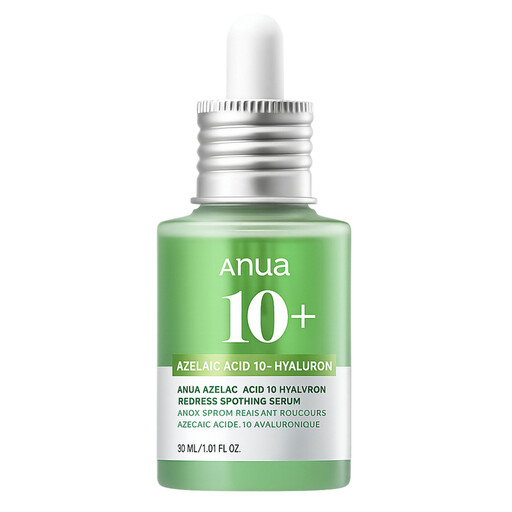
Why this product suits this profile: The combination of 10% azelaic acid, hyaluronic acid, panthenol and cica ingredients is designed for a pared-back, gradual skincare routine.
According to the product data, use should begin with a few drops at a low frequency. This avoids immediately layering it every day.
30 ml, azelaic acid, hyaluronic acid, panthenol and ceramides according to the product description.
We have put together a complete, regularly updated list of products that fully meet these strict selection criteria and the safety regulations applicable in the EU.
New active ingredients should not be introduced at the same time. This makes it easier to identify which product your skin tolerates well.
Serum is generally used after cleansing and before moisturiser. A retinal serum is usually applied in the evening. The exact order may vary depending on the texture and the product instructions.
The best-before date, batch number and open-jar symbol on the packaging are the key points of reference. Light- and heat-sensitive formulations should be stored according to the manufacturer’s instructions and closed securely after each use.
For many routines, starting with one product is sufficient. When combining several serums, check the active ingredients, application instructions and any potential overlaps. A cautious, separate approach is particularly advisable when using retinal, acids and highly concentrated vitamin C.