
Lieferung heute & morgen

Qualitätsgarantie

Willkommens-Angebote freischalten: KOSTENLOSE Lieferung | Bis zu 80 % RABATT | Kostenlose 30-Tage-JoyPlus-Testphase
App herunterladen
A face serum can be a targeted addition to your skincare routine, but the choice can feel overwhelming. Terms such as “glow”, “anti-ageing” and “minimises pores” often describe marketing aims, not necessarily proven results. If you’re looking to buy a Korean face serum or a Japanese skincare product, check the full ingredient list, the concentration of key active ingredients and the directions for use.
A vitamin C serum, retinol serum or niacinamide serum is often promoted on the basis of a single ingredient. What matters, though, is where that ingredient appears in the INCI list, what else the product contains and whether it suits your skin.
For example, a high percentage may not be suitable for sensitive skin. On the other hand, a lower concentration may be a good choice if you want to use the serum regularly and comfortably.
This claim isn’t a guarantee that the product will suit your skin. When choosing a serum for sensitive skin, it’s worth checking for:
Before applying it to a larger area, we recommend doing a patch test on a small area of skin. Stop using the product if you experience burning, swelling or persistent redness.
A face ampoule usually refers to concentrated skincare or a particularly lightweight formula. However, the term isn’t protected by a consistent standard. Before buying, check the size, packaging, dosage and shelf life. A 100 ml ampoule may be more economical for everyday use than a 30 ml serum, while individually portioned ampoules may offer hygiene benefits.
First, match the product to the skincare goal you have in mind:
With a vitamin C serum, it’s important to check whether it contains pure ascorbic acid or a more stable derivative. Pure ascorbic acid can be trickier to use and should be stored away from light and air.
If you’re using a retinol or retinal product, introduce it gradually, perhaps on two evenings a week to start with. Add sun protection with an adequate SPF to your daytime routine. Not every product containing “retinal” is a classic retinol serum; check the specific ingredient in the INCI list.
Watery textures often work well as part of a multi-step routine or under a moisturiser. Oil-based products can be used as the final step or as a booster. A dropper makes it easier to control the amount, while a pump bottle can reduce contact with air and fingers.
Also check the:
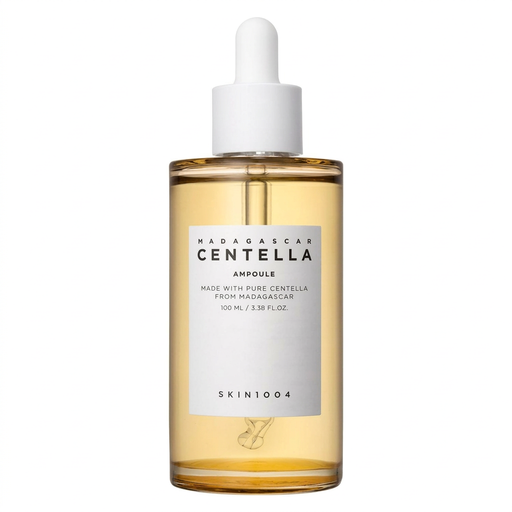
Why this product suits this profile: The 100 ml size and lightweight, watery texture make it a simple choice for everyday use. According to the product details, the formula contains Centella asiatica extract and has no added fragrance.
The clear product name, fill volume and directions make it easier to compare with smaller serums. Even so, check the current INCI list on the packaging before you buy.
Centella asiatica extract, a dropper bottle and a 100 ml size.
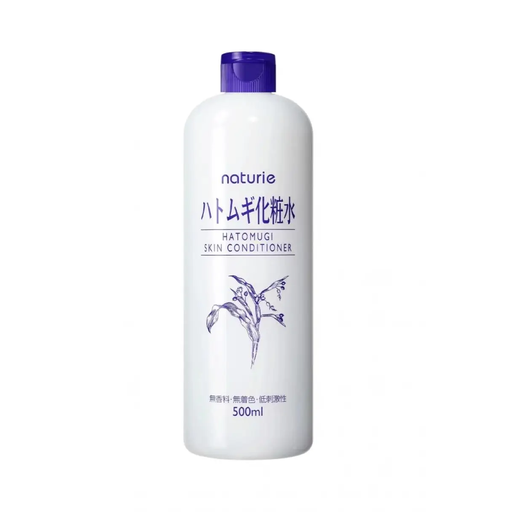
Why this product suits this profile: The 500 ml size is designed for frequent use and, according to the product details, can be used as an essence, toner or body-care product.
The generous size makes it easier to work out the price per millilitre. Before buying, compare the current ingredient list with your skin’s sensitivities.
A 500 ml size and several possible uses, according to the product details.
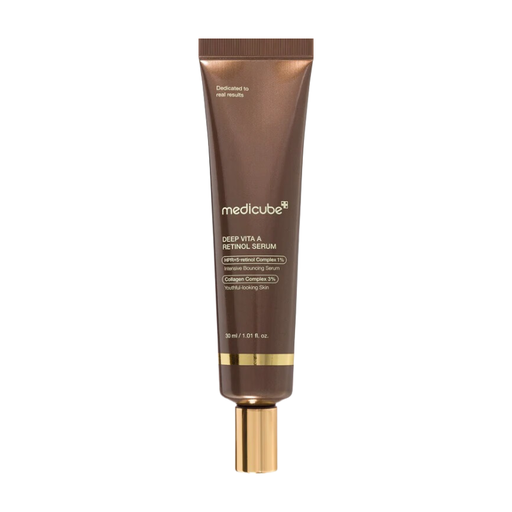
Why this product suits this profile: According to the listed INCI ingredients, the serum contains retinal, retinol and other vitamin A derivatives. It’s intended for users who want to build a clearly defined evening skincare routine.
The vitamin A ingredients can be identified in the ingredient list. Gradually introducing the product and using sun protection during the day remain important; stop using it if irritation occurs.
Retinal and retinol in the listed INCI ingredients, plus a 30 ml size.
The usual order is:
You shouldn’t automatically combine several serums. Vitamin C, retinoids and exfoliating acids in particular may be too much for sensitive skin when used together. Introduce new products one at a time so you can identify any reactions more easily.
We’ve put together a complete, regularly updated list of products that meet these strict selection criteria and fully comply with the safety regulations in force in the EU.
Many product instructions recommend two to three drops. The exact amount depends on the texture, packaging and size of the area you’re treating. Using more product doesn’t automatically improve its skincare benefits.
Check the best-before date, the period-after-opening symbol and the instructions on the packaging. Vitamin C and retinoid products should generally be stored away from light and kept tightly closed. A noticeable change in colour, smell or consistency is a reason to stop using the product.
A serum for sensitive skin should ideally have a straightforward formula and contain ingredients that you know your skin tolerates. Fragrance, high concentrations and several active ingredients can make choosing a product more difficult. A patch test and gradual introduction are a good idea.