
Lieferung heute & morgen

Qualitätsgarantie

Willkommens-Angebote freischalten: KOSTENLOSE Lieferung | Bis zu 80 % RABATT | Kostenlose 30-Tage-JoyPlus-Testphase
App herunterladen
A face serum is a cornerstone of any effective skincare routine. With highly concentrated active ingredients, it targets specific skin concerns—from dryness and wrinkles to dark spots. However, the market is overwhelming, filled with marketing promises that often create more confusion than clarity. Many products fail to deliver, leading to disappointment and wasted money.
As your Joybuy Product Recommendation Officer, I'm here to help you understand the critical factors. This guide will show you how to avoid common purchasing traps and select a serum that truly aligns with your skin type and goals.
Before you invest, it's crucial to recognise three common marketing traps that often lead to poor purchasing decisions.
To find the right face serum, focus on these three objective parameters instead of advertising claims.
The active ingredient is the heart of any serum. Educate yourself on the function of the most common ingredients to make an informed decision:
A potent active ingredient isn't enough—it has to get to where it needs to work. The overall formulation is therefore just as important. Pay attention to the following aspects:
The best serum is useless if it doesn't suit your skin.
Instead of making a blanket recommendation, we have identified products that are tailored to specific user profiles and their needs.
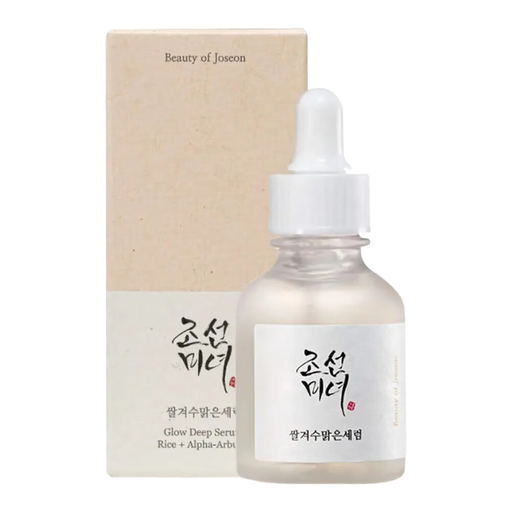
Why This Fits Their Persona: Ideal for those who want to target hyperpigmentation and an uneven skin tone without resorting to harsh active ingredients. Alpha-arbutin is a well-tolerated alternative to other brightening ingredients, making it great for beginners.
This serum avoids the "ingredient cocktail" trap by focusing on a clear and proven combination: 2% alpha-arbutin and niacinamide. The formulation is targeted and not overloaded.
Its base of 68% rice bran water provides hydration and supports the brightening effect. The lightweight texture absorbs quickly and is suitable for most skin types.
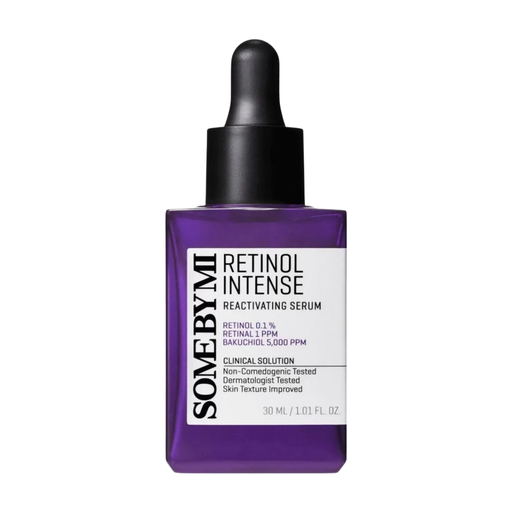
Why This Fits Their Persona: Suitable for those looking for an effective serum for wrinkles and are either starting with retinoids or need a gentle option for sensitive skin. It targets fine lines, loss of elasticity, and a refined skin texture.
This product addresses the "myth of high percentages" by using a smart combination: 0.1% retinol, retinal, and bakuchiol. The patented "Elastic-Liposome" delivery system ensures stable delivery and minimises irritation.
The triple-action complex offers a comprehensive approach to skin renewal. The formulation is designed to reduce the typical side effects of retinoids, such as redness and flaking.
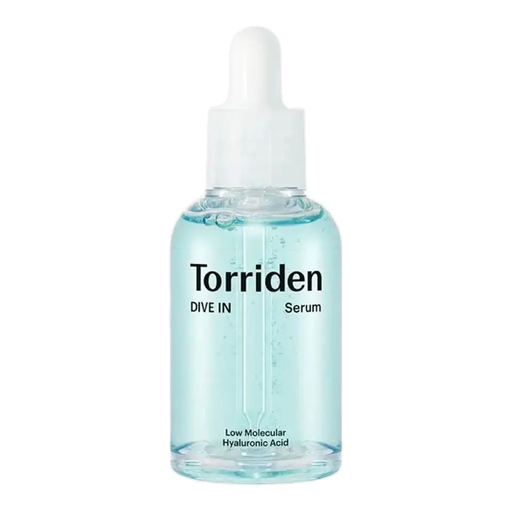
Why This Fits Their Persona: Perfect for anyone whose skin feels dry, tight, or dull. This hyaluronic acid serum is a pure hydration booster that can be easily integrated into any existing routine and is suitable for all skin types, including sensitive skin.
It avoids the "one-size-fits-all" trap by focusing on a single task: intense hydration. It doesn't promise miracles but reliably delivers moisture through a thoughtful complex of active ingredients.
The 5D complex of hyaluronic acid with different molecular weights ensures hydration across different layers of the skin. The formula is vegan, fragrance-free, and absorbs without a trace.
We have compiled a complete, up-to-date list of products that fully meet these strict selection criteria and German safety regulations.
1. How long does it take for a face serum to work? The time it takes to see results depends on the ingredient and the skin concern. A moisturising serum with hyaluronic acid often shows an immediate plumping effect. For active ingredients that target cell renewal, like retinol (for wrinkles) or vitamin C (for dark spots), patience is required. It can take 8 to 12 weeks to see the first visible and lasting improvements in skin texture, as the skin needs time to renew itself.
2. Can I use multiple face serums at the same time? Yes, so-called "layering" is possible and often beneficial. As a rule of thumb, apply products from the thinnest to the thickest consistency. However, be cautious when combining highly potent active ingredients. For example, it is often advised not to mix highly concentrated vitamin C and retinol in the same application routine to minimise the risk of irritation. A common practice is to use vitamin C in the morning (for antioxidant protection) and retinol in the evening.
3. Do I still need to apply a cream after a moisturising serum? Yes, this is highly recommended in most cases. A hyaluronic acid serum acts as a humectant, meaning it attracts and binds moisture in the skin. A subsequent moisturiser often contains occlusive ingredients that lock this moisture into the skin and prevent it from evaporating. Without this sealing step, the skin could paradoxically lose even more moisture, especially in dry air.