
Lieferung heute & morgen

Qualitätsgarantie

Willkommens-Angebote freischalten: KOSTENLOSE Lieferung | Bis zu 80 % RABATT | Kostenlose 30-Tage-JoyPlus-Testphase
App herunterladen
A face serum can complement your skincare routine in a targeted way. However, there is a huge choice available: K-Beauty serums, hyaluronic acid serums, niacinamide serums, vitamin C serums, retinol serums and PDRN serums differ considerably in terms of active ingredients, texture, application and skin compatibility. If you base your choice solely on percentage figures or terms such as “glow” and “anti-ageing”, you may easily end up buying a product that does not suit your skin.
A higher percentage is not automatically better. Niacinamide, vitamin C derivatives and retinoids can be tolerated differently depending on the formulation and the condition of your skin. A highly active serum can feel uncomfortable, especially on sensitive skin. The complete INCI list, recommended usage and a gradual introduction are therefore key considerations.
This statement does not necessarily indicate how the serum will feel or perform on dry, blemish-prone or sensitive skin. Looking at the texture can help: water-based formulations are often suitable for combination and blemish-prone skin, while added humectants or barrier lipids may be worth considering for dry skin. Fragrances and alcohol may also be additional selection criteria for sensitive skin.
Terms such as “cellular renewal”, “pore refining” or “anti-wrinkle serum” are cosmetic marketing claims and should not be equated with medical efficacy. Instead, check the fill quantity, ingredients, period after opening, origin, manufacturer information and usage instructions. The INCI list on the packaging is authoritative, as product information may be updated.
For dry skin, glycerine, panthenol, hyaluronic acid, beta-glucan and ceramides are useful ingredients to look out for. A serum for blemish-prone skin should have a lightweight texture and should not automatically be considered an acne treatment. For sensitive skin, a serum for sensitive skin without unnecessary fragrances and with a straightforward combination of active ingredients is recommended.
Before using a product for the first time, carrying out a patch test on a small area of skin is advisable. If redness, burning, itching or swelling persists, discontinue use and seek dermatological advice if necessary.
30 ml is a common size for many face serums, while 50 to 150 ml options are designed for longer-lasting or more generous use. Ampoules offer convenient single portions, but create more packaging. Also check whether the product should be used in the morning, in the evening or only at specific intervals. Active ingredient combinations such as retinoids and strong acids should not be combined in the same routine without careful consideration.
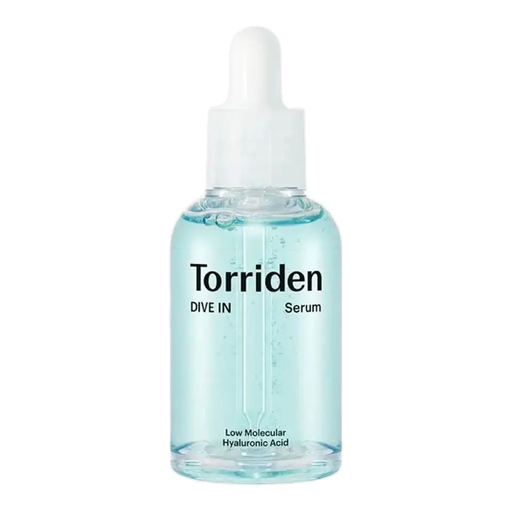
Why this product suits this profile: With its lightweight formula containing five types of hyaluronic acid, panthenol and Ceramide NP, it is a straightforward introduction to hydrating skincare.
The product description states the 50 ml fill quantity, a fragrance-free formula and clear instructions to apply after cleansing.
Five forms of hyaluronic acid, plus panthenol, Ceramide NP and beta-glucan according to the product information.
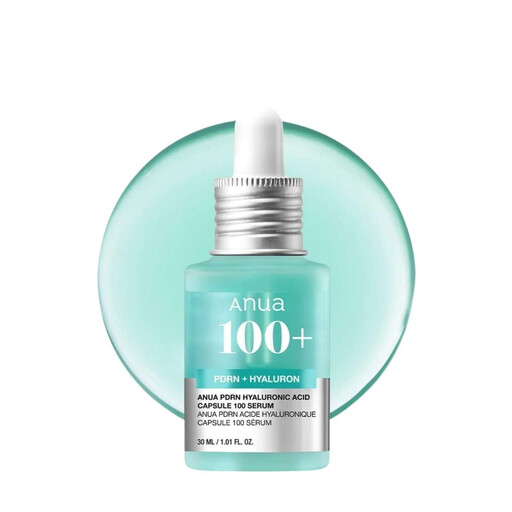
Why this product suits this profile: If you are looking for a Korean face serum with several hydrating components and complementary active ingredients, this product offers a comprehensive INCI list.
The product information lists 11 types of hyaluronic acid and confirms that no synthetic fragrances or alcohol are used. The packaging remains the definitive source for the current INCI list.
Hyaluronic acid, niacinamide, hydrolysed collagen and Sodium DNA according to the product description; watery texture.
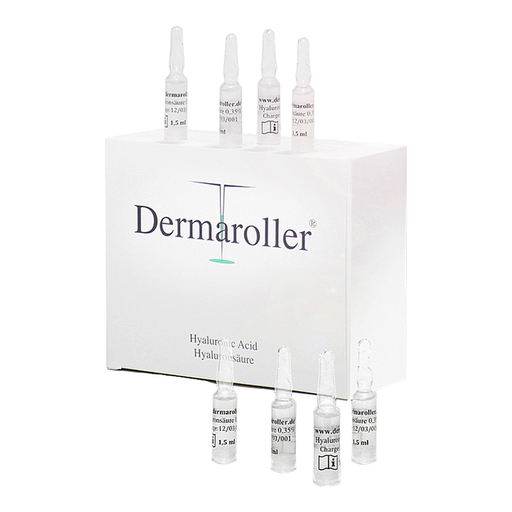
Why this product suits this profile: The individual 1.5 ml ampoules are ideal for users who prefer pre-measured applications or a short-term intensive routine.
The 30 individual portions make the dosage easy to understand. Extra care is required when opening the glass ampoules.
0.35% hyaluronic acid according to the product description; 30 pre-measured ampoules for controlled application.
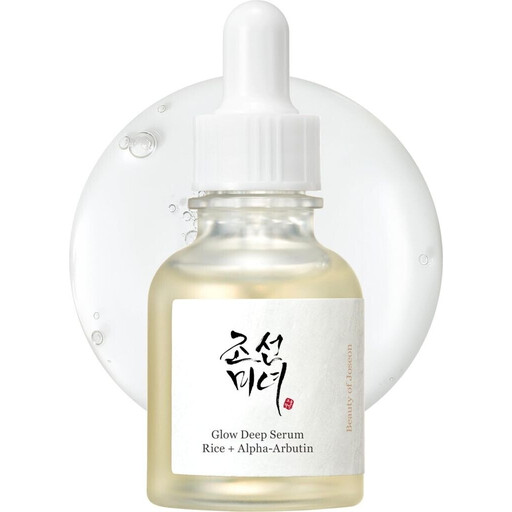
Why this product suits this profile: The formula combines alpha-arbutin, niacinamide and rice water, making it suitable for those who want to support a more even-looking complexion as well as hydration.
The key active ingredients are clearly listed in the INCI list. Visible results are not guaranteed and depend on your routine, skin condition and UV protection.
30 ml fill quantity; alpha-arbutin, niacinamide and panthenol according to the product information.
We have put together a complete, regularly updated list of products that fully meet these strict selection criteria and the safety regulations applicable in the EU.
In many cases, two to three drops are enough for the face and neck. However, the dosage instructions provided by the individual manufacturer are the decisive factor. Using more product does not automatically increase its skincare benefits and may feel uncomfortable on the skin.
The specific period after opening is stated on the packaging, often using an open-jar symbol accompanied by a number of months. Formulations that are sensitive to light, heat or air should be stored closed and in a dry place. If the smell, colour or consistency changes, do not continue using the product.
Hydrating serums are generally easier to combine than highly active products. Retinol, retinal-containing formulations, highly concentrated vitamin C and chemical exfoliants should not be layered in the same application without a carefully planned routine. Introducing a few products gradually makes it easier to assess skin compatibility.