
Lieferung heute & morgen

Qualitätsgarantie

Willkommens-Angebote freischalten: KOSTENLOSE Lieferung | Bis zu 80 % RABATT | Kostenlose 30-Tage-JoyPlus-Testphase
App herunterladen
A face serum can be a useful addition to your skincare routine, but it is not automatically suitable for every skin type. Many products promote terms such as “Glow”, “Glass Skin” or “Repair” without clearly showing which ingredients they actually contain. For UK consumers, the INCI list, application instructions and skin compatibility are therefore more important than eye-catching marketing claims.
A hyaluronic acid serum can help bind moisture, but it does not necessarily replace a cream for dry skin. Similarly, a vitamin C serum can help even out the appearance of the complexion, but may feel uncomfortable on sensitive skin. The key factors are the combination of active ingredient, concentration, texture and personal skin compatibility.
A lightweight hydrating serum may feel comfortable on combination skin, while very dry skin may also need lipids or ceramides. When choosing a serum for sensitive skin, you should also look out for potential fragrances, alcohol and highly exfoliating acids.
A facial ampoule is applied externally. Liquid collagen products in portioned sticks or drinkable ampoules, on the other hand, are food supplements rather than face serums. These products have their own instructions, such as recommended daily amounts and guidance for certain groups of people. You should therefore check exactly what type of product it is before buying.
First, match your desired result to the relevant ingredient category:
Ingredients are listed in descending order by the amount used. Do not focus only on the advertised key active ingredient; also look out for Parfum, Alcohol Denat., essential oils and exfoliating acids. These ingredients are not inherently problematic, but they may call for cautious use on sensitive or already irritated skin.
One example is the ISDIN Isdinceutics Flavo-C Melatonin Night Repair Serum: according to the product information, it contains vitamin C derivatives, bakuchiol, melatonin, fragrances and denatured alcohol, among other ingredients. For people sensitive to fragrance, carrying out a patch test beforehand is advisable.
A serum is usually applied after cleansing and, where applicable, after toner. Follow with a cream if your skin needs additional protection or more lipids. In the morning, you should also use a suitable sun protection product.
Check the following before buying:
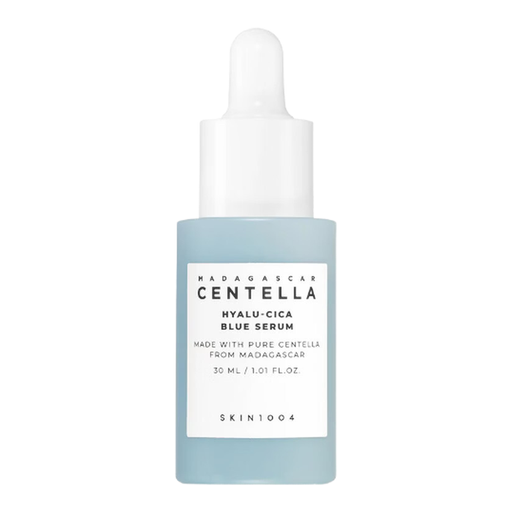
Why this product suits the profile: Its gel-like texture and combination of Centella asiatica, glycerin, niacinamide and several forms of hyaluronic acid are designed for a straightforward hydrating routine.
The advertised hydrating properties can be checked against the listed humectants and hyaluronic acid derivatives.
30 ml contents; contains Ceramide NP, panthenol and various forms of hyaluronic acid.
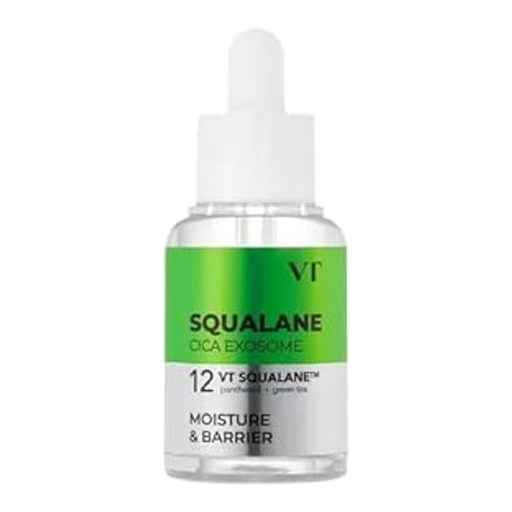
Why this product suits the profile: The serum combines squalane, Ceramide NP, panthenol, glycerin and sodium hyaluronate, making it suitable for users who want to combine hydration with lipid-like nourishment.
The selection is based on specifically named barrier-supporting ingredients, rather than solely on a general hydration claim.
30 ml contents; can be used morning and evening according to the product information.
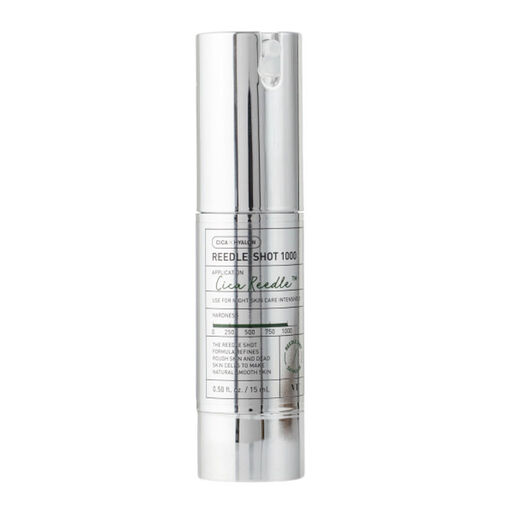
Why this product suits the profile: It is aimed at users looking for a Korean serum focused on skin texture and exfoliating ingredients, who are comfortable introducing it gradually.
The product information explicitly mentions possible tingling, a patch test and starting at a lower intensity.
1000 ppm microneedle-like ingredients; contains niacinamide, hyaluronic acid, lactic acid and lactobionic acid.
We have put together a complete, regularly updated list of products that fully meet these strict selection criteria and the safety regulations applicable in the EU.
Start with one new product rather than combining several active formulas at the same time. Apply the serum after cleansing to slightly damp skin, unless the product instructions state otherwise. You can then follow with a moisturiser.
When using a vitamin C serum, peptide serum or product containing acids, monitor your skin’s reaction over several applications. A salicylic acid serum for blemish-prone skin should not automatically be combined with additional exfoliants. Products that create a tingling sensation, such as the Reedle Shot, require particular caution and are not intended for damaged or recently treated skin.
This depends on the formula. Hydrating serums containing glycerin, panthenol or hyaluronic acid are often used morning and evening. Acid-based, highly active or specially concentrated products should initially be used less frequently. Always follow the instructions on the packaging.
Refer to the PAO symbol and expiry date. Store the product in a dry, cool place away from direct sunlight. Single-use ampoules are normally used immediately after opening. If the smell, colour or consistency changes noticeably, stop using the product.
Not always, but a cream is often useful. A hydrating serum mainly provides moisture-binding ingredients. Applying a moisturiser afterwards can provide the skin’s surface with additional replenishing ingredients and complete the routine. For very dry or sensitive skin, this combination is often more practical than using a serum alone.