
Lieferung heute & morgen

Qualitätsgarantie

Willkommens-Angebote freischalten: KOSTENLOSE Lieferung | Bis zu 80 % RABATT | Kostenlose 30-Tage-JoyPlus-Testphase
App herunterladen
A face serum can be a targeted addition to your daily skincare routine. There’s plenty to choose from, from hydrating serums with hyaluronic acid to vitamin C serums, peptide serums and Korean face serums. But bold claims about active ingredients, unclear concentration details and unsuitable textures can make it harder to choose.
Three common pitfalls can easily end up costing you money:
The term “serum” simply describes a product category. What matters is the INCI list: the internationally standardised list of ingredients.
A percentage can only be assessed in the context of the whole product. Anua, for example, lists 10% azelaic acid. The product also contains hyaluronic acid, panthenol, Cica ingredients and ceramide NP. Beauty of Joseon Glow Deep Serum lists 2% alpha-arbutin and 68.6% rice water.
If you’re looking for a serum for sensitive skin, also check for fragrance, essential oils and any ingredients you know don’t agree with your skin. “Fragrance-free” doesn’t automatically mean a product will suit everyone. Before using it over a larger area, it may be worth patch-testing on a small area of skin.
Serums are usually applied after cleansing and, if you use one, after toner. Two to four drops are often enough, but follow the product instructions for the recommended amount. Apply a moisturiser afterwards if your skin needs extra care.
For vitamin C and other sensitive ingredients, light-protective packaging, a tightly sealed cap and storage away from heat are important. The PAO symbol on the packaging tells you how long the product should be used for after opening. Actual shelf life may vary between batches, so check the batch number, best-before date and current INCI list directly on the packaging.
The selection below compares products using clear criteria such as ingredients, texture, size and directions for use. It is not medical advice.
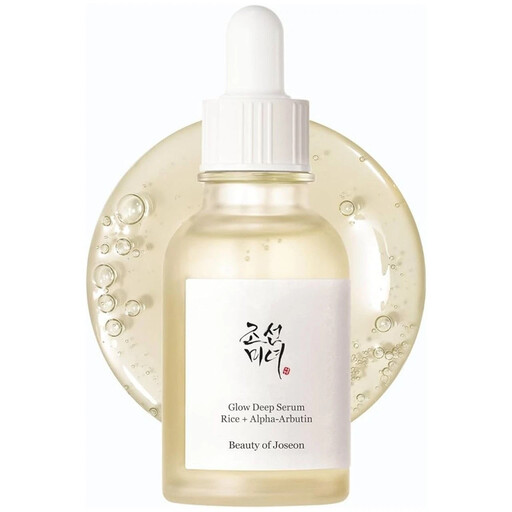
Why this product suits this profile: The 60ml size is a practical way to try a Korean face serum with rice water, alpha-arbutin, niacinamide and panthenol. Its lightweight texture is designed for a simple morning and evening routine.
The formula names specific ingredients and, according to the product description, is free from fragrance and essential oils. This makes it easier to compare with products that rely on general brightening claims.
60ml; alpha-arbutin, niacinamide and panthenol in a lightweight formula.
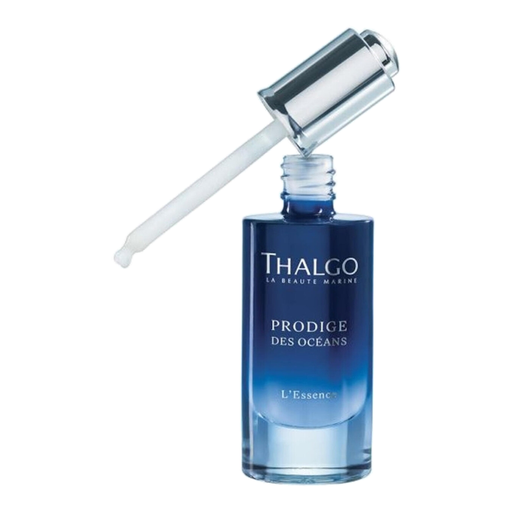
Why this product suits this profile: According to the product description, this 30ml serum features marine ingredients and a lightweight texture that absorbs quickly. It’s aimed at buyers who value a premium skincare routine and a clearly defined product concept.
The product description specifies the texture, size and focus on marine ingredients, rather than relying solely on a general anti-ageing claim.
Lightweight texture; 30ml; marine ingredients, according to the product information.
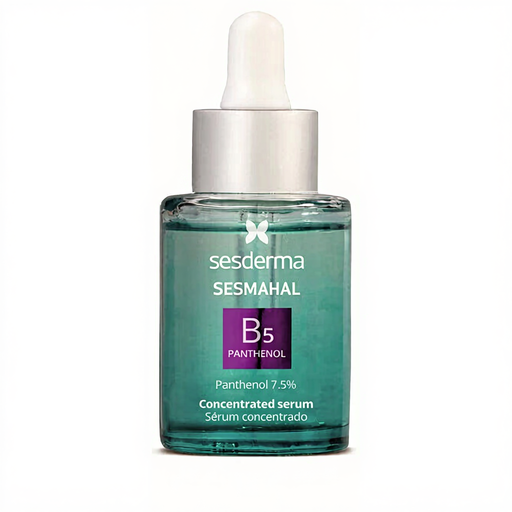
Why this product suits this profile: The formula combines panthenol with two molecular sizes of hyaluronic acid. According to the product description, it’s designed for sensitive, stressed and very dry skin.
The product information covers ingredient groups, how to use it, warnings and recommended follow-up care. This makes it less likely that you’ll choose a serum based on a marketing claim alone.
Panthenol; two forms of hyaluronic acid; 30ml; recommended for morning and evening use, according to the product information.
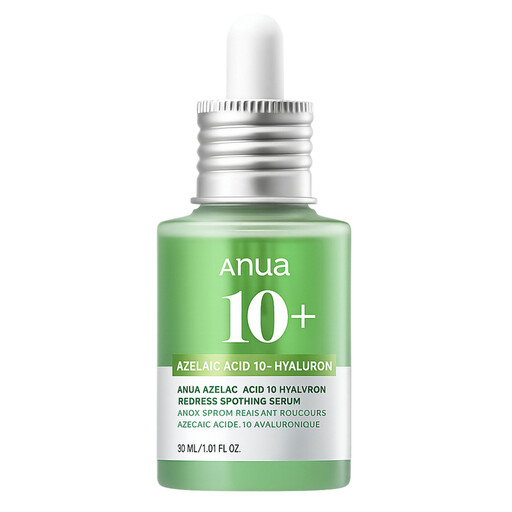
Why this product suits this profile: The serum combines 10% azelaic acid with hyaluronic acid, panthenol and Cica ingredients. If you’re specifically looking for an azelaic acid serum, this product clearly states its active ingredient focus.
According to the product information, start by using it once or twice a week, then gradually increase how often you apply it. This helps you introduce the active ingredient without making an abrupt change to your routine.
10% azelaic acid; hyaluronic acid and panthenol; guidance on introducing it gradually.
For dry skin, consider hydrating serums with glycerin, hyaluronic acid, panthenol or squalane. A serum doesn’t necessarily replace a moisturiser. Depending on how your skin feels, a combination of moisture-binding and skin-conditioning ingredients may work better than a very lightweight product on its own.
Follow the PAO symbol, best-before date and manufacturer’s instructions. Vitamin C serums should be particularly well protected from light, heat and air. A noticeable change in colour, smell or consistency may be a sign that you should stop using the product.
You can generally combine several serums, but not every combination of active ingredients will suit every skin type. If you have sensitive skin, introduce new products one at a time. It’s best to increase usage gradually, particularly with acids, vitamin C and azelaic acid.