
Lieferung heute & morgen

Qualitätsgarantie

Willkommens-Angebote freischalten: KOSTENLOSE Lieferung | Bis zu 80 % RABATT | Kostenlose 30-Tage-JoyPlus-Testphase
App herunterladen
A face serum can be a targeted addition to your skincare routine. Its lightweight texture often contains selected humectants or cosmetic active ingredients in a higher concentration than a classic face cream. However, a high percentage alone is not a reliable buying criterion. What matters is the overall formulation, how well your skin tolerates it and your specific skin needs.
“70%”, “2000 PPM” or “several types of hyaluronic acid” may initially sound impressive. However, these figures refer to different ingredients and cannot be directly compared. A high proportion of plant extract also says little about whether the texture will suit your skin.
That is why you should check the INCI list and assess the active ingredients according to their function:
A serum for all skin types may have a lightweight, uncomplicated base formula. That does not automatically mean it will feel equally comfortable on dry, oily or reactive skin. Fragrance, alcohol or a high number of plant extracts may be important selection criteria for some people.
If you have sensitive skin, look out for terms such as Parfum, essential oils and known fragrance allergens. Even a formula labelled “hypoallergenic” cannot completely rule out an individual reaction.
Hydrating ingredients attract water, but they do not generally replace a cream. Applying a suitable moisturiser after your face serum can help maintain a comfortable skin feel. In the morning, you should also include sun protection with a suitable SPF in your routine, especially if your serum is designed to promote a more even-looking complexion.
Start by defining your goal:
Watery serums are usually lightweight and apply easily under a cream. Richer textures may feel more comfortable on dry skin, but can feel too heavy on oily skin. Fragrance is not proof of quality. If your skin is prone to reactions, you may prefer a fragrance-free serum for sensitive skin.
30 ml is a common size for face serums, although some products contain 50 or 60 ml. A dropper makes it easier to dispense a small amount, while a pump bottle reduces direct contact with the skin. Follow the recommended amount, check the expiry date and look for the PAO symbol on the packaging. The actual ingredients list may change, so check the product itself before use.
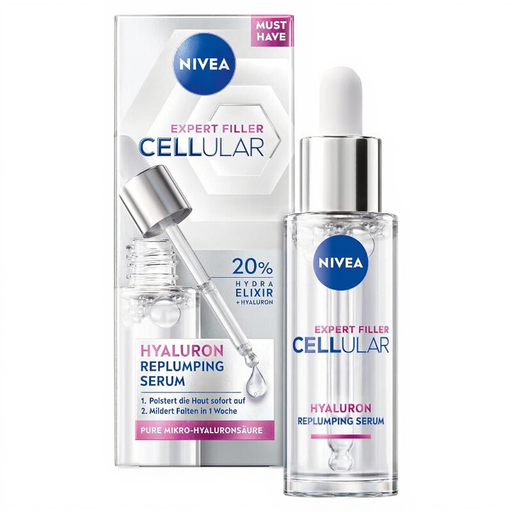
Why this product suits this profile: The 30 ml formula contains glycerin, Sodium Hyaluronate and aloe vera leaf juice powder. It can be easily incorporated into a simple morning and evening routine.
The relevant hydrating ingredients can be identified in the ingredients list. However, anyone who is intolerant to fragrance or alcohol should check the full INCI list.
Hyaluronic acid and glycerin; clear application before your day or night moisturiser.
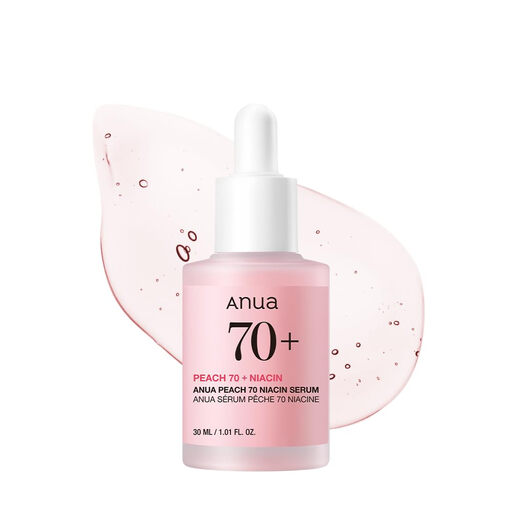
Why this product suits this profile: The formula contains 70% fermented peach extract, 5% niacinamide and three forms of hyaluronic acid. It is aimed at people who want to combine hydration with a more even-looking complexion.
The percentages are supported by specific INCI names. As the product contains fragrance, a patch test is advisable before regular use.
5% niacinamide; glycerin and several forms of hyaluronic acid.
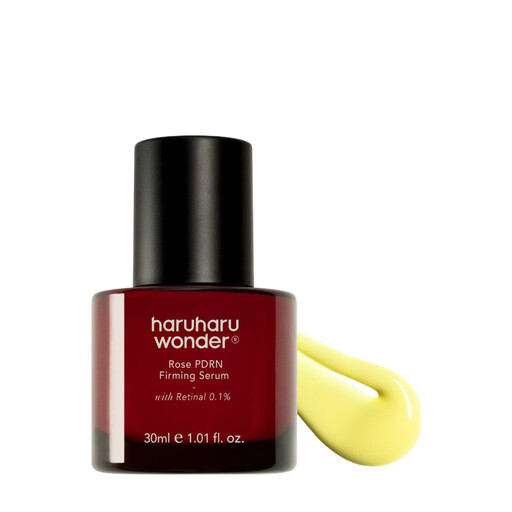
Why this product suits this profile: This serum combines Sodium DNA, niacinamide, adenosine, Ceramide NP and a complex of several forms of hyaluronic acid. It suits a multi-step routine focused on a comfortable skin feel and skin elasticity.
This selection is based not only on PDRN, but on the complete listed formula. If you have sensitive skin, test the product on a small area first to check how well you tolerate it.
Sodium DNA and Ceramide NP; several forms of hyaluronic acid in a 30 ml bottle.
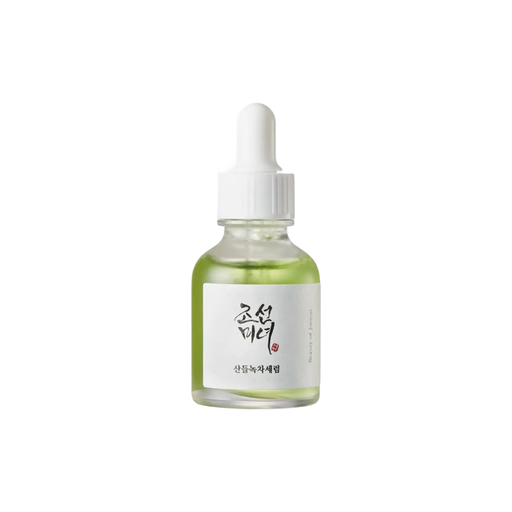
Why this product suits this profile: The fragrance-free formula contains green tea, panthenol, betaine, Sodium Hyaluronate, Centella asiatica and allantoin. It is designed for a simple, hydration-focused routine.
Leaving out fragrance removes a common trigger in facial skincare. However, an individual reaction is still possible, so a patch test is advisable.
Fragrance-free formula; panthenol, green tea and hyaluronic acid.
Apply your face serum after cleansing and, if appropriate, after toner. Two to three drops are often enough for the face; always follow the specific manufacturer's instructions. Follow with a cream. Avoid introducing a large number of new active ingredients at the same time. This makes it easier to identify which product your skin tolerates.
If redness, stinging, swelling or severe itching occurs, stop using the product and rinse your skin with water. If symptoms persist, seek dermatological advice. Do not apply products to open wounds or acutely irritated skin, and keep them out of the reach of children.
We have put together a complete, regularly updated list of products that fully meet these strict selection criteria and the safety regulations applicable in the EU.
Many products are intended for use in the morning and evening. With new formulations, it is sensible to start by using them once a day and monitor your skin's reaction. The instructions on the packaging take priority.
The expiry date and the PAO symbol on the packaging are the key points to check. Light, heat and frequent opening can affect product stability. Store your serum in a cool, dry place and keep it tightly closed.
The price depends on factors including the volume, brand, choice of active ingredients and packaging. Do not compare only the bottle price; also consider the volume in millilitres, recommended dosage and INCI list. This will give you a better idea of the product's real value for your routine.