
Lieferung heute & morgen

Qualitätsgarantie

Willkommens-Angebote freischalten: KOSTENLOSE Lieferung | Bis zu 80 % RABATT | Kostenlose 30-Tage-JoyPlus-Testphase
App herunterladen
A face serum can complement your skincare routine in a targeted way, but it is not automatically a miracle treatment. If you want to buy a Korean skincare serum, a niacinamide serum or a vitamin C serum, you should compare product claims with the actual information on the packaging. This is particularly important if you are looking for a more even-looking complexion, increased hydration or the so-called glass-skin effect.
A concentration of 10, 15 or 20 per cent may sound convincing at first. However, it does not by itself indicate whether a serum is suitable for your skin type. A niacinamide serum with 5 per cent may be a different choice for beginners than a product containing 20 per cent. If your skin is sensitive or prone to redness, it is advisable to test new active ingredients on a small area of skin first and introduce them into your routine gradually.
A serum for pigmentation or a brightening face serum may contain ingredients such as niacinamide, alpha-arbutin, tranexamic acid or vitamin C derivatives. This does not mean that every form of skin discolouration will be eliminated. Cosmetic products can help care for the appearance of the skin; if you have noticeable, new or changing marks, it is sensible to seek a dermatological assessment.
Terms such as “glass skin”, “glow” or “intense hydration” generally describe the desired product effect from a marketing perspective. What matters is the complete list of ingredients according to INCI, the pack size, the indicated skin type and the usage instructions. Fragrances and alcohol may also be relevant for some people. Product details should therefore be checked directly on the packaging, as formulations and batches may vary.
Different formulations may be suitable for a dull or uneven-looking complexion:
For dry skin, glycerin, panthenol, ceramides and hyaluronic acid are often interesting ingredients. A serum for sensitive skin should ideally have a straightforward formulation and contain none of your known individual triggers. If you are prone to blemishes, you may wish to look for lightweight, non-heavily occlusive textures. However, a serum for blemish-prone skin is not automatically suitable for every form of acne.
Fragrances, essential oils, alcohol or high concentrations of active ingredients may be problematic for sensitive skin. A patch test is not a substitute for individual advice, but it can help identify a possible intolerance at an early stage.
Most of the serums mentioned here are applied after cleansing and toner, using around two to four drops. Follow with moisturiser and, in the morning, sun protection with a suitable SPF. This is particularly relevant if your routine is focused on achieving a more even-looking complexion.
Also pay attention to:
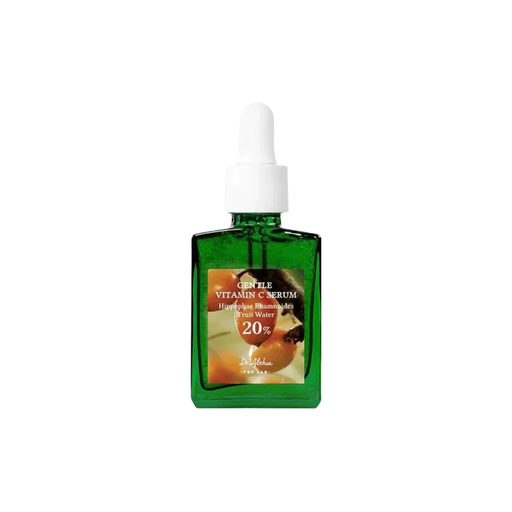
Why this product suits this profile: The lightweight, hydrating formulation is an interesting option for people who want to introduce a vitamin C serum into their routine for the first time. The listed ingredients include sea buckthorn fruit water, niacinamide and 3-O-Ethyl Ascorbic Acid.
The product details specify a vitamin C derivative rather than an unexplained high dose. Nevertheless, you should check the complete INCI list and your individual skin tolerance.
30 ml content, lightweight texture and an oil capsule system according to the product description.
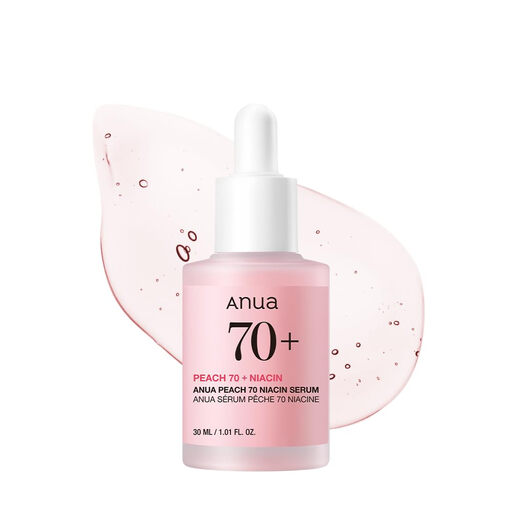
Why this product suits this profile: According to the INCI list, the serum combines 70 per cent peach extract, 5 per cent niacinamide, alpha-arbutin and three forms of hyaluronic acid. It is therefore aimed at users who want to combine several skincare goals in one formulation.
The active ingredients are clearly specified. As the product details list fragrances, anyone sensitive to fragrance should check the packaging before buying.
5 per cent niacinamide, several humectants and a defined 30-ml size.
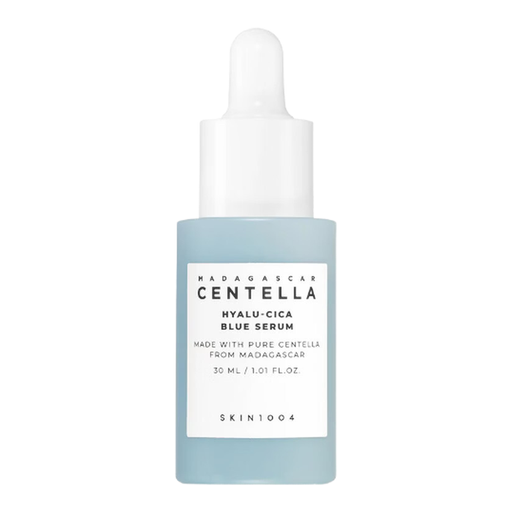
Why this product suits this profile: For dry, dehydrated or tight-feeling skin, the combination of Centella Asiatica water, five forms of hyaluronic acid, panthenol and Ceramide NP is particularly relevant.
The focus on hydration is supported by specifically listed ingredients. However, statements about the skin barrier should be understood as a description of cosmetic care.
30 ml, water-gel texture according to the product details and several forms of hyaluronic acid.
We have put together a complete, regularly updated list of products that fully meet these strict selection criteria and the safety regulations applicable in the EU.
Several strong active serums should not be introduced at the same time. This makes it easier to identify which product your skin tolerates well. If you experience burning, pronounced redness, swelling or itching, stop using the product and rinse your skin with water.
Many products are intended for use in the morning and evening, according to their instructions. When introducing a new active ingredient, initially using the serum every other evening is sufficient. The specific recommendation on the packaging and product page takes precedence.
The PAO symbol, best-before date and the manufacturer’s storage instructions are decisive. Once opened, a serum should be kept tightly closed, stored in a dry place and protected from direct sunlight. If its smell, colour or consistency changes noticeably, it should no longer be used.
For dry skin, hydrating serums containing glycerin, panthenol, ceramides or hyaluronic acid may be suitable. For sensitive skin, a straightforward INCI list without individually problematic fragrances is advisable. Every new formulation should initially be tested with care.