
Lieferung heute & morgen

Qualitätsgarantie

Willkommens-Angebote freischalten: KOSTENLOSE Lieferung | Bis zu 80 % RABATT | Kostenlose 30-Tage-JoyPlus-Testphase
App herunterladen
A face serum can be a targeted addition to your daily skincare routine. The choice ranges from lightweight hydrating serums to vitamin C serums, niacinamide serums and anti-ageing serums. However, the wide variety of active ingredients can make buying one confusing. A high price, eye-catching packaging or percentage figures alone do not show whether a face serum is genuinely suitable for your skin and skin type.
Figures such as “70% plant extract” or “10% azelaic acid” immediately catch the eye. However, the complete ingredient profile is what matters. A highly concentrated product may be unsuitable for sensitive or already irritated skin. Always check the full INCI list and follow guidance on introducing the product gradually.
A radiant, glossy complexion can be created by humectants, oils, film-forming agents or light-reflecting properties. This does not necessarily mean a long-term change in the appearance of your skin. A serum for pigmentation, a pore-refining serum or a soothing serum should therefore be chosen based on its specifically stated active ingredients – not solely on terms such as “Glass Skin” or “Radiance”.
A rich serum can feel heavy on oily skin or pill beneath sun cream and make-up. A very watery product may not provide dry skin with enough care on its own. Texture, dosage and the moisturiser applied afterwards are just as important for everyday usability as the active ingredient.
First, identify your main goal:
Ingredients are listed in descending order of the amount used, although specific rules apply to certain ingredients. Look for precise claims such as “3% snail secretion filtrate”, “5% niacinamide” or “10% azelaic acid”, where these are stated on the product page or packaging. Formulations may change for some products. The INCI list on the product you receive is therefore the definitive reference.
Formulations containing retinal or acids should not be combined thoughtlessly with other active products. If used in the morning, your routine should include sun protection with a suitable SPF. Stop using the product if you experience burning, persistent redness or itching.
30 ml is standard for many serums, while 50 or 100 ml ampoules may be more practical for daily use. A small dose of two to three drops is often sufficient. Check the expiry date, batch number and PAO symbol on the packaging. Keep the product closed, dry and protected from direct sunlight.
The following selection categorises products by active-ingredient profile, texture, fill quantity and intended use. The details are based on the product information provided.
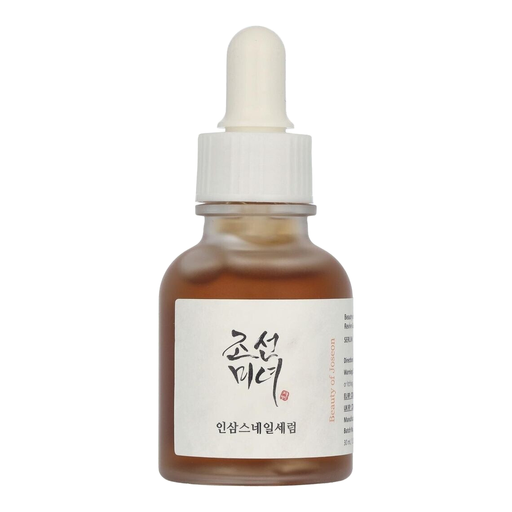
Why this product suits this profile: The formula combines ginseng, 3% snail secretion filtrate, niacinamide and hyaluronic acid in a compact 30 ml bottle. It is suitable for people who want to combine hydration and skincare in one product.
The product information names specific ingredients and recommends a dose of two to three drops, rather than relying solely on a general glow claim.
30 ml content; hyaluronic acid, niacinamide and Centella Asiatica are included in the stated INCI list.
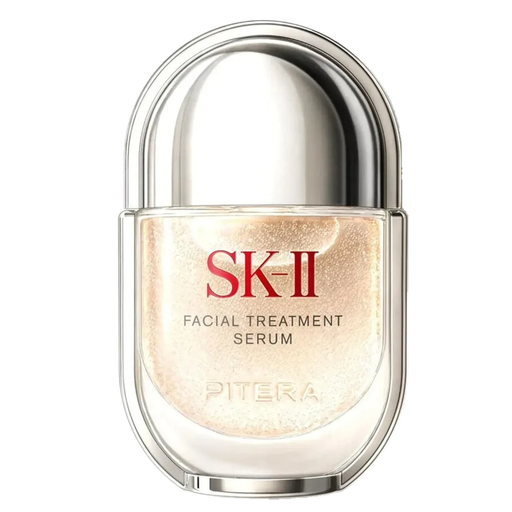
Why this product suits this profile: According to the product description, the gel-like texture combines concentrated PITERA with Micro Oil Beads III. Suitable for users who prefer a sensorially rich, fragranced serum.
The texture is specifically described as jelly-like at first and more watery when spread. This makes it easier to judge whether it suits your own skincare routine.
50 ml content; PITERA and Micro Oil Beads III are listed as the product’s key ingredients.
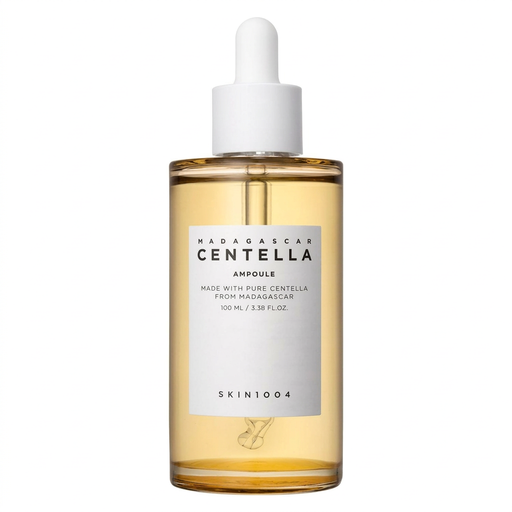
Why this product suits this profile: The ampoule contains 100 ml and is described as a lightweight, watery product with Centella Asiatica extract. This makes it practical for frequent use in a Korean skincare routine.
Its clear focus on a lightweight texture and a concise selection of active ingredients makes it easier to assess than overloaded formulations.
100 ml content; according to the product information, it contains no parabens, added fragrance or alcohol.
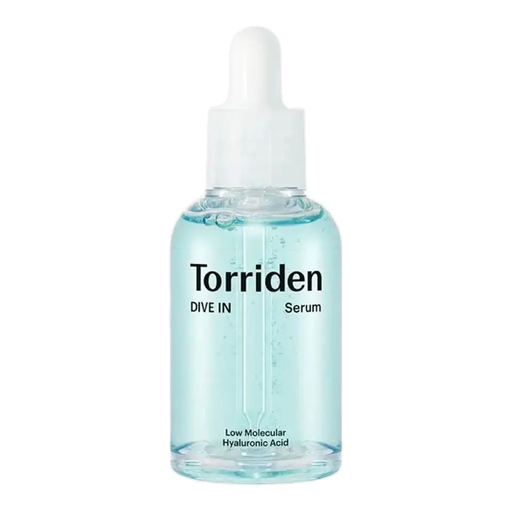
Why this product suits this profile: If you are mainly looking for a lightweight hyaluronic acid serum for your daily routine, this product offers five stated forms of hyaluronic acid along with panthenol, ceramide NP and beta-glucan.
The product description specifies the texture, absence of fragrance and individual hydrating ingredients. This makes the choice less dependent on vague “Deep Moisture” claims.
50 ml content; five hyaluronic acid variants, panthenol and ceramide NP according to the stated ingredients list.
We have put together a complete, regularly updated list of products that fully meet these strict selection criteria and the safety regulations applicable in the EU.
This depends on the formulation. Hydrating serums can often be used in the morning and evening. With retinal, acids or concentrated combinations of active ingredients, it is sensible to introduce them gradually. Always follow the usage instructions on the packaging and product page.
The PAO symbol on the packaging, such as “6M” or “12M”, indicates the recommended period of use after opening. You should also monitor the smell, colour and consistency. Changes may indicate compromised product quality. Check the expiry date and batch number before first use.
The price depends on factors including the brand, fill quantity, active-ingredient profile and packaging. Compare the price per 10 ml and check that the ingredients you want are actually listed in the INCI list. A less expensive product may be sufficient for your skincare goal; a higher price is not proof of quality on its own.