
Lieferung heute & morgen

Qualitätsgarantie

Willkommens-Angebote freischalten: KOSTENLOSE Lieferung | Bis zu 80 % RABATT | Kostenlose 30-Tage-JoyPlus-Testphase
App herunterladen
The face serum market can be overwhelming. Countless products promise visible results, but not every serum lives up to its marketing claims. Many users invest in products that are unsuitable for their skin type or have an active ingredient concentration too low to make a real difference. The result is not only wasted money but also frustration when the hoped-for improvements fail to appear.
This guide will help you understand the key criteria for selecting the right face serum for your individual needs. We'll highlight the most common pitfalls and show you what to look for when making your choice.
Before deciding on a product, it's helpful to recognise common marketing strategies that often lead to poor purchasing decisions.
To find the right serum, three technical aspects are more important than any advertising slogan. An informed decision is based on understanding the ingredients and how they work.
The effectiveness of a serum is directly dependent on the concentration of its active ingredients. A Niacinamide Serum, for example, often shows its positive effects on the skin barrier and sebum production at concentrations between 5% and 10%. A Vitamin C Serum is most effective when it contains a stable form of Vitamin C (like L-Ascorbic Acid) in a concentration of 10–20%. Products that don't provide exact percentages require a critical look at the ingredients list.
The INCI list (International Nomenclature of Cosmetic Ingredients) is the most important tool for evaluating a product. Ingredients are listed in descending order of their concentration. The first five to seven positions typically make up the majority of the formulation.
A serum is a specialist for targeted tasks. Your selection should therefore always be based on your individual skin condition and desired outcome.
Based on objective criteria such as ingredient combination, transparent labelling, and specific application purpose, we have compiled a selection of products for different user profiles.
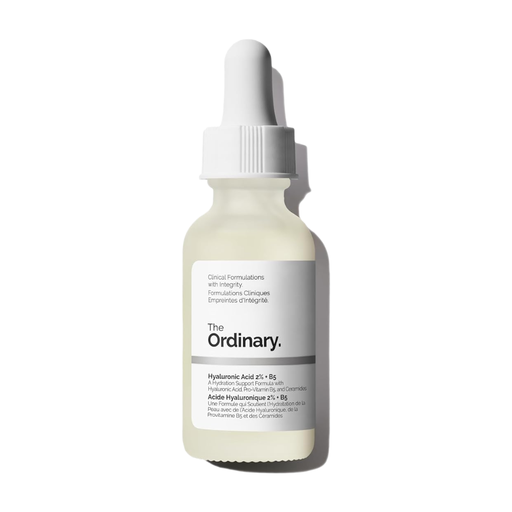
Why This Fits Their Persona: Ideal for users seeking a straightforward and effective solution for skin hydration. The formula focuses on the core task of hydration without unnecessary additives.
The product name is transparent, clearly stating the concentration of the main active ingredient (2% Hyaluronic Acid). It makes no vague promises.
Combines hyaluronic acid of different molecular weights for multi-level hydration and includes Vitamin B5 (Panthenol) to support the skin barrier.
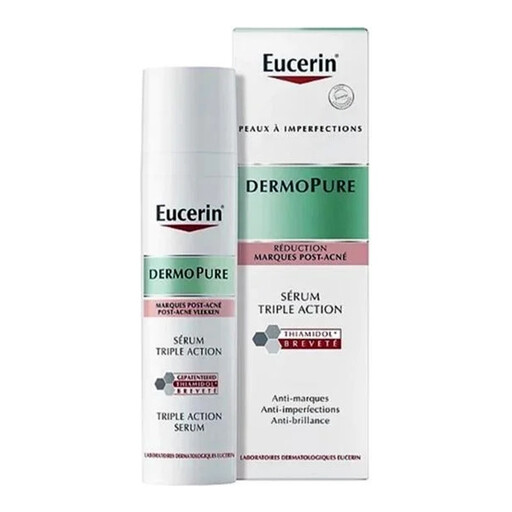
Why This Fits Their Persona: Designed for individuals seeking a targeted solution for blemishes, post-blemish marks, and an uneven complexion. It addresses multiple aspects of acne-prone skin in one product.
This serum isn't a do-it-all product, but a specialist one. The marketing clearly focuses on its three areas of action (anti-blemish, anti-marks, anti-shine) and the ingredients responsible.
The formula combines salicylic acid to combat blemishes with Beiersdorf's patented ingredient, Thiamidol, which, according to the manufacturer, targets the reduction of post-blemish marks.
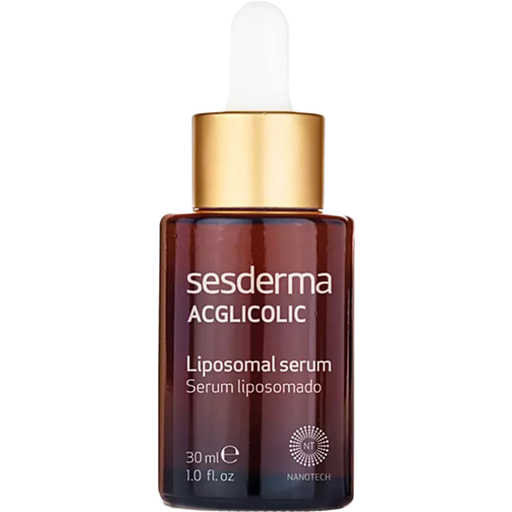
Why This Fits Their Persona: Suitable for experienced users who are aiming for intensive skin texture renewal and want to leverage the efficacy of glycolic acid in an advanced formulation.
This product doesn't rely on a single simple active but on a sophisticated formulation technology. The liposomal encapsulation is a clear differentiating feature that goes beyond pure marketing.
The liposomal encapsulation of the glycolic acid allows for deeper penetration and a controlled release. This can increase efficacy while reducing the potential for skin irritation.
We have compiled a complete, up-to-date list of products that fully meet these strict selection criteria and all applicable safety regulations.
A serum should always be applied after cleansing and any toner, onto dry or slightly damp skin. Its lightweight texture allows the active ingredients to penetrate deeply. After the serum, follow up with richer products like a moisturiser and, during the day, always finish with a sunscreen.
Yes, "layering" is possible, but it requires some knowledge. As a general rule, apply products from the thinnest to the thickest consistency. However, be cautious when combining highly potent ingredients. For instance, strong acids (AHA/BHA), high-concentration Vitamin C, and retinoids should not necessarily be mixed in the same routine to avoid skin irritation. A common method is to use certain actives in the morning (e.g., Vitamin C, hyaluronic acid) and others in the evening (e.g., acids, retinoids).
The effect is highly dependent on the ingredient. A hyaluronic acid serum can show an immediate plumping effect by hydrating the top layer of the skin. For active ingredients that target cell turnover or pigmentation (like glycolic acid, Vitamin C, or niacinamide), patience is required. Visible improvements in skin texture or a reduction in dark spots can take four to twelve weeks of consistent use.