
Lieferung heute & morgen

Qualitätsgarantie

Willkommens-Angebote freischalten: KOSTENLOSE Lieferung | Bis zu 80 % RABATT | Kostenlose 30-Tage-JoyPlus-Testphase
App herunterladen
Dark spots, acne scars and an uneven skin tone are among the most common reasons people search for a targeted face serum. The options range from a vitamin C serum to an alpha-arbutin serum and a tranexamic acid serum. But not every product suits every skin type. A flashy package or a promise like “radiant complexion” says little about tolerance, active ingredient concentration or everyday use.
This buying guide from the Joybuy Product Recommendation Officer selection shows which criteria matter before buying a serum for dark spots, and which products may suit different skin profiles.
A vitamin C serum with a high proportion of ascorbic acid can be interesting for experienced users, but can be a challenge for sensitive or irritated skin. Acids such as glycolic acid, salicylic acid or an AHA-BHA-PHA complex can also put more strain on the skin.
What matters, therefore, is not just the percentage, but the entire product profile: additional humectants, fragrances, alcohol, pH value and instructions for gradual use.
A serum for an even skin tone can cosmetically address the visible appearance of dark spots. However, UV radiation can encourage the formation or intensification of discolouration. For products with vitamin C, fruit acids or retinal, the product information often recommends sun protection during the day.
A serum without a suitable daily moisturiser with UV protection can therefore fall short of your expectations. Sun protection is not an optional extra, but an important part of a routine for the appearance of uneven skin.
Starting an alpha-arbutin serum, a retinal serum and a peeling serum all at once makes it difficult to assess tolerance. For sensitive, blemish-prone or acne-prone skin, new products should be introduced one at a time. A patch test on a small area of skin can be sensible before first use.
The full ingredients list according to INCI is more informative than general terms like “glow” or “brightening”. Look out for:
Cosmetic products for the German market must, among other things, meet the requirements of the EU Cosmetics Regulation. Nevertheless, you should check the batch number, expiry date and the labelling of the responsible person on the packaging.
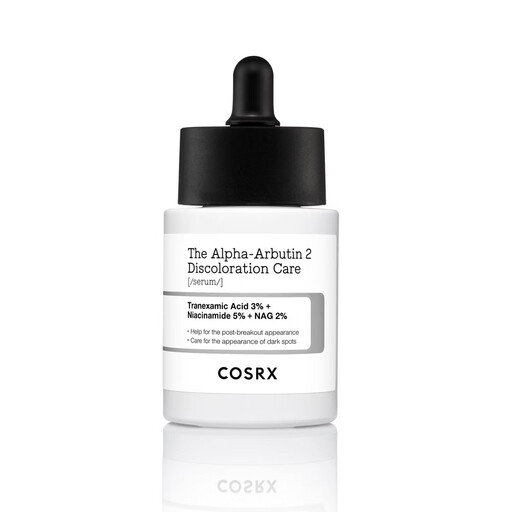
Why it fits the profile: A manageable choice for people looking for a serum for hyperpigmentation with several supporting ingredients.
According to the product description, 2% alpha-arbutin, tranexamic acid and niacinamide are clearly stated. This makes the concentration easier to assess than a vague “brightening” promise.
50 ml content, five forms of hyaluronic acid according to the product information, and a fragrance-free formulation.
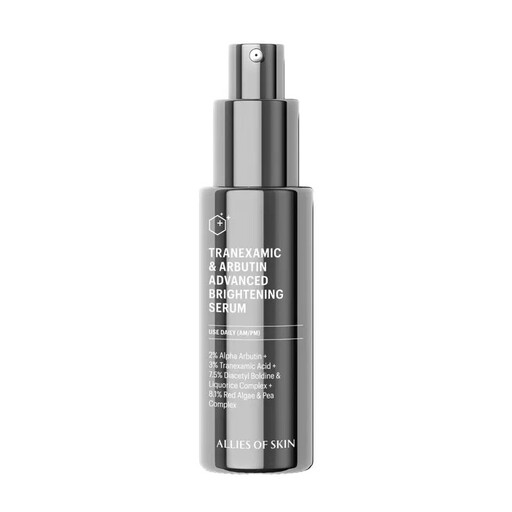
Why it fits the profile: For users who prefer a concentrated tranexamic acid serum with alpha-arbutin and plan a consistent routine.
According to the product description, 3% tranexamic acid and 2% alpha-arbutin are stated. Application advice for sun protection and discontinuing use if irritation occurs is also provided.
Liquid texture, suitable for application on damp skin according to the product information, and ophthalmologically tested.
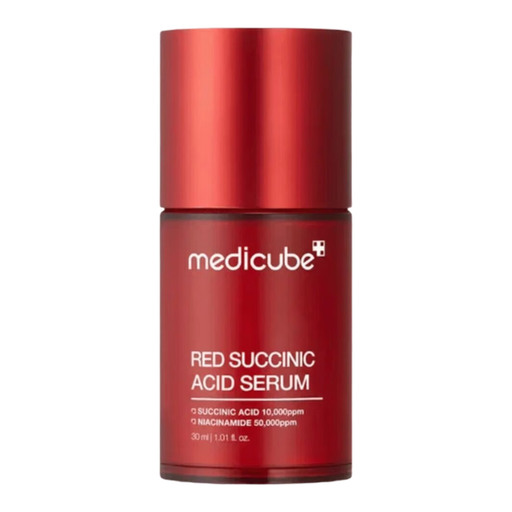
Why it fits the profile: An option for people who associate dark spots with visible pores, shine or a textured skin appearance.
The product description states 5% niacinamide, 1% succinic acid and 0.2% salicylic acid. This allows you to compare the formulation more precisely with other acid products.
Ceramide complex, panthenol and beta-glucan according to the product information; lightweight texture with a described mattifying finish.
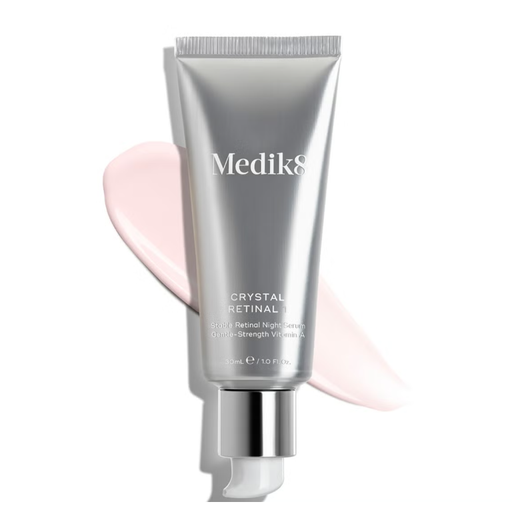
Why it fits the profile: For users who want to address fine lines and uneven-looking skin texture alongside hyperpigmentation.
The product information states 0.01% stabilised retinal and recommends a gradual increase from twice a week to more frequent use.
Hyaluronic acid, glycerin and vitamin E according to the product description; intended exclusively for the evening routine.
Start with a few drops on cleansed skin and follow the manufacturer's instructions. A moisturising product can then balance the skin feel. For a product with acids or retinal, daily use should not be assumed automatically.
The ongoing costs depend mainly on three factors: pack size, dosage per application and shelf life after opening. A 30 ml serum is not necessarily cheaper than a 50 ml product if significantly more drops are needed. For vitamin C or activated formulas, storage and usage period should also be considered.
A uniform duration of effect cannot be reliably stated. The visible appearance of dark spots depends, among other things, on skin type, cause, UV exposure and routine. Use the product according to the labelling and discontinue use if irritation persists.
That depends on the specific formulation and your skin's tolerance. Several active ingredients may already be combined in one product. With separate serums, a gradual introduction is recommended rather than starting all products at once. For sensitive skin, a simple routine with one carefully chosen serum is often easier to assess.
For this skin profile, a niacinamide serum, a serum with salicylic acid or an alpha-arbutin serum could be of interest. However, check whether fragrances, alcohol or several acids are also included. For severe, inflammatory or persistent skin changes, the cause should be clarified by a dermatologist.