
Lieferung heute & morgen

Qualitätsgarantie

Willkommens-Angebote freischalten: KOSTENLOSE Lieferung | Bis zu 80 % RABATT | Kostenlose 30-Tage-JoyPlus-Testphase
App herunterladen
A face serum is a cornerstone of any sophisticated skincare routine. With highly concentrated active ingredients, it targets specific skin concerns—from dehydration to the signs of aging. However, navigating the market can be overwhelming, and many products don't live up to their marketing claims. This guide will help you avoid common pitfalls and make an informed choice.
Before making a purchase, it's helpful to understand the most common misconceptions that often lead to unsuitable buys.
To find the right serum, you should check three key technical parameters. These reveal a product's true quality and suitability.
A serum's effectiveness is largely determined by the concentration of its main active ingredients and their synergy. A good Vitamin C Serum, for example, often contains not only ascorbic acid but also stabilising agents like Vitamin E and ferulic acid, which increase its efficacy and extend its shelf life. For a Hyaluronic Serum, it's beneficial to have multiple molecular weights to both hydrate the skin's surface and penetrate deeper layers. Pay attention to the ingredients list (INCI): ingredients listed at the beginning are typically present in higher concentrations.
The base of a serum (the delivery system) determines how the active ingredients are delivered to the skin and how the product feels.
Check exactly what purpose the product was designed for. Korean skincare is a great example of highly specialised products. There are serums that specifically reduce redness, strengthen the skin barrier, or regulate sebum production. If you're looking for a solution to a specific problem, a specialised product is often a better choice than a generic "all-in-one" serum. This is especially true for products like hair or eyelash serums, whose formulations are tailored to the unique requirements of those areas.
Here are some product recommendations tailored to different needs and user profiles.
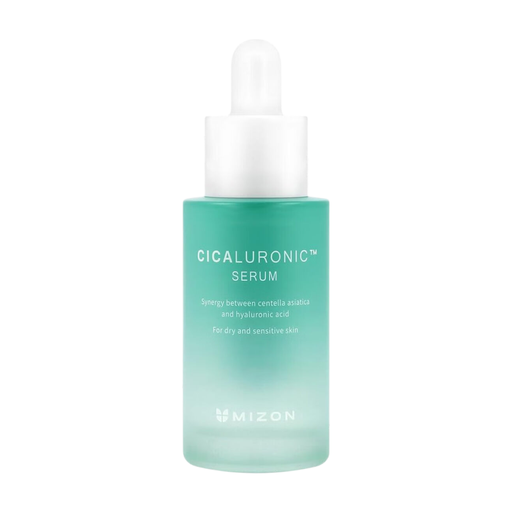
Why this product is a great fit: Ideal for those looking for a straightforward yet effective serum. It focuses on the foundations of skincare: hydration and soothing. As a Korean skincare product, it's designed for gentle yet effective performance.
It doesn't rely solely on hyaluronic acid but combines it with Centella Asiatica (Cica). This combination simultaneously addresses dehydration and potential skin irritation—a common issue for beginners.
Formula with 93% natural ingredients; absorbs quickly and is suitable for sensitive skin.
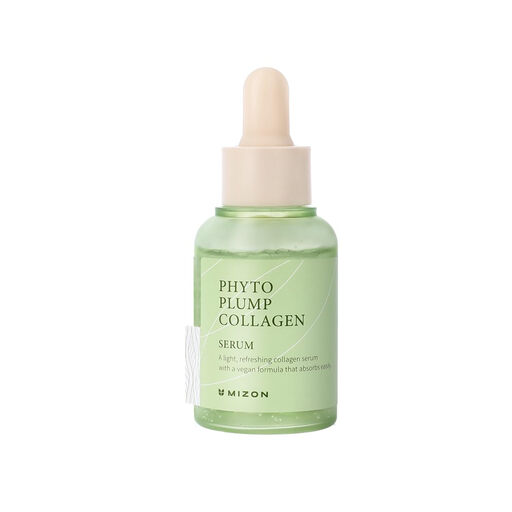
Why this product is a great fit: This serum is aimed at users who want to specifically improve skin firmness and reduce fine lines. The formulation is designed for visible anti-aging results.
Instead of just promoting one active ingredient, this anti-aging serum uses a complex of vegan collagen, adenosine, and brown algae. This demonstrates a sophisticated formulation that addresses multiple aspects of skin aging.
Hypoallergenic formula without silicones and alcohol; targets wrinkle reduction and strengthens the skin barrier.
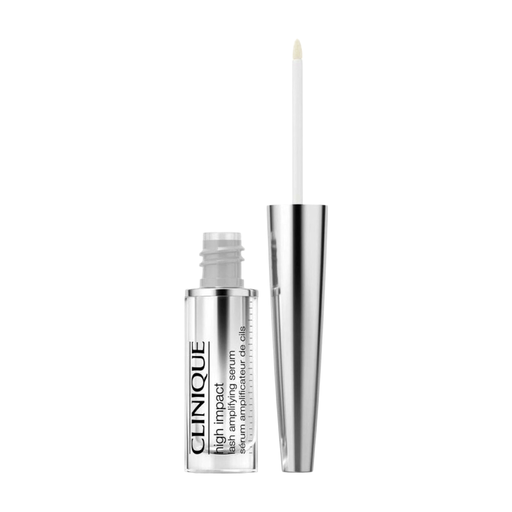
Why this product is a great fit: This product is for users seeking a targeted solution for a specific area—in this case, lash care. It is a prime example of a highly specialised serum.
It avoids the "one-serum-for-all" trap by being clearly positioned as an eyelash serum. The formulation and applicator are precisely tailored for application on the delicate lash line.
Ophthalmologist-tested, 100% fragrance-free, and suitable for sensitive eyes and contact lens wearers.
1. How do I correctly integrate a face serum into my skincare routine? A serum is typically applied after cleansing and toning, onto slightly damp skin. The order is: Cleanser -> Toner (optional) -> Face Serum -> Moisturiser -> Sunscreen (in the morning). Allow the serum about a minute to fully absorb before applying the next step.
2. Can I use multiple serums at the same time? Yes, "layering" is possible, but it should be done thoughtfully. Start with the serum that has the lightest, most watery consistency and work your way up to richer formulations. However, avoid combining too many potent active ingredients (like retinol, vitamin C, and strong acids) in a single routine, as this can lead to skin irritation. A common method is to use certain serums in the morning (e.g., Vitamin C) and others in the evening (e.g., retinol or glycolic acid).
3. How do I know if a serum isn't right for my skin? Signs of an adverse reaction can include redness, itching, burning, tightness, or the appearance of new blemishes. If you experience such reactions, stop using the product immediately. When trying new products, especially those with high concentrations of active ingredients, always perform a patch test by applying a small amount to an inconspicuous area (like behind your ear or on your forearm) and waiting 24 hours.