
Lieferung heute & morgen

Qualitätsgarantie

Willkommens-Angebote freischalten: KOSTENLOSE Lieferung | Bis zu 80 % RABATT | Kostenlose 30-Tage-JoyPlus-Testphase
App herunterladen
A face serum can be a valuable addition to your skincare routine when the texture, ingredients and your skin’s needs are well matched. However, the choice can be overwhelming: vitamin C serum, hydrating serum, anti-ageing serum or serum for dark spots all differ significantly in formulation and application.
A vitamin C serum with a high level of ascorbic acid can be appealing for uneven skin tone. However, a high concentration is not automatically suitable for every skin type. Sensitive or redness-prone skin can react to concentrated acids, fragrances or essential oils.
What matters is not just the percentage, but the full INCI list. You should also consider humectants such as glycerin or hyaluronic acid, soothing ingredients like panthenol, and the amount of fragrance included.
A serum for dark spots or a brightening face serum can complement your routine if you have an uneven complexion. However, cosmetic products do not change the need for daily UV protection. Especially when using vitamin C, glycolic acid or retinol, a sunscreen should be part of your daytime routine.
Also, check whether a brand advertises visible improvements with specific timeframes. Such claims depend on the particular product formulation and cannot be universally applied to every skin type.
Retinol serum, vitamin C serum, acids and azelaic acid serum can each target different skincare goals. However, if you introduce several active products at the same time, it becomes difficult to identify the cause of any reaction.
It is more practical to introduce one product at a time and observe how your skin responds. For sensitive skin, a patch test on a small area is recommended. If redness, stinging or itching persists, stop using the product and seek dermatological advice if necessary.
Choose the main active ingredient based on your specific skincare goal:
Light, air and heat can affect certain ingredients. For a product containing ascorbic acid, the bottle should be tightly closed after use and kept away from direct sunlight. An activation mechanism or a limited period of use after opening can also be a relevant buying consideration.
Before purchasing, check the best-before date, batch number and PAO symbol on the packaging. Details in the online offer may change; the labelling on the delivered product is definitive.
A watery texture often works well when combined with a moisturiser. Silicone-based or richer formulations may behave differently under make-up. If you are sensitive to fragrance, look out for the INCI term “Parfum” as well as any declarable fragrance ingredients.
Most serums are applied after cleansing and before moisturiser. However, the specific dosage and frequency of use should always follow the product instructions.
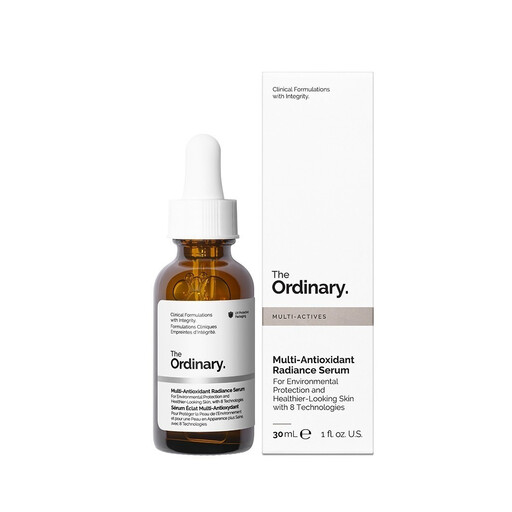
Why this product suits the profile: The fragrance-free and vegan formulation contains multiple antioxidant technologies and is designed for daily morning and evening use.
The product description provides specific usage instructions and highlights the combinations to avoid in the same routine.
30 ml content, fragrance-free formulation and multiple antioxidant ingredients.
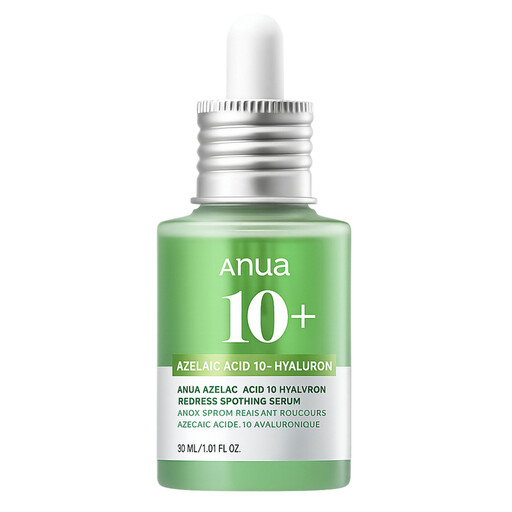
Why this product suits the profile: The watery texture with 10% azelaic acid, hyaluronic acid and panthenol is designed for gradual introduction into a routine for sensitive or blemish-prone skin.
The instructions recommend starting with one to two applications per week and gradually increasing the frequency.
10% azelaic acid, hyaluronic acid, panthenol and cica ingredients; 30 ml content.
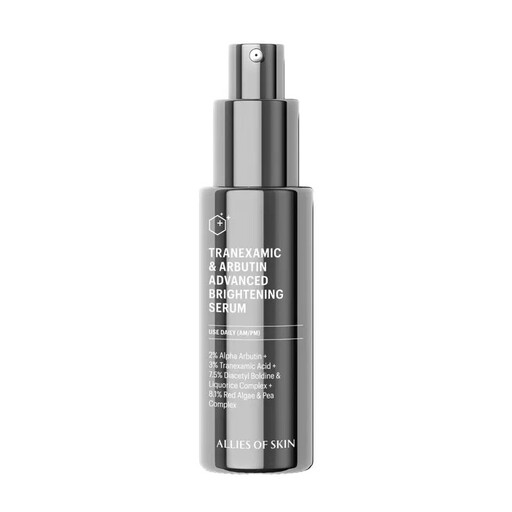
Why this product suits the profile: The formulation combines 3% tranexamic acid and 2% alpha-arbutin, making it specifically targeted at uneven skin tone.
The active ingredient amounts and usage instructions are clearly stated. The texture is described as liquid and fast-absorbing.
Tranexamic acid, alpha-arbutin, liquorice root complex and 30 ml content.
We have put together a full, regularly updated list of products that fully meet these strict selection criteria and the safety regulations in force in the EU.
This depends on the active ingredient and your individual tolerance. A hydrating serum is often used both morning and evening. With retinol, azelaic acid or highly concentrated ascorbic acid, a slow start can be sensible. Always follow the instructions for the specific product.
Refer to the PAO symbol, the best-before date and the storage instructions. Products with sensitive active ingredients should be kept tightly closed, cool and protected from light. If you notice any visible changes, stop using the product.
Combining them is not ruled out, but it can make your routine more complex and potentially more irritating. Introduce active ingredients one at a time and use them on different days initially. For sensitive skin, a simplified routine is often easier to assess.