
Lieferung heute & morgen

Qualitätsgarantie

Willkommens-Angebote freischalten: KOSTENLOSE Lieferung | Bis zu 80 % RABATT | Kostenlose 30-Tage-JoyPlus-Testphase
App herunterladen
As your Joybuy Product Recommendation Officer, I see every day how overwhelming the skincare market can be. Especially when it comes to face serums, countless products promise rapid results, but not every formula delivers on its promise. An unsuitable serum is, at best, ineffective; at worst, it can irritate your skin. The goal of this guide is to provide you with objective criteria to make an informed decision and find a product that truly suits your skin's needs.
Before we dive into the key selection criteria, let's highlight three common marketing traps that often lead to regrettable purchases.
To find the right product, focus on these three objective factors. They will help you evaluate the effectiveness and suitability of a serum for your skin.
A serum's effectiveness critically depends on the type of active ingredient, its concentration, and the formulation's pH level.
The base of a serum determines how it feels on the skin and how the active ingredients are transported.
The most effective serum is one that is perfectly tailored to your skin's needs.
Instead of making a one-size-fits-all recommendation, we have selected products for specific user profiles.
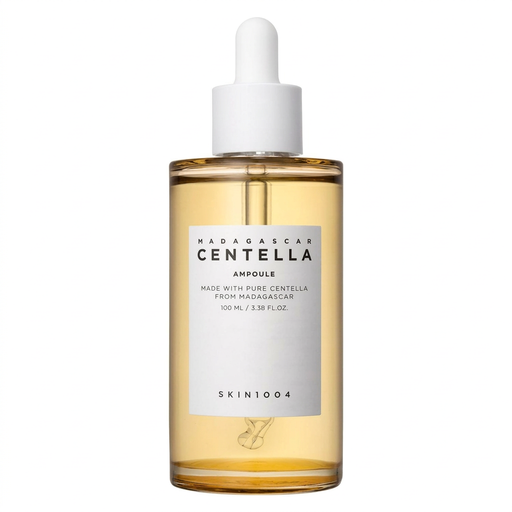
Why This Fits Their Persona: Ideal for anyone looking to start or supplement their skincare routine with a straightforward, calming product. The minimalist formula is perfectly suited for sensitive skin prone to redness and irritation.
It forgoes a cocktail of trendy ingredients, focusing solely on Centella Asiatica extract. This minimises the risk of reactions and bypasses the trap of overloaded formulas.
According to the manufacturer, it contains 100% Centella Asiatica extract to soothe and hydrate. The lightweight, watery texture absorbs quickly and a little goes a long way.
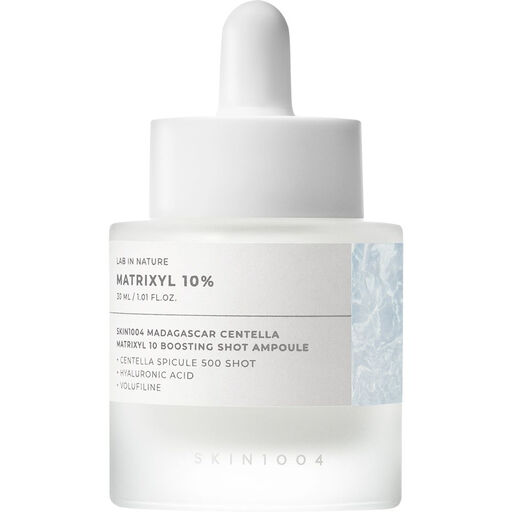
Why This Fits Their Persona: Suitable for users who want to specifically support skin firmness and elasticity. This serum concentrates on a specific peptide complex, which is an established active ingredient in the anti-ageing category.
Instead of vague 'anti-wrinkle' promises, this product relies on a well-known active complex (Matrixyl 3000) at a clear concentration. It avoids the hype around 'miracle ingredients' and focuses on an ingredient with a documented function.
According to the manufacturer, it contains 10% Matrixyl 3000 to support skin firmness. The formula is supplemented with Panthenol and Centella Asiatica to provide additional skin-soothing benefits.
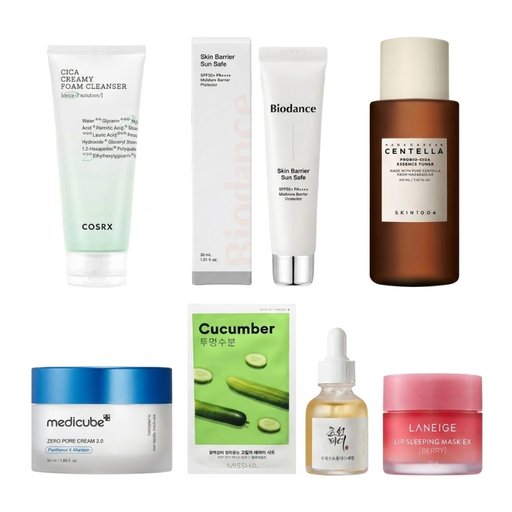
Why This Fits Their Persona: Perfect for anyone looking for a complete, coordinated routine or wanting to discover the world of Korean skincare. This skincare set covers every step, from cleansing to lip care.
It solves the problem of buying individual products that may not work well together. The set offers a curated selection of products from well-known brands, designed for a comprehensive skincare routine.
Offers a complete skincare routine with products from brands like, Beauty of Joseon, and SKIN1004. It includes the popular Glow Serum with Propolis and Niacinamide, among others.
We have compiled a complete, up-to-date list of products that fully meet these strict selection criteria.
1. How often should you use a face serum? Most serums are designed for daily use, once or twice a day (morning and evening). A serum is always applied after cleansing and before moisturiser. For highly concentrated actives like retinoids or strong acids, you should start with an application every two to three days to allow your skin to acclimate.
2. Can you use multiple serums at the same time? Yes, "layering" is possible. The rule of thumb is: from the thinnest to the thickest consistency. Apply water-based serums first, followed by richer emulsions or oils. Give each serum a minute to absorb before applying the next. However, be careful not to combine active ingredients that could cancel each other out or irritate the skin (e.g., high-concentration Vitamin C and copper peptides in the same routine).
3. How do I know if a serum isn't right for my skin? Signs of an adverse reaction include immediate or delayed responses such as redness, itching, a burning sensation, unexpected breakouts, or extreme dryness. If these symptoms occur, stop using the product. Give your skin time to calm down before trying a new product. A patch test on your inner arm before the first facial application can help prevent severe reactions.