
Lieferung heute & morgen

Qualitätsgarantie

Willkommens-Angebote freischalten: KOSTENLOSE Lieferung | Bis zu 80 % RABATT | Kostenlose 30-Tage-JoyPlus-Testphase
App herunterladen
A face serum can be a targeted addition to your skincare routine when the texture, ingredients and your skin’s needs all align. The options range from a lightweight hyaluronic acid serum to a Korean face serum, through to formulations with vitamin C, niacinamide or retinol. It’s precisely this variety that can make choosing one feel overwhelming.
Percentage claims on the front of a bottle look convincing, but on their own they tell you little about the overall formulation. What really matters is which ingredient is present in what concentration, combination and product base. A hydrating serum with glycerin and hyaluronic acid, for example, serves a different skincare purpose than a vitamin C serum or a niacinamide serum.
This claim can describe a broad target audience, but it doesn’t automatically account for individual sensitivities. Fragrance, alcohol, essential oils or certain plant extracts may be relevant for some people. If you have sensitive skin, it’s wise to check the full ingredients list and first do a patch test on a small area of skin.
Many products are lightly formulated and deliver hydration, but they still need a moisturiser afterwards to complete the skincare on your skin. In the morning, sunscreen should also be part of your routine, especially if you’re using active ingredients like vitamin C or retinoids. A serum for dark spots cannot replace sun protection.
Watery serums usually absorb quickly and sit well under a day cream or make-up. Richer textures can feel more comfortable for dry skin, while those with oily or combination skin often prefer lighter formulations. Dosage should follow the product instructions. Using more product doesn’t automatically give better skincare results.
Check the best-before date, batch number and period-after-opening symbol on the packaging. For light-sensitive ingredients such as retinol, retinal or certain forms of vitamin C, storage in a cool, dark place is advisable. The current INCI list on the product itself is definitive, as formulations can change between batches.
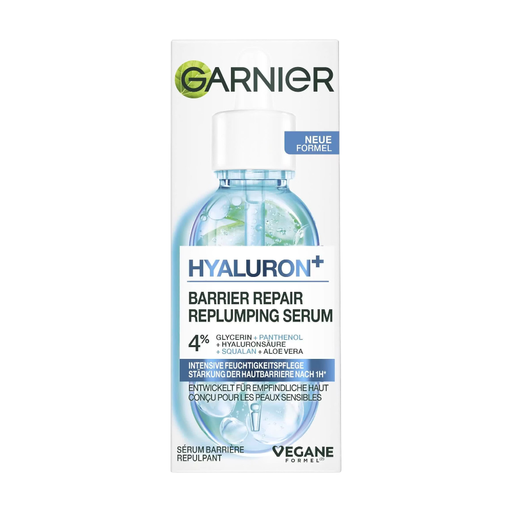
Why this product suits the profile: The combination of glycerin, aloe vera leaf juice powder and sodium hyaluronate is designed for straightforward hydration. The 30 ml size is ideal for introducing a serum into your daily routine.
The ingredients list makes the hydration profile clear. The included fragrance should be considered before purchase if you have sensitive skin.
Light serum texture, aloe vera and hyaluronic acid; suitable for morning and evening use.
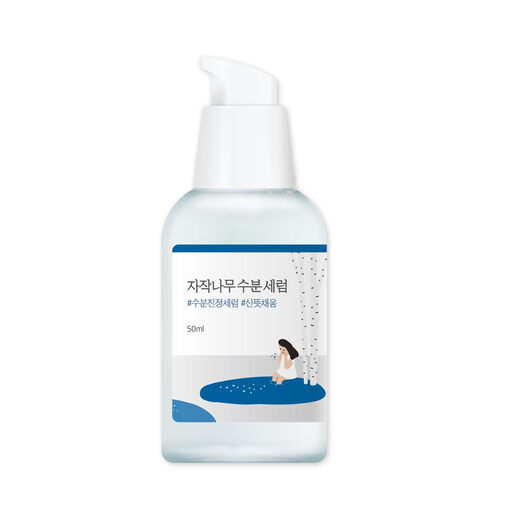
Why this product suits the profile: This Korean face serum combines birch sap, glycerin and several forms of hyaluronic acid. The liquid, non-sticky texture is designed for a daily hydration routine.
Instead of isolated active ingredient claims, the product description lists several humectants and the intended use with a follow-up moisturiser.
50 ml content, multiple forms of hyaluronic acid, beta-glucan and vegan product labelling according to product information.
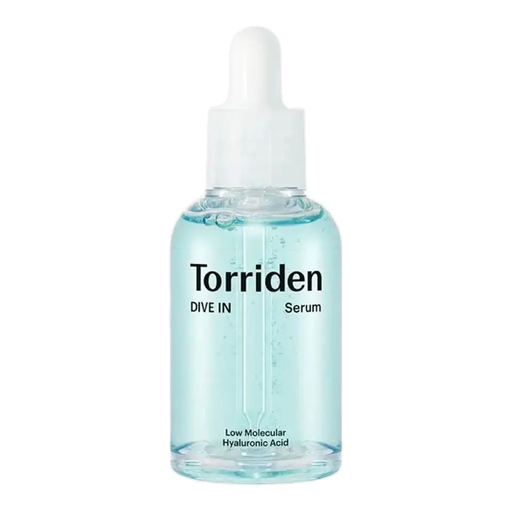
Why this product suits the profile: According to the product information, this hyaluronic acid serum contains five forms of hyaluronic acid as well as panthenol, ceramide NP and beta-glucan. It is therefore designed for a comprehensive hydration routine.
Alongside humectants, the formulation also indicates it is fragrance-free. This reduces a frequently overlooked selection factor, but does not replace an individual patch test.
50 ml, vegan and fragrance-free product claims, plus multiple hydration and barrier-supporting ingredients.
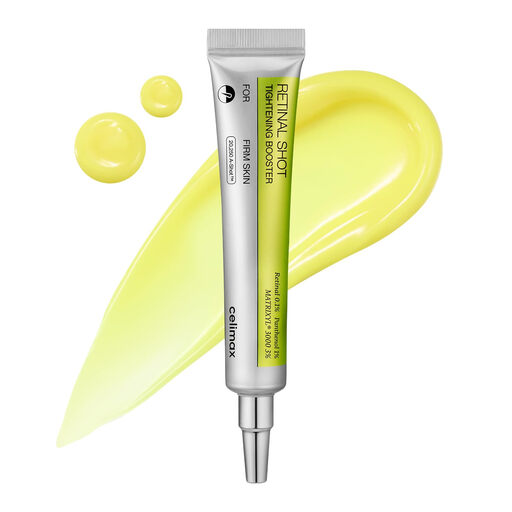
Why this product suits the profile: According to the listed INCI, this product contains 0.1% retinal and is intended for evening use. The small size is ideal for gradually introducing a retinoid into your routine.
The instructions recommend starting with a small amount and a gradual build-up of tolerance. Retinal should not be used at the same time as strong exfoliants or highly concentrated vitamin C.
0.1% retinal, peptide complex and panthenol according to product information; clear guidance on evening use and storage.
We’ve put together a full, regularly updated list of products that fully meet these strict selection criteria and the safety regulations in force in the EU.
Apply the face serum after cleansing, while your skin is still slightly receptive. Follow with a moisturiser. If you’re using several products, it’s best to introduce them gradually rather than starting a completely new routine all at once.
A vitamin C serum or niacinamide serum can be used in the morning or evening, depending on the product. Retinol and retinal products generally belong in your evening routine. The next morning, a suitable sunscreen should be applied. An eye serum should be used sparingly and kept away from the eye itself.
That depends on the product. Hydrating serums like a hyaluronic acid serum are often used both morning and evening. Products rich in active ingredients, such as those with retinol or retinal, should be used less frequently at first. The instructions on the packaging and your individual skin tolerance are what matter most.
Many cosmetic products state a period-after-opening, for example twelve months. You should also pay attention to the smell, colour, consistency, best-before date and batch information. If there are noticeable changes, the product should not be used any further.
Yes, in principle different serums can be combined, provided their formulations and your skin’s tolerance allow it. A mild hydrating serum can often be layered with others. Retinoids, strong acids and highly concentrated vitamin C products, however, should not be layered in the same routine without prior checking.