
Lieferung heute & morgen

Qualitätsgarantie

Willkommens-Angebote freischalten: KOSTENLOSE Lieferung | Bis zu 80 % RABATT | Kostenlose 30-Tage-JoyPlus-Testphase
App herunterladen
A face serum can be a targeted addition to your skincare routine. What really matters, though, isn’t the eye-catching packaging or a long list of active ingredients – it’s the combination of your skin’s needs, the formulation, the concentration and how you use it. If you’re looking for an anti-wrinkle serum, a hydrating serum or a serum for dark spots, it’s worth steering clear of a few common buying mistakes.
Retinal, retinol, vitamin C, niacinamide, hyaluronic acid, peptides or azelaic acid are often prominently advertised. But a single active ingredient doesn’t tell you much about how well it will work in your daily routine. Concentration, pH level, packaging and other ingredients all affect how a product fits into your regimen.
A retinal serum, for example, may require a different adjustment period than a retinol serum. A vitamin C serum isn’t automatically suitable for every sensitive skin type. Even a Korean face serum can contain active ingredients that make gradual application a sensible approach.
Dry skin often benefits from moisture-binding ingredients like glycerin or hyaluronic acid. For blemish-prone skin, a lightweight texture and a limited number of rich components can be more practical. If you have sensitive skin, you should be particularly careful about fragrances and a high number of active ingredients.
A “non-comedogenic” or “dermatologically tested” label describes a product property, but it doesn’t replace an individual tolerance test. If you have a known allergy or irritated skin, checking the current INCI list is essential.
Using several active serums in one application doesn’t automatically increase the benefits. Retinoids like retinal or retinol in particular shouldn’t be combined thoughtlessly with high-strength vitamin C, salicylic acid, AHA or other exfoliants. A patch test on a small area of skin can be useful before your first application.
If you experience persistent redness, burning, itching or peeling, stop using the product. For pregnant women, those planning a pregnancy and breastfeeding mothers, special caution applies to retinoid-containing products; always follow the information on the packaging.
First, match your desired result to an active ingredient category:
A higher percentage isn’t automatically the better choice. This is especially true for retinal, retinol, azelaic acid and acids. A retinoid should usually be used in the evening and at a low frequency to begin with. As your skin’s tolerance improves, you can gradually increase usage.
For example, the celimax THE VITA-A RETINAL SHOT TIGHTENING BOOSTER contains 0.1% encapsulated retinal according to the product description. It’s designed for gradual adjustment, starting with a small amount and local application. The product is intended for night-time use; you should apply sunscreen the following morning.
Light- and air-sensitive ingredients need protective packaging and careful storage. Close the bottle after each use and check the expiry date and batch number on the packaging. With ampoules, safe handling is also important.
The order is usually straightforward: cleanse, optional toner, face serum, then moisturiser. In the morning, follow with sunscreen. A separate eye serum can be useful for the eye area, as these products are designed for that delicate zone. Don’t automatically apply your face serum right up to the lash line.
The following selection groups products according to their stated active ingredients, textures and usage instructions for different buyer profiles. Information may change due to formula updates; always refer to the INCI list on the packaging you receive.
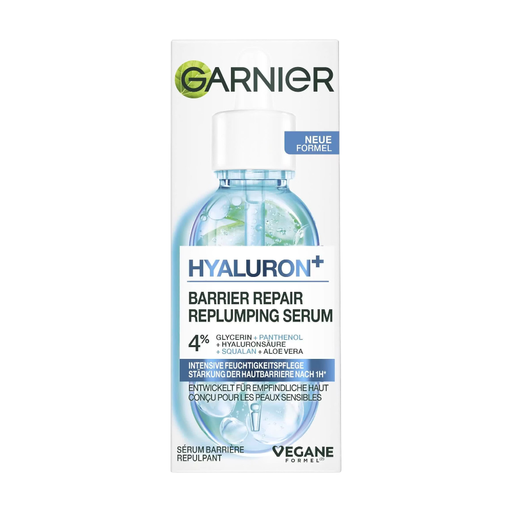
Why this product fits the profile: The formulation with glycerin, aloe vera ingredients and sodium hyaluronate is designed for a simple hydration routine. The 30 ml size is ideal for getting to know a hydrating serum.
The focus is clearly on hydration rather than a long list of highly active ingredients. This keeps your routine straightforward.
Water-based serum texture, aloe vera powder and sodium hyaluronate according to the INCI list.
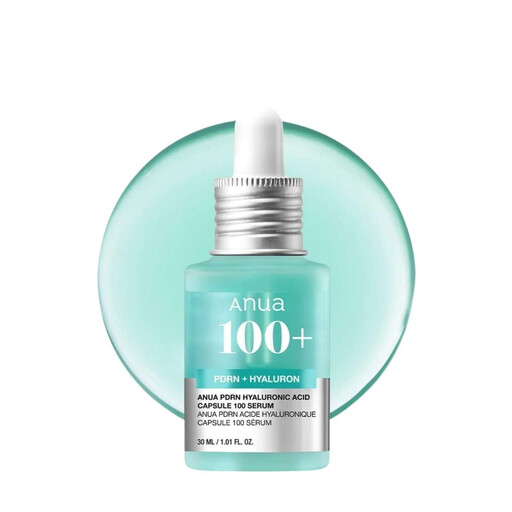
Why this product fits the profile: If you’re after multi-layered hydration with a lightweight texture, this product reportedly contains eleven forms of hyaluronic acid, plus niacinamide and hydrolysed collagen.
The product description names specific ingredient groups and usage instructions, rather than relying solely on a vague glow promise.
Light, watery texture; reportedly free from synthetic fragrances and alcohol.
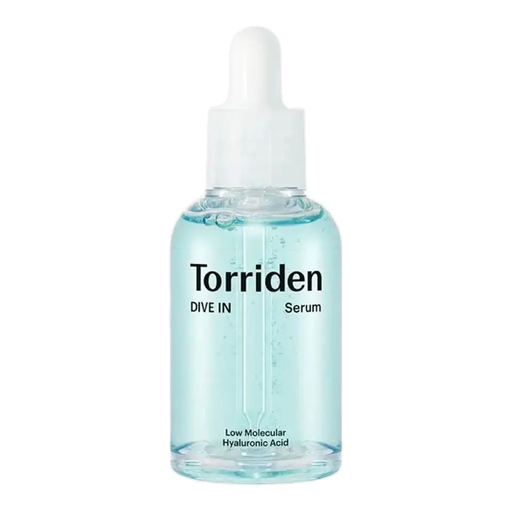
Why this product fits the profile: The 50 ml size and its intended use both morning and evening suit a regular hydration routine. According to the INCI list, it contains five hyaluronic acid variants, plus panthenol and ceramide NP.
The product details include volume, texture, fragrance-free status and specific ingredients. This makes it easier to match the product to your personal skincare habits.
50 ml content, vegan and fragrance-free labelling according to product information.
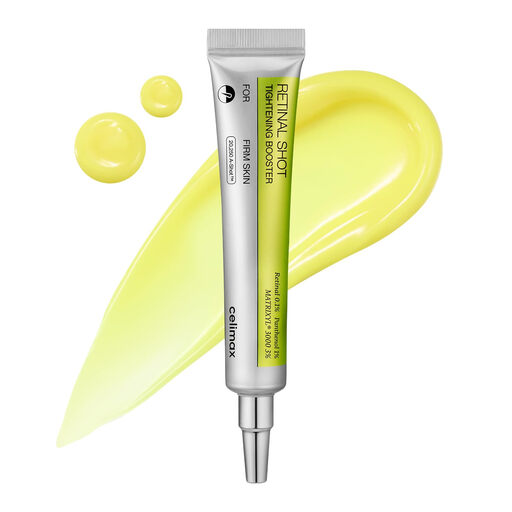
Why this product fits the profile: The booster format is aimed at those who want to introduce retinal into their evening routine in a targeted, localised way. According to the product description, it contains 0.1% retinal, 3% Matrixyl 3000 and 1% panthenol.
The dosage recommendation – a very small amount with gradual increase – reduces the risk of rushing into use. Light sensitivity is explicitly stated.
Specific retinal concentration and intended night-time use according to the product description.
We’ve put together a full, regularly updated list of products that meet these strict selection criteria and comply with EU safety regulations.
After cleansing, apply a small amount to your face and, if the product is suitable, to your neck as well. Then follow with a moisturiser. In the morning, you should also use sunscreen. With retinal, retinol or azelaic acid, a gradual adjustment period is advisable.
This depends on the product, packaging and the period-after-opening symbol. The expiry date and batch number are on the packaging. Light-sensitive formulations should be stored in a cool, dry place away from direct sunlight. Changes in smell, colour or consistency are a reason to stop using the product.
Hydrating ingredients like hyaluronic acid can often be added without issue. With retinol, retinal, vitamin C, azelaic acid and exfoliants, you should plan the combination carefully. A simple routine that introduces one new active product at a time makes it easier to assess your skin’s tolerance.