
Lieferung heute & morgen

Qualitätsgarantie

Willkommens-Angebote freischalten: KOSTENLOSE Lieferung | Bis zu 80 % RABATT | Kostenlose 30-Tage-JoyPlus-Testphase
App herunterladen
A face serum can be a targeted addition to your skincare routine, but it won’t necessarily suit every skin type. It’s easy to be tempted by products with claims such as “glow”, “anti-ageing” or “refined pores” prominently displayed on the packaging. What really matters, though, is the ingredients, concentration, directions for use and how well your skin tolerates it.
That’s why the Joybuy Product Recommendation Officer’s selection focuses on clear product information rather than sweeping marketing claims.
“Hylauronic acid serum”, “vitamin C serum” or “retinol serum” tells you what the product focuses on, but little else. The specific form and concentration of the ingredient, and where it appears in the INCI list, all affect how the product should be assessed. Other ingredients, such as fragrance, essential oils or acids, may also be relevant if you have sensitive skin.
A hydrating serum with glycerin, panthenol or hyaluronic acid has a different purpose from a brightening serum with alpha-arbutin or vitamin C derivatives. If you buy based on a headline ingredient alone, you could overlook the rest of the formula.
This claim isn’t a guarantee that a product will work for everyone. If you have sensitive skin, check for fragrance, essential oils, retinoids, exfoliating acids and particles that work by physically exfoliating the skin. A patch test on a small area of skin may be a good idea before regular use.
Stop using the product if you experience redness, stinging, swelling or persistent irritation. A face serum is a cosmetic product and isn’t a substitute for advice from a dermatologist.
A retinol serum containing 0.1%, 0.3% or 0.6% isn’t necessarily aimed at the same users. If you’re new to retinol, a lower concentration and gradual introduction may be easier to manage. Retinol is usually used in the evening; during the day, your routine should include a suitable sunscreen.
Products containing PHA, AHA or BHA should also not be combined casually with other active products. Using several potent serums at once won’t automatically give you better results.
First, match the result you’re looking for to a skincare goal:
The INCI list on the packaging is the key reference, as formulas can change.
A light, watery texture often works well in a multi-step routine or for combination skin. Oil-based or silicone-based textures may feel comfortable on dry skin. Also check whether the directions call for two or three drops, one pump or one ampoule.
Facial ampoules often contain a single dose or a concentrated amount. The instructions may recommend using one immediately after opening. This makes them different from a standard 30-ml serum designed to last longer.
Active ingredients that are sensitive to light and air, such as retinol or certain forms of vitamin C, need suitable packaging and storage. Check for:
A Korean face serum may differ from European products in its texture and combination of active ingredients. For your buying decision, however, verifiable product information matters more than where it comes from.
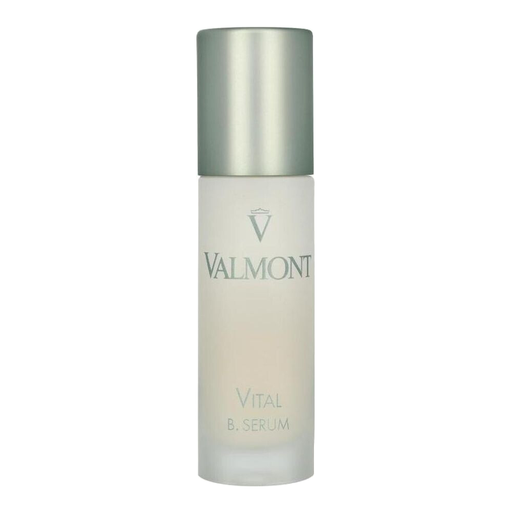
Why this product suits this profile: The formula described combines glycerin, squalane, hyaluronic acid, niacinamide and peptides in a 30-ml bottle. That makes it an interesting option if you’re looking for a versatile face serum to start with.
The product description lists several specific ingredients and clear directions to use a few drops, rather than making only a general skincare promise.
30 ml capacity, a lightweight serum texture and directions to use it in the morning and/or evening.
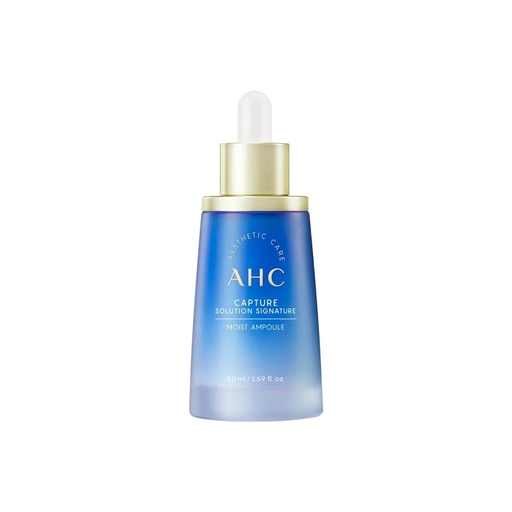
Why this product suits this profile: The INCI information lists niacinamide, panthenol, squalane, several forms of hyaluronic acid and fermented ingredients, among others. The 50-ml ampoule is aimed at users focused on hydration.
The detailed ingredients list makes fragrances such as parfum, limonene and linalool easy to spot. If you have sensitive skin, you can take these into account before buying.
50 ml capacity, several humectants and a recommendation to patch test before use.
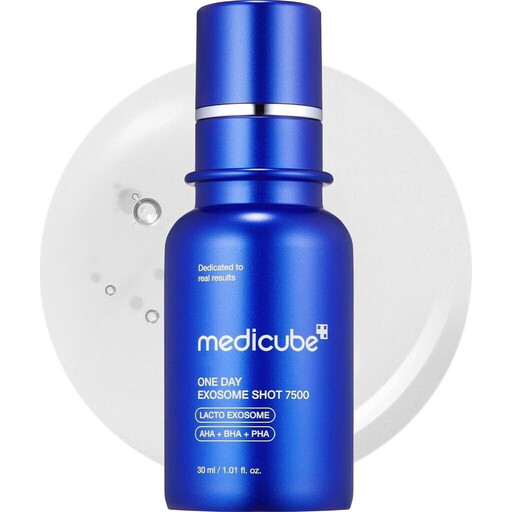
Why this product suits this profile: The serum combines niacinamide, panthenol and ingredients associated with AHA, BHA and PHA. According to the product information, it should be used every three days, making it a good fit for a structured active-ingredient routine.
The limited frequency of use and recommendation to patch test make it clear that this product shouldn’t be treated like a basic hydrating serum.
30 ml capacity, clearly explained intervals and instructions to avoid the eye and lip areas.
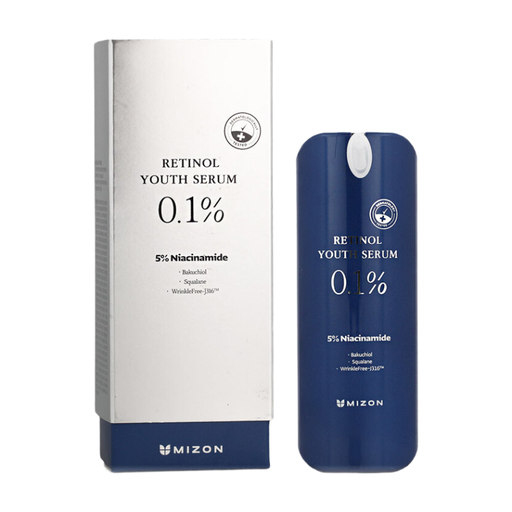
Why this product suits this profile: The product states its retinol concentration clearly at 0.1% and recommends introducing it gradually into your evening routine. This gives retinol newcomers some of the key information they need.
The concentration is clearly stated. The product information also covers evening use, sun protection and combinations to avoid.
0.1% pure retinol according to the product information, 28 g capacity and advice on gradually increasing use.
We’ve put together a complete, regularly updated list of products that meet these strict selection criteria and fully comply with the safety regulations in force in the EU.
If you have sensitive skin or are new to these ingredients, don’t combine vitamin C serum and retinol in the same routine without checking first. Follow the specific manufacturer’s instructions for a bakuchiol serum, too. Peptide or collagen serums are usually easier to add to an existing routine, but how well your skin tolerates them is still what matters most.
It depends on the active ingredient. A basic hydrating serum is often used morning and evening, while retinol, AHA, BHA or PHA products may be intended for use only on certain evenings. Always follow the directions on the packaging.
Check the PAO symbol, expiry date and storage instructions. Formulas that are sensitive to light or air should be kept closed, in a cool place and away from direct sunlight. If the smell, colour or consistency changes noticeably, stop using the product.
A serum for sensitive skin should have a relatively simple formula and avoid unnecessary potential irritants. Check the INCI list for fragrance, essential oils, retinoids and acids. Patch testing and introducing the product gradually are sensible precautions; if symptoms persist, seek advice from a dermatologist.