
Lieferung heute & morgen

Qualitätsgarantie

Willkommens-Angebote freischalten: KOSTENLOSE Lieferung | Bis zu 80 % RABATT | Kostenlose 30-Tage-JoyPlus-Testphase
App herunterladen
A face serum can be a targeted addition to your skincare routine when its texture and active ingredients suit your skin’s needs. But eye-catching terms such as “glow”, “pore refining” or “anti-ageing” don’t automatically mean a product is right for you. What matters is the full INCI list, the directions for use and how well your skin tolerates the formula.
A Korean face serum may be described as hydrating, smoothing the appearance of skin or helping your complexion look more even. These claims don’t guarantee the same results for everyone. For example, you can’t permanently “get rid of” pores with skincare. A serum for enlarged pores may help refine the appearance of your skin’s surface and address excess oil, but it won’t change the physical structure of your pores.
A niacinamide serum, an azelaic acid serum and a retinal product each have different skincare goals. Introducing several active formulas at the same time can leave your skin feeling dry or tight, or cause redness. If you’re new to active ingredients, it’s sensible to start with one product and gradually increase how often you use it.
A 30 ml serum isn’t necessarily less economical than a 50 ml product. Serums with droppers are usually applied a few drops at a time, while a booster may be used more generously. When choosing a product, consider the amount, recommended dose and frequency of use together. The product’s shelf life after opening, as well as its best-before or expiry date, also matters.
The ingredient list on the packaging is the one to go by, as formulas can be updated. If you have known allergies, check for individual plant extracts, essential oils and fragrances. For example, Numbuzin No. 1 Pantothenic B5 Active Soothing Serum lists several fragrance allergens. Torriden DIVE IN Serum, on the other hand, is described as fragrance-free.
Light, watery textures often suit combination or oily skin. Richer formulas may feel more comfortable on dry skin, but that doesn’t mean they’re automatically right for every skin type. A serum is usually applied after cleansing and, if you use one, toner. Follow with a moisturiser. In the morning, use sun protection with an adequate SPF, especially if your routine includes brightening or skin-renewing active ingredients.
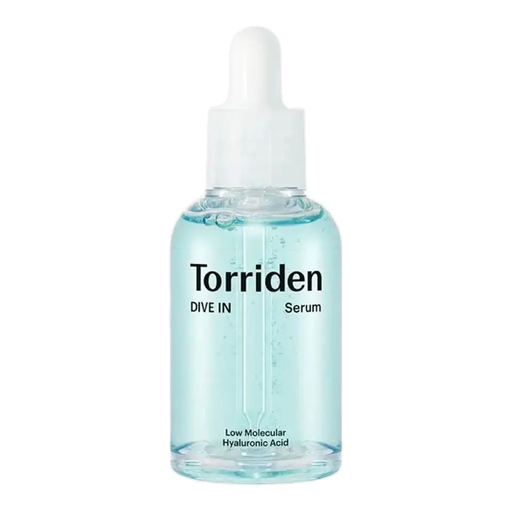
Why it suits this profile: The 50 ml size and hydration-focused formula make it a good choice if you’re looking to build a straightforward daily routine.
The product information lists five forms of hyaluronic acid, as well as panthenol, ceramides and beta-glucan, rather than relying on just one marketing claim.
Described as fragrance-free, vegan and cruelty-free, with a lightweight serum texture and 50 ml contents.
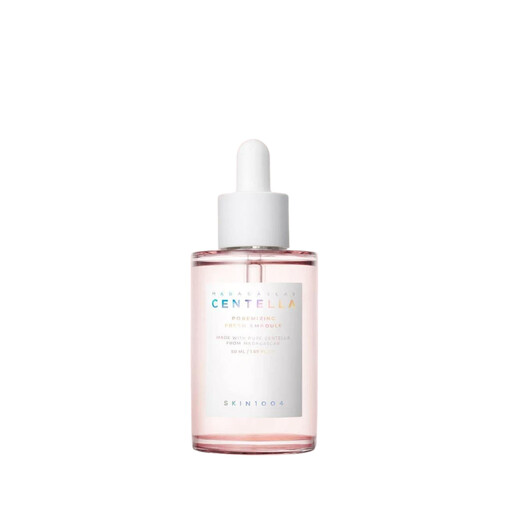
Why it suits this profile: The formula combines Centella asiatica, mineral salts, hyaluronic acid and a peptide complex for targeted care if your skin texture looks uneven.
The advertised benefits can be considered alongside the several ingredient groups listed. The INCI list on the packaging is still the one to rely on.
50 ml contents, a fast-absorbing texture according to the product description, and Centella asiatica as a key ingredient.
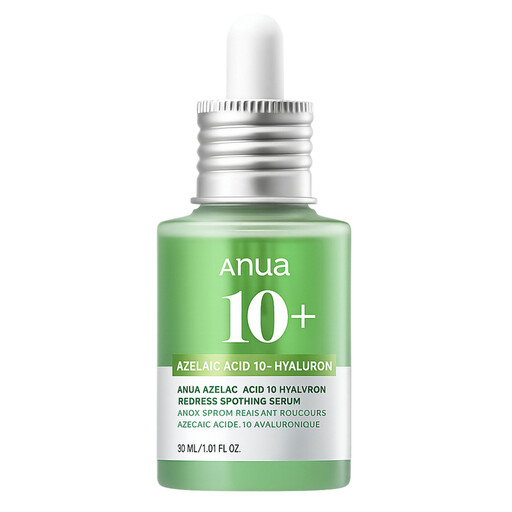
Why it suits this profile: A good option if you’re looking for an azelaic acid serum to introduce gradually, with added hydrating ingredients.
The directions specifically recommend starting slowly, with 1–2 applications a week. This helps reduce the risk of using an active product too often, too soon.
10% azelaic acid, hyaluronic acid, panthenol and several Centella ingredients; 30 ml contents.
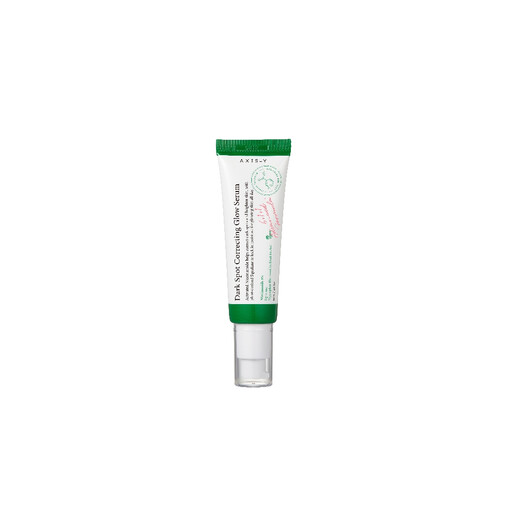
Why it suits this profile: Its lightweight, gel-like texture is a good match if you want to combine niacinamide with hydration in a non-greasy formula.
The product information gives the specific niacinamide concentration of 5%, along with squalane and sodium hyaluronate. This makes it easier to assess the formula.
50 ml contents, 5% niacinamide according to the product information, and a lightweight gel texture.
We’ve put together a complete, regularly updated list of products that meet these strict selection criteria and comply with the safety regulations in force across the EU.
Always follow the information on the current packaging rather than older details found online. This is particularly important for the INCI list, manufacturer’s information, country of origin, shelf life and warnings.
Hydrating serums are often used morning and evening, unless the product description says otherwise. For azelaic acid, retinal or other active formulas, it’s sensible to start slowly with just a few applications a week. Let your skin’s tolerance guide how often you use the product.
The usual order is: cleanser, toner or essence, serum, moisturiser and, in the morning, sun protection. If you use several serums, first check whether the directions say they can be combined. Using fewer products makes it easier to identify the cause if your skin becomes irritated.
This depends on the formula and the information on the packaging. Check the open-jar symbol, expiry date and storage instructions. Many serums should be kept in a cool, dry place away from direct sunlight, and closed securely after each use.