
Lieferung heute & morgen

Qualitätsgarantie

Willkommens-Angebote freischalten: KOSTENLOSE Lieferung | Bis zu 80 % RABATT | Kostenlose 30-Tage-JoyPlus-Testphase
App herunterladen
A face serum can complement your skincare routine in a targeted way when your skin type, active ingredient and application method work well together. The choice ranges from a Korean face serum and a hyaluronic acid serum to a retinal serum. However, this variety often leads to unsuitable purchases: a high percentage tells you little about tolerability on its own, a pleasant skin feel cannot replace a well-formulated product, and a small bottle may run out faster than expected with daily use.
Claims such as “70% extract” or “10% active ingredient” may sound impressive. However, what matters is which substance is included and what function it serves, as well as how the complete INCI list is structured. A niacinamide serum with 5% may be easier for many routines to incorporate than a formula advertised with a considerably higher concentration. With active ingredients such as retinol, retinal, acids or vitamin C, individual tolerability should carry more weight than the percentage.
A hydrating serum may generally be suitable for various skin types. However, fragrances, essential oils, alcohol or a large number of botanical extracts may still be relevant for sensitive skin. Before buying, it is worth checking the complete ingredients list and carrying out a patch test on a small area of skin.
A serum is usually applied after cleansing and before moisturiser. Depending on the recommended amount, just a few drops may be enough; a 15ml booster will therefore not automatically last as long as a 50ml product. Sun protection is also important: with a morning routine containing vitamin C, or when using vitamin A derivatives, suitable daytime sun protection should be included.
Look out for claims such as fragrance-free, vegan or dermatologically tested, if these are important to your choice. Such claims do not replace checking the INCI list. New products should initially be introduced into your routine one at a time. If you experience burning, severe redness, swelling or persistent itching, stop using the product and seek medical advice if necessary.
Light-sensitive active ingredients require well-sealed packaging and storage away from direct sunlight. The best-before date, batch number and, where applicable, the symbol indicating the period after opening shown on the packaging are key. Product information may vary from one batch to another; the labelling on the item actually delivered is binding.
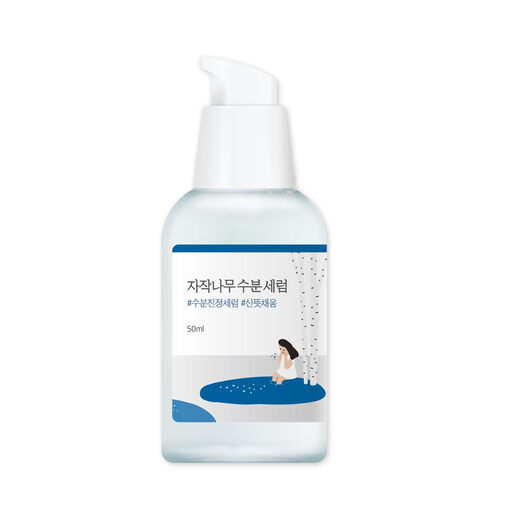
Why this product suits the profile: The 50ml size and lightweight texture are ideal for a straightforward morning and evening routine. Birch water, glycerin and several forms of hyaluronic acid focus on hydration.
The product description clearly lists the ingredients, quantity and application, rather than promoting just one active-ingredient percentage.
50 ml, several forms of hyaluronic acid, beta-glucan and a texture described as non-sticky.
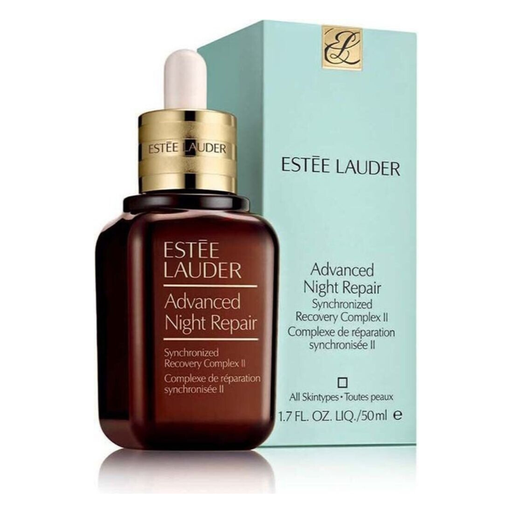
Why this product suits the profile: Among other ingredients, the formula combines glycerin, sodium hyaluronate, squalane, peptides and plant extracts. It is an appealing option for anyone who prefers a comprehensive skincare formula.
The complete ingredients list makes the fragrance, preservatives and other ingredients clear before purchase.
50 ml, an oil-free product description and several hydration-focused ingredients.
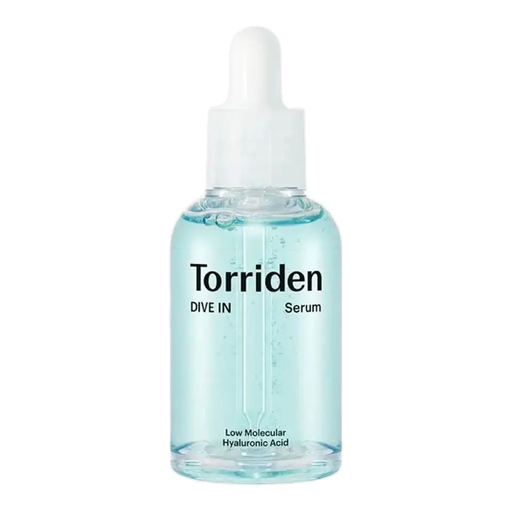
Why this product suits the profile: The fragrance-free, vegan formula with five forms of hyaluronic acid, panthenol, ceramide NP and beta-glucan is suitable for a consistent hydration routine.
The “fragrance-free” claim and detailed INCI list make it easier to check the formula when fragrances need to be avoided.
50 ml, five forms of hyaluronic acid and additional ingredients to care for the skin barrier.
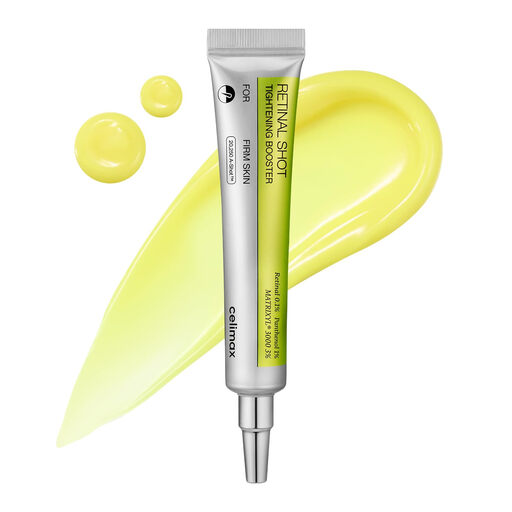
Why this product suits the profile: According to the product description, the booster contains 0.1% retinal as well as peptides and is intended for gradual introduction in the evening. It is aimed at shoppers specifically looking for a retinal serum.
The usage instructions specify a tolerance-building period, night-time application and caution when combining it with strong acids or highly concentrated vitamin C.
0.1% retinal, a peptide complex and a compact 15ml size for a cautious introduction.
We have put together a complete, regularly updated list of products that fully meet these strict selection criteria and the safety regulations applicable in the EU.
When using retinol or retinal, it is advisable to start slowly on individual evenings. During pregnancy, when trying to conceive or while breastfeeding, the use of vitamin A derivatives should be discussed with a medical professional.
Two to four drops are usually enough for the face. The exact amount depends on the texture, product concept and manufacturer’s instructions. Applying more does not automatically produce better skincare results and may feel uncomfortable on the skin.
Refer to the open-jar symbol indicating the period after opening, the best-before date and the batch marking. Light- and air-sensitive formulas should always be kept tightly closed and stored away from direct sunlight.
In principle, combining serums is possible, but it should be done gradually. A hydrating serum containing hyaluronic acid can often be added without complications. With retinol, retinal, acids, azelaic acid or highly concentrated vitamin C, careful planning is advisable to avoid unnecessary irritation.