
Lieferung heute & morgen

Qualitätsgarantie

Willkommens-Angebote freischalten: KOSTENLOSE Lieferung | Bis zu 80 % RABATT | Kostenlose 30-Tage-JoyPlus-Testphase
App herunterladen
A face serum is usually chosen with specific goals in mind: more hydration, a smoother-looking complexion, support for early signs of ageing, or a more enjoyable skincare routine. The options range from a hyaluronic acid serum to a peptide serum and a retinol serum. However, a high price or a flashy ingredient name alone doesn’t tell you much about whether a product will suit your skin.
Terms like “collagen”, “lifting” or “anti-ageing” often describe a product’s positioning, not automatically a proven change in the skin. With a collagen serum, you should therefore check whether collagen actually appears on the INCI list and in what form. Even a serum for wrinkles can usually only influence the appearance of lines, for example through hydration and a smoother protective film.
A serum can be marketed as suitable for all skin types and still contain alcohol, fragrances or essential oils. This isn’t necessarily a problem for dry or sensitive skin, but it should be considered before you buy. A look at the full ingredients list is more reliable than a short marketing claim on the front of the bottle.
Also important are fill volume, dosage, shelf life after opening and packaging. A 15 ml bottle used daily can run out much faster than a 30 ml or 60 ml product. With ampoules, the contents sometimes need to be used immediately after opening. With retinoids, light-protected packaging and gradual application are also relevant.
The ingredients list is given in descending order by quantity, with ingredients in low concentrations appearing at the end. If you’re looking for a serum for dry skin, you’ll often look for glycerin, hyaluronic acid, panthenol, squalane or ceramides. For sensitive skin, fragrances such as limonene, linalool or parfum can be relevant.
The Medicube Triple Collagen Serum 4.0 is described as fragrance-free, yet the provided INCI list contains “Fragrance”. Such discrepancies show why the packaging is crucial before purchase and before use. If the formulation changes, the ingredients list printed on the current packaging should always be considered definitive.
A lightweight serum is normally applied after cleansing and toner, followed by a moisturiser. With a firming face serum or a richer product, a small amount is usually enough. Too many layers don’t automatically increase the benefit and can cause pilling under make-up.
Retinol and retinal should not be combined with strong exfoliants or highly concentrated acids in the same evening routine without careful consideration. A patch test on a small area of skin can help you assess your individual tolerance. If redness, burning or itching persists, stop using the product.
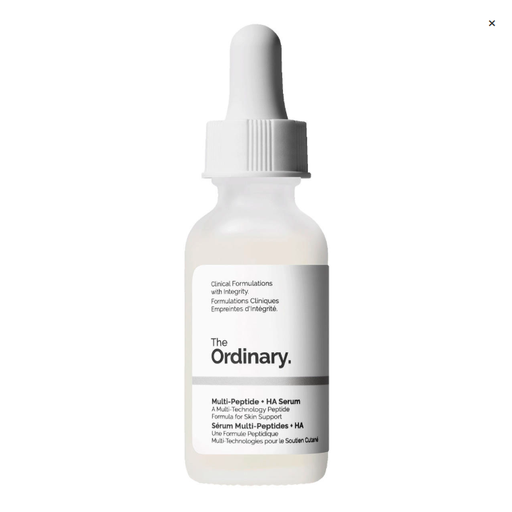
Why this product fits the profile: The 30 ml size and the combination of peptides, amino acids and hyaluronic acid make it a manageable entry point into active-ingredient skincare.
The active ingredient groups are clearly listed on the ingredients list. However, expectations about wrinkle or firming effects should be understood as cosmetic manufacturer claims.
Peptide combination, multiple forms of hyaluronic acid and simple dosing with just a few drops.
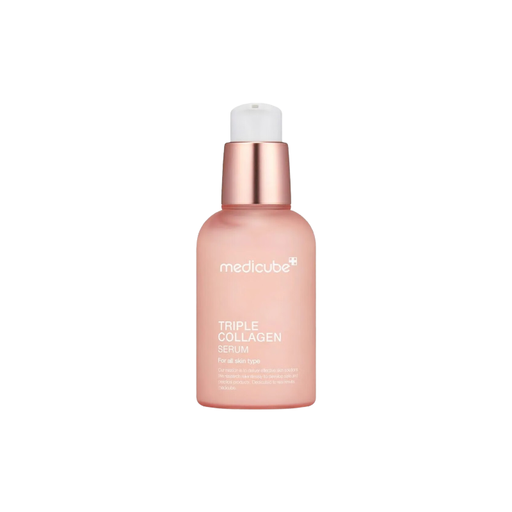
Why this product fits the profile: The 55 ml fill volume and lightweight texture are designed for regular use on the face, neck and décolletage.
The product description mentions three forms of collagen as well as hyaluronic acid. Due to the discrepancy regarding fragrance, you should check the current INCI on the packaging.
Hydrolysed, soluble and atelo collagen according to the product description; plus glycerin and multiple forms of hyaluronic acid on the INCI list.
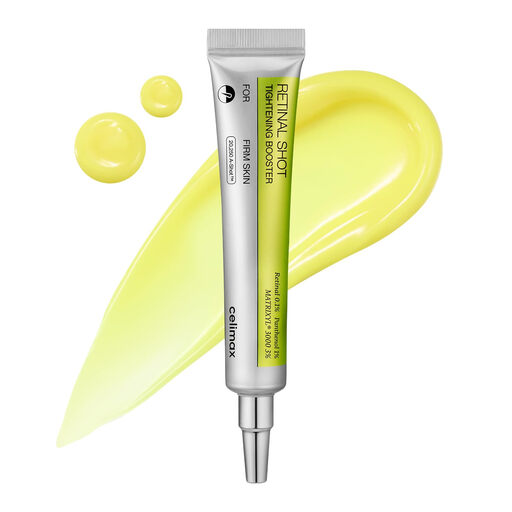
Why this product fits the profile: This concentrated night treatment is aimed at users who want to introduce retinal into their routine in a targeted way, with a gradual build-up of tolerance.
The instructions recommend a small amount, night-time use and a gradual increase in frequency. This reduces the risk of using a strong vitamin A product too often.
According to the product information, it contains 0.1% retinal as well as peptides, niacinamide and panthenol. It is intended for evening use.
We’ve put together a full, regularly updated list of products that fully meet these strict selection criteria and the safety regulations in force in the EU.
After cleansing and, if you use one, toner, a few drops are usually spread over the face and neck. A moisturiser then follows. The exact dosage depends on the product. With retinol or retinal, it makes sense to apply it in the evening and initially at longer intervals.
The best-before date and the shelf life after opening are stated on the packaging. Heat, direct sunlight and frequent exposure to air can affect the product quality. Ampoules should be used immediately or within a short period of time, as per the manufacturer’s instructions.
A hydrating serum with glycerin or hyaluronic acid can often be easily integrated into a routine. More caution is needed with retinol, retinal, acids and highly concentrated vitamin C. New products should be introduced one at a time so that your skin’s reaction can be better identified.