
Lieferung heute & morgen

Qualitätsgarantie

Willkommens-Angebote freischalten: KOSTENLOSE Lieferung | Bis zu 80 % RABATT | Kostenlose 30-Tage-JoyPlus-Testphase
App herunterladen
A face serum can be a targeted addition to your skincare routine. The choice ranges from lightweight hydrating serums and Korean face serums with Centella to formulations containing niacinamide, hyaluronic acid, tranexamic acid, azelaic acid or retinal. However, this very variety can make choosing the right product more difficult.
Three common buying misconceptions particularly often lead to unsuitable purchases:
Your skincare routine should be guided by a specific need:
Read the ingredients list before buying and compare it with products you already know. For a serum for sensitive skin, fragrance-free formulations and a streamlined ingredient list may be worth considering. Plant extracts are not inherently problematic, but they may be relevant if you have an individual sensitivity.
With active formulas, test the product on a small area of skin first. New active ingredients should not be introduced at a high frequency all at once. Azelaic acid and retinal in particular should be introduced gradually, following the manufacturer’s instructions. If you experience burning, persistent redness or itching, stop using the product.
A runny serum can generally be layered easily under a cream. Richer formulations may feel more comfortable on dry skin, but can behave differently under make-up. Also check the fill size: 30 ml is common for products used sparingly, while 50 or 100 ml may offer better value for regular use.
A face serum is usually applied after cleansing and, where applicable, after toner. Cream is then applied. In the morning, a sunscreen with a suitable sun protection factor is part of the routine when using formulas designed to improve an uneven complexion.
The following recommendations are based on the stated ingredients, product features, sizes and usage instructions. Statements about skin effects should be understood as cosmetic product positioning and do not constitute medical claims.
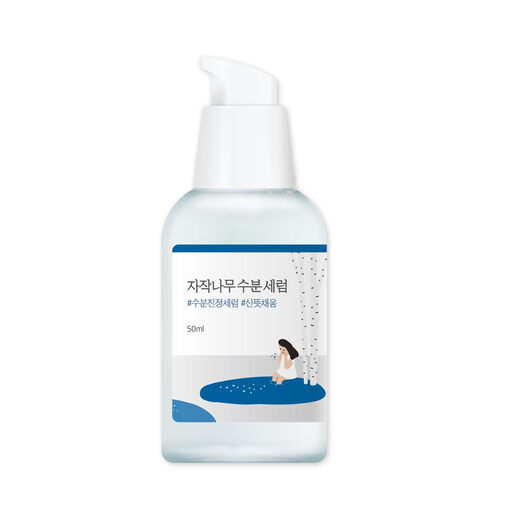
Why this product suits the profile: Its lightweight texture, 50 ml size and combination of birch sap, glycerin and several forms of hyaluronic acid make it suitable for anyone looking for a straightforward daily hydrating serum.
The product description names specific humectants and a non-sticky texture instead of relying solely on a glow promise. Nevertheless, check the current INCI list before buying.
50 ml size; glycerin, beta-glucan and three listed forms of hyaluronic acid; vegan and dermatologically tested according to the product details.
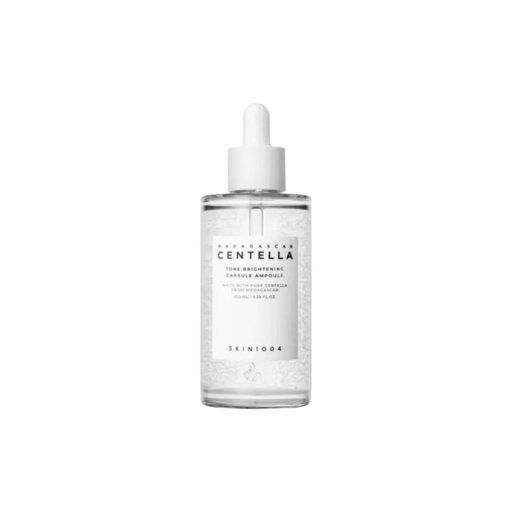
Why this product suits the profile: According to the product details, the formula combines 77 per cent Centella Asiatica extract with 4 per cent niacinamide and tranexamic acid. It is therefore aimed at users who want to combine hydration and a more even-looking complexion in one product.
The active ingredients are clearly named in the description. This makes it easier to compare the formula with your existing routine and prevents the term “brightening” alone from becoming the reason to buy.
100 ml size; Madecassoside microcapsules; niacinamide, tranexamic acid and Centella Asiatica extract in the stated formula.
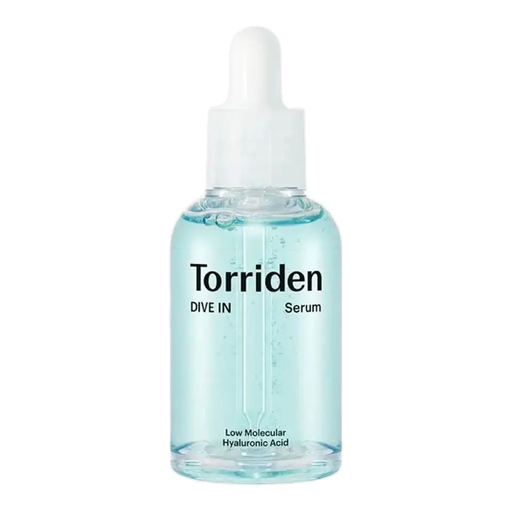
Why this product suits the profile: Anyone wanting to use a vegan, fragrance-free face serum morning and evening gets a formula with five listed forms of hyaluronic acid, panthenol, Ceramide NP and beta-glucan.
The description specifies the texture, fragrance-free formula and individual ingredients. This makes it easier to assess whether the product suits your existing skincare routine and personal preferences.
50 ml size; five forms of hyaluronic acid; vegan and fragrance-free according to the product details, formulated with Ceramide NP.
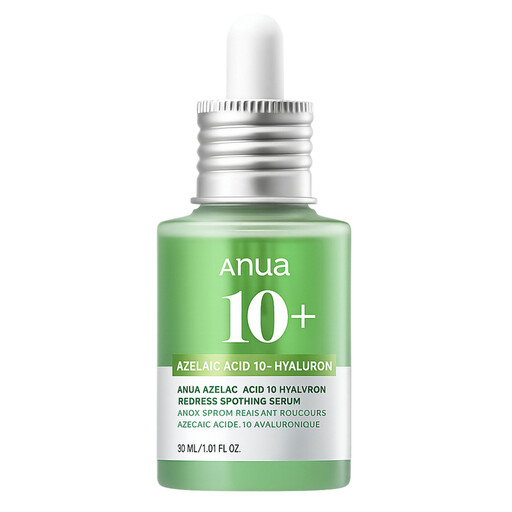
Why this product suits the profile: According to the product details, the formula contains 10 per cent azelaic acid, hyaluronic acid, panthenol and Cica ingredients. It is aimed at people who want to introduce a serum for redness or blemish-prone skin at a low frequency to begin with.
The recommended usage initially calls for application once or twice a week. This gradual approach reduces the risk of using an active ingredient too frequently from the outset.
30 ml size; 10 per cent azelaic acid according to the product details; additionally contains hyaluronic acid, panthenol, beta-glucan and Ceramide NP.
We have put together a complete, regularly updated list of products that fully meet these strict selection criteria and the safety regulations applicable in the EU.
Start with one new face serum so that any possible reactions can be identified more easily. A hydrating serum can often be used morning and evening. For niacinamide, tranexamic acid, azelaic acid or vitamin C derivatives, follow the relevant manufacturer’s instructions.
Retinal is best used in the evening and introduced gradually. Wear sunscreen during the day. Using several strong active ingredients in the same routine does not automatically increase the benefits and can make your skincare unnecessarily complicated.
Also check the best-before date shown on the packaging and the Period After Opening symbol. Keep the product tightly closed, dry and protected from direct sunlight. If your skin is sensitive, damaged or severely irritated, individual advice from a dermatologist may be appropriate.
This depends on the active ingredient. A purely hydrating serum is often used morning and evening. Products rich in active ingredients, such as azelaic acid or retinal, should initially be applied less frequently. The instructions on the packaging and your individual skin tolerance are the key considerations.
Refer to the PAO symbol, the best-before date and the information on the packaging. If the smell, colour, consistency or feel on the skin changes noticeably, stop using the product. Natural or light-sensitive ingredients may undergo slight colour changes; the manufacturer’s guidance is decisive.
In principle, combining serums is possible, but it is not always advisable. A hydrating serum can generally be layered easily with a cream. With retinal, azelaic acid, vitamin C or other active formulas, assess your skin’s tolerance gradually and avoid introducing several new products at the same time.